


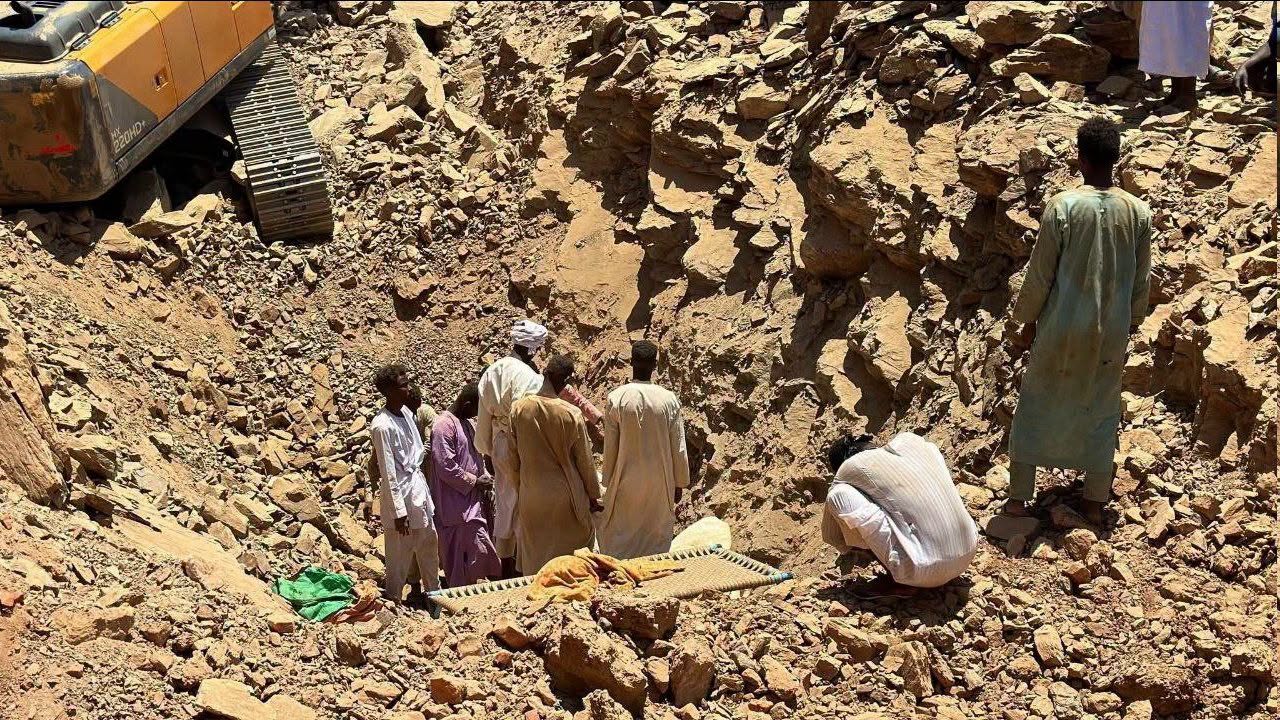
The disaster occurred at the Al-Zaraa mine near the town of El-Nuhud, a site located in territory controlled by the paramilitary Rapid Support Forces. The RSF has been fighting Sudan's regular army since April 2023 and the conflict has devastated the country's economy, driving many unemployed young people into dangerous artisanal gold mining.
Rescue Efforts Hampered by Lack of Equipment
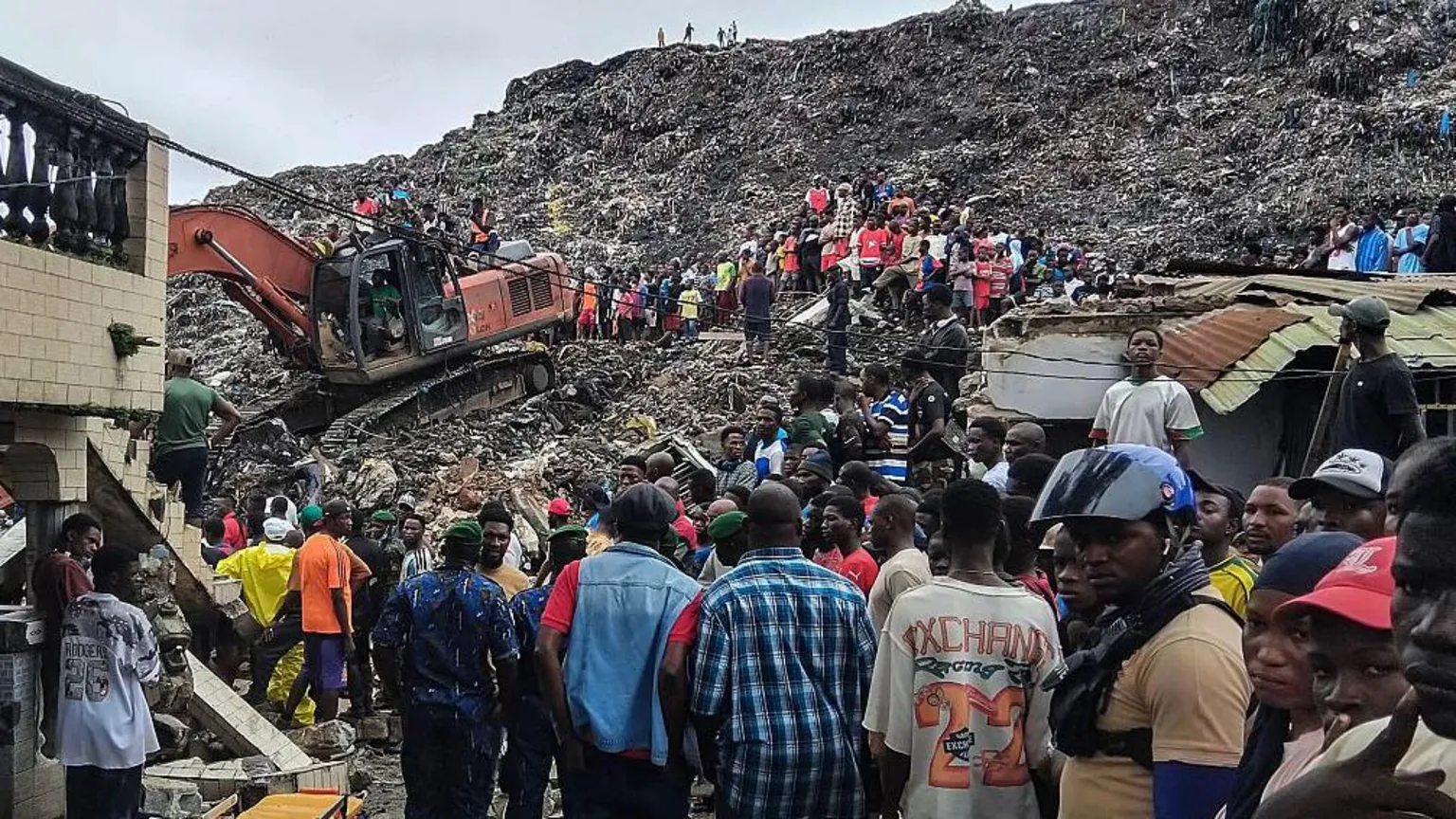
Survivors described a desperate overnight rescue operation using only the rudimentary tools they use for mining. Khair al-Sayyed Jabara, one of the rescued miners who participated in the recovery efforts, told AFP: "We do not know how many more are still inside. Everyone's working very hard to retrieve the bodies or any survivors, but it's difficult. We need heavy machinery to clear the rock and soil."

A local official said only a privately owned forklift was available at the site, while crews lacked machinery to move soil and stones from shafts more than 30 metres deep. "There is an unknown number of people still trapped under the rubble and rescue efforts are being conducted with rudimentary methods," the official told AFP, requesting anonymity because he was not authorised to brief the media.
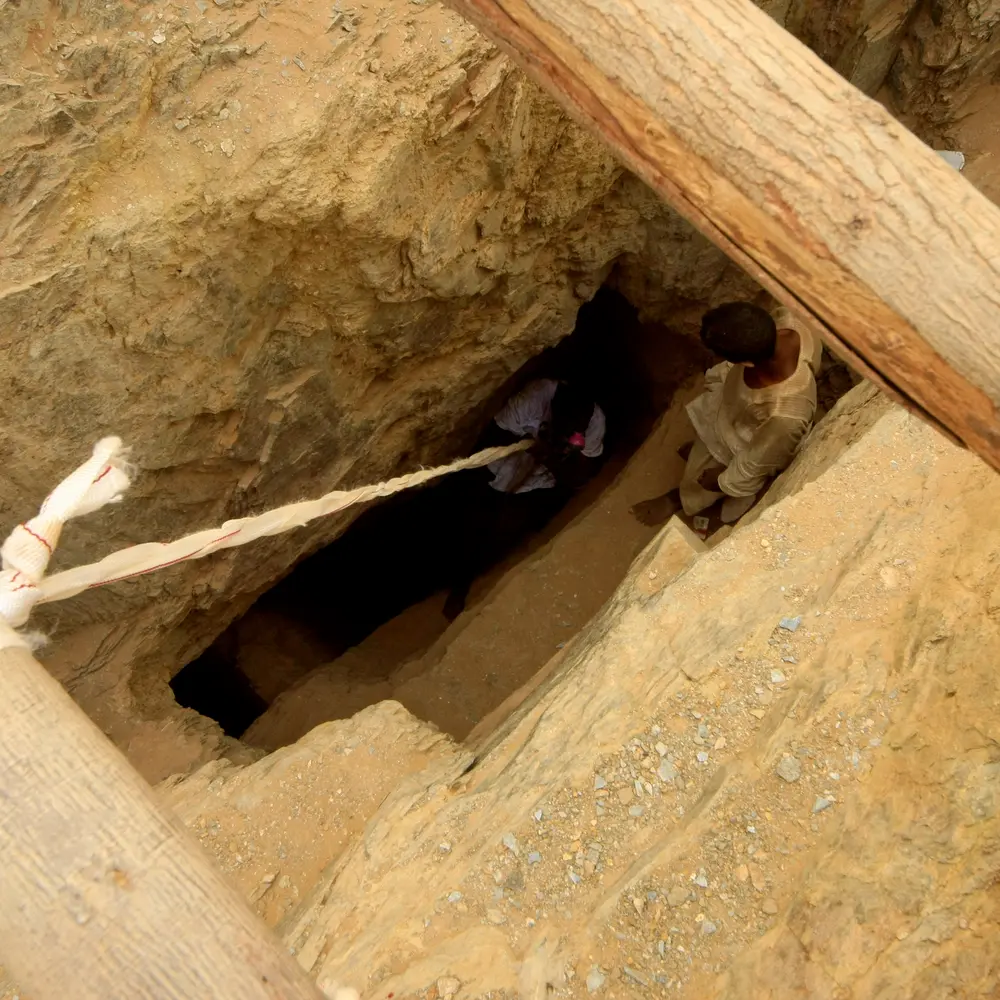
Some miners are still trapped in and trying to get rescued
A Deadly and Unregulated Industry
The Al-Zaraa mine is an informal artisanal operation, one of thousands across Sudan where miners work in unstable shafts with limited safety equipment. The Sudan Doctors Network said the site lacked basic safety measures and rescue equipment, calling for continued search efforts and medical assistance.
Local sources suggested the collapse may have been triggered by recent heavy rains that destabilised the ground. One miner told Reuters that the shafts are dug close together, meaning "if one collapses, it brings down all the ones next to it."
Gold Fuels Sudan's War
Sudan is one of Africa's largest gold producers and the metal has become a critical source of revenue for both sides in the civil war. Nearly all of Sudan's gold is smuggled or exported through the United Arab Emirates, which denies widespread reports that it arms the RSF.
Before the war pushed nearly 20 million Sudanese into severe hunger, artisanal mining employed more than two million people, according to industry figures. Mine collapses are common in Sudan, particularly in areas where unregulated mining has expanded rapidly due to economic desperation.
A Pattern of Tragedy
The Al-Zaraa disaster is the latest in a series of deadly mining accidents in Sudan. In July 2026, a mine collapse near the Egyptian border killed at least 15 people, while in January, 13 miners died when an abandoned shaft collapsed in South Kordofan. The frequency of these tragedies reflects the dangerous conditions facing Sudan's growing population of informal miners, who often work in shafts without ventilation, support structures or rescue equipment.
Rescue efforts at Al-Zaraa continued on Wednesday, but with an unknown number of miners still unaccounted for and the site lacking the heavy machinery needed to clear the debris, hopes of finding survivors were fading.
With reporting from AFP, Reuters, The Times of India, Voice of Nigeria, Xinhua, China News Service and other international media.










Comments (0)
No comments yet. Be the first to share your thoughts!