

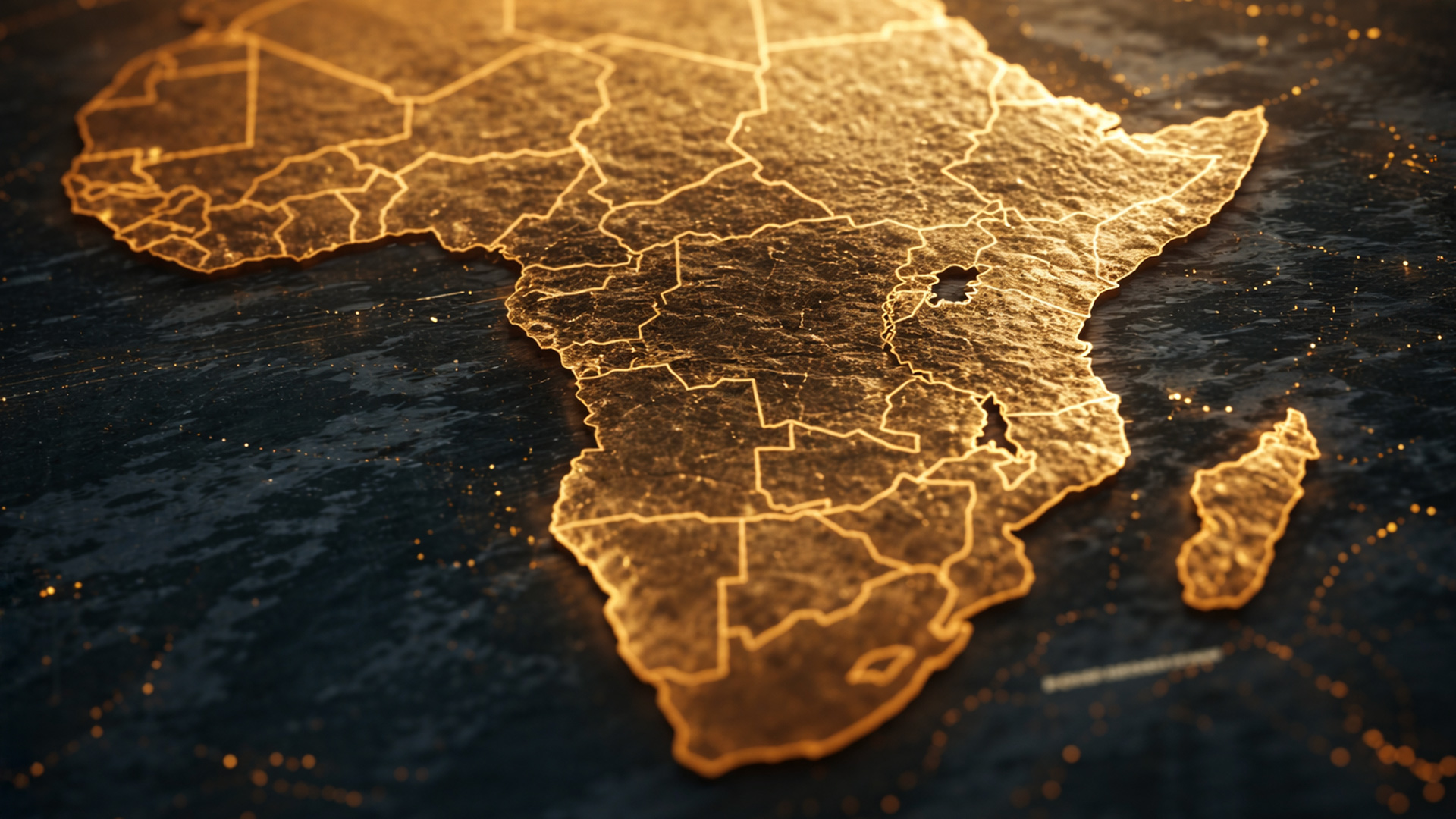
A Mountain of Wealth, a Valley of Poverty
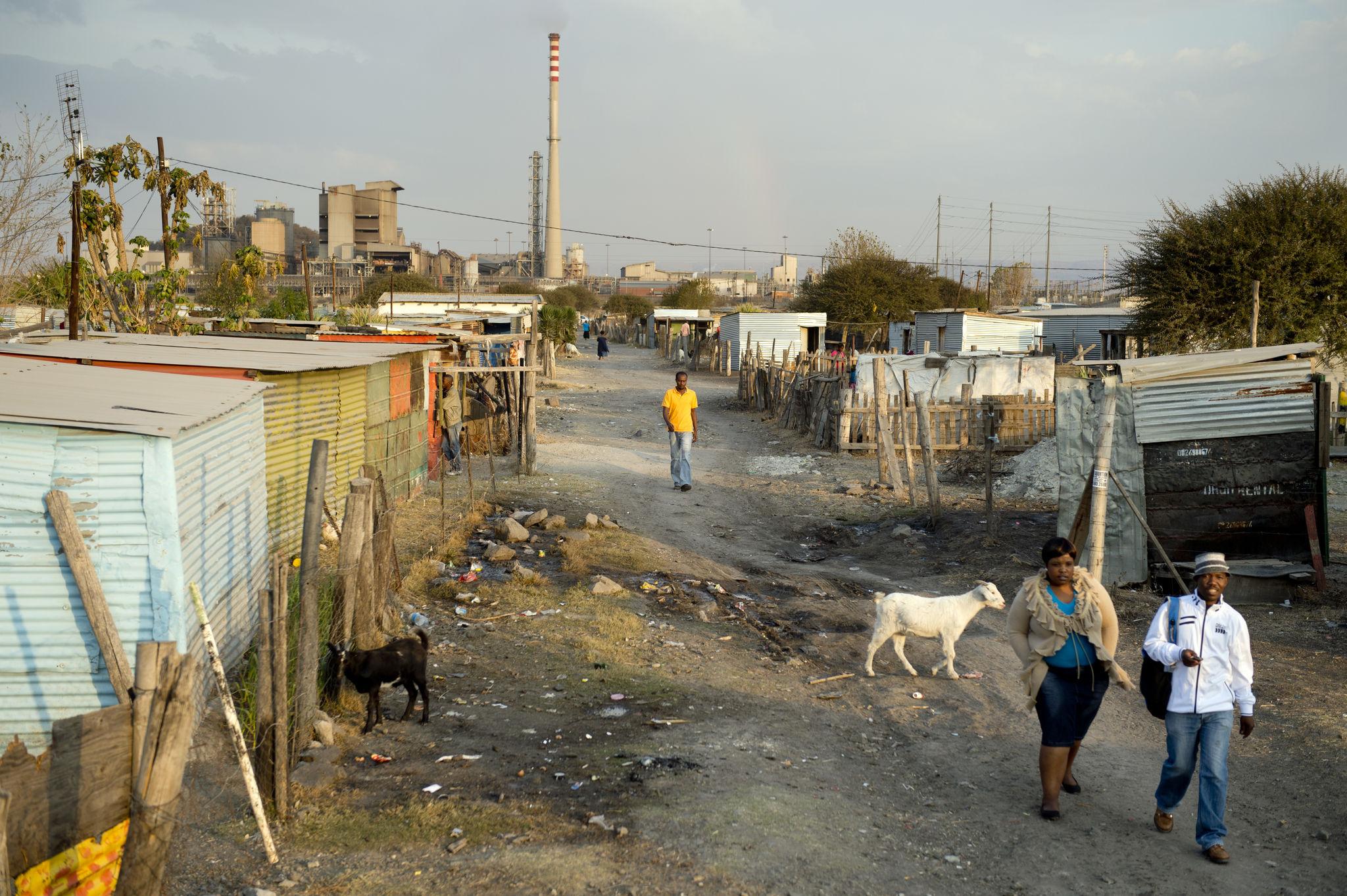
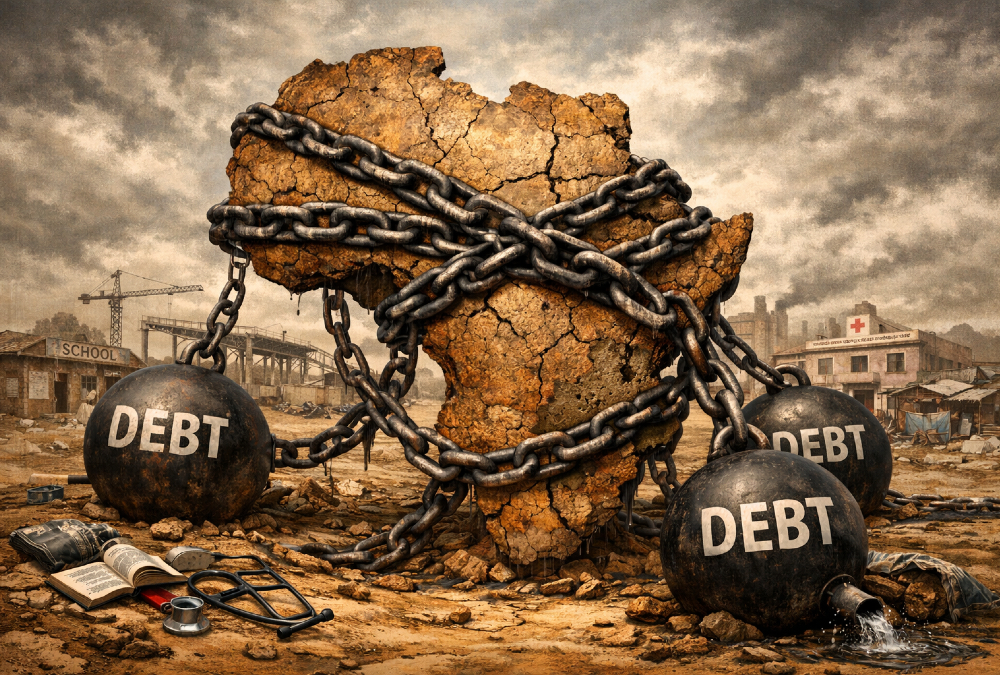
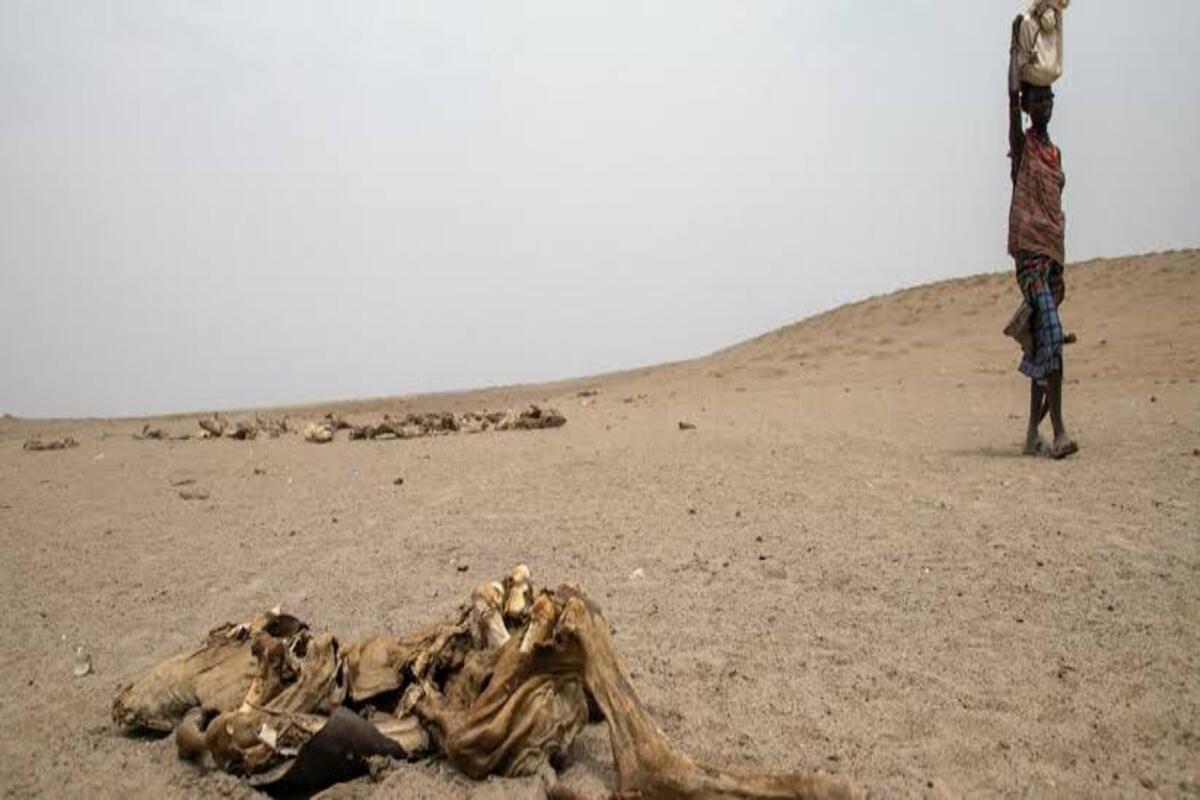
All that glitters is not gold, and South Africa is living proof. We live in a country rich enough for the world to dig deep into its soil for gold, platinum, manganese and other precious resources, yet too many South Africans are still digging deep into their pockets just to survive. In 2025, the country's nominal GDP reached approximately R7.6 trillion, yet millions continue to struggle with unemployment, poverty and inequality. We are sitting on a mountain of wealth while too many remain in the valley of poverty.
The Roots Beneath the Crisis
South Africa's crisis has many roots, including apartheid's legacy, structural inequality, unemployment and weak economic growth. But corruption feeds these problems from within. It weakens institutions, diverts public resources, undermines accountability and makes it harder for government to address the very problems people face. Corruption is not simply money stolen from the state; it is opportunity stolen from the people.

When Corruption Reaches the Hospital
The Tembisa Hospital investigation shows what this looks like in practice. The Special Investigating Unit reported more than R2 billion in losses linked to fraud and corruption, alongside R122.2 million in corrupt payments linked to officials and employees. The investigation is ongoing. These are not just numbers on a report. They represent resources intended for healthcare. A public hospital should be a place where the sick find healing, not where public money becomes an opportunity for enrichment.
When Poverty Locks the Door to Opportunity
The damage reaches beyond hospitals. Stats SA reported that approximately 1.5 million people aged 5–24 were not attending an educational institution in 2024 because they could not afford fees. Not every case is linked to corruption, but the statistic exposes the vicious cycle between poverty and opportunity. Education is supposed to be the ladder out of poverty; when young people cannot afford to climb it, that ladder becomes another barrier.
Grandparents Carrying Another Generation
Meanwhile, almost 8 million children, or 38% of South Africa's child population, lived in grandparent-headed households in 2023. Among them, 32.1% lived with neither parent. Behind these figures are grandparents carrying the weight of another generation, feeding children, paying bills and trying to keep families together. For some, retirement is not a destination; it is a road they never get to walk.
When Hope Begins to Disappear
The country's social crisis is also reflected in the lives of its young people. Government reported a suicide rate of around 23.5 deaths per 100,000 people, with suicide the second leading cause of death among those aged 15–29. Nearly one in five learners had attempted suicide at least once, according to research cited by government. Corruption does not cause every suicide, but when unemployment, poverty, inequality and institutional failure persist, hopelessness can take root. When tomorrow stops looking better than today, the future begins to resemble a locked door.
When Society Begins to Crack
South Africa also recorded 24,692 murders in 2024/25. Crime has many causes and cannot simply be blamed on corruption. But weak institutions, inequality, unemployment and social exclusion create conditions in which desperation and criminal networks can thrive. When cracks in society are ignored for too long, they eventually reach the foundations.
Politics, Power and the People
And while citizens struggle, South Africa has 537 registered political parties. The number itself reflects a vibrant political system, but it also raises a question about whether political competition is producing enough meaningful change. People cannot eat campaign promises, pay school fees with slogans or treat illness with speeches. Public office should be a responsibility, not a golden ticket.
Two South Africas
The inequality is difficult to ignore. South Africa can feel like two countries sharing the same land: one with private healthcare, private education and security, and another dependent on public systems and worried about food, electricity and shelter. One worries about investments; another worries about supper. The distance between these two South Africas is not always measured in kilometres. Sometimes it is measured in privilege.
The Price of a Broken System
This is why corruption matters. When public money is misused and institutions fail, those with wealth can often buy alternatives, while the poor are left to carry the consequences. Corruption therefore does not merely empty the public purse; it widens the gap between those who can escape a broken system and those who cannot.
The Promise of Freedom
South Africa's democracy was built on promises of dignity, equality and freedom. But if a mother cannot afford to feed her children, a student cannot afford to continue their education and a patient cannot rely on the public healthcare system, those promises become painfully uneven.
Is this the freedom we promised? Is this democracy truly working for all the people, or only for those who can afford to escape its failures?
Recovering What Corruption Has Stolen
South Africa is not without hope. But hope requires accountability, transparent procurement, stronger institutions, consequences for corruption and opportunities that reach ordinary people. Fighting corruption is not simply about recovering stolen money. It is about recovering trust.
The mother wants to feed her children. The student wants to graduate. The young person wants a job. The grandmother wants her grandchildren to have a future. These are not extravagant demands. They are the basic expectations of people who deserve to benefit from the country they call home.
The Wealth Beneath Us, The People Before Us
Our greatest national resource is not beneath the soil. It is the people standing upon it. South Africa has already dug deep into its earth and found gold. Now it must dig deeper into its conscience and ask what happened to the people. Because the true measure of a country's wealth is not how much it possesses, but how that wealth changes the lives of those with the least.




How much wealth has actually changed the lives of those with the least?