


African students planning to study in the United Kingdom will need to show more money for living expenses from November 30, 2026, under new immigration rules announced by the British government.

- From November 30, 2026, international students in the UK, including those from Africa, will need to show higher proof of living expenses under new immigration rules.
- Students in London must show £1,570 per month, and those outside London must show £1,203, representing increases over the previous threshold.
- The rule applies broadly to African applicants, affecting students from Nigeria, Ghana, Kenya, South Africa, and other countries.
- Applicants must also pay visa fees and health surcharges, and must have funds in their account for 28 days before applying, with the new requirements effective for applications submitted from November 30.
The changes, presented to Parliament on September 3, raise the amount international students must prove they can afford while studying in the UK. Under the revised rules, students in London will need to show £1,570 for each month of their course, up from £1,529, while those outside London will need £1,203, up from £1,171. Over nine months, the maximum requirement rises to £14,130 in London and £10,827 elsewhere, increases of £369 and £288 respectively. The rule applies to international students generally, so applicants from across Africa will be affected, including those from Nigeria, Ghana, Kenya, Uganda, Rwanda, Egypt, Morocco, South Africa, Tanzania, Zambia, Zimbabwe and Cameroon. DON'T MISS: 53,939 Africans from Egypt, Ethiopia, Ghana and 46 other countries win US Green Card lottery court relief ahead of September 30 deadline.
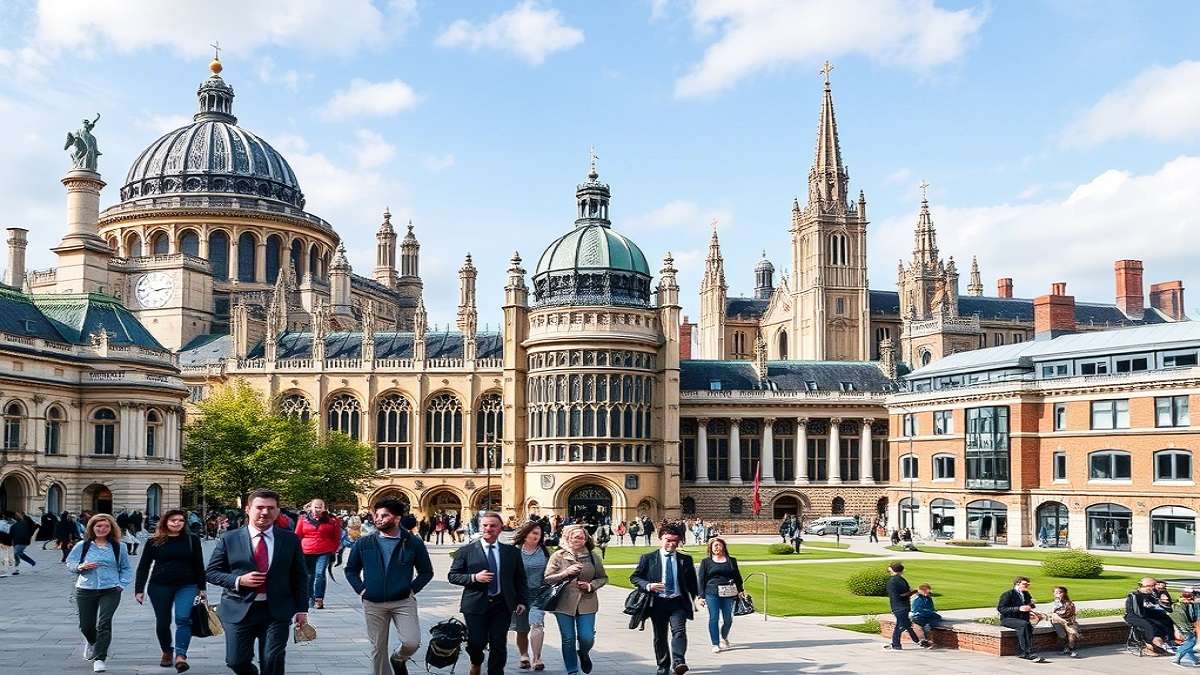
UK remains a major destination for African students
1. Academic Excellence
The UK boasts some of the oldest and most prestigious universities globally, consistently ranking high in international league tables like QS World University Rankings and Times Higher Education (THE). These institutions are renowned for their rigorous academic standards, cutting-edge research, and innovative teaching methods.
2. Diverse Course Offerings
From engineering and medicine to arts and humanities, UK universities offer a wide range of undergraduate and postgraduate programs tailored to meet industry demands. Whether you’re passionate about STEM fields or creative disciplines, there’s something for everyone.
3. Global Recognition
A degree from a UK university carries immense value worldwide. Employers recognize the quality of education provided by these institutions, giving graduates a competitive edge in the job market.
4. Cultural Diversity
With over 500,000 international students annually, the UK fosters a multicultural environment that encourages cross-cultural learning and networking. This diversity enriches campus life and prepares students for global careers.
5. Post-Study Work Opportunities
Under the UK’s Graduate Route visa, international students can stay and work in the country for up to two years after completing their studies. This policy enhances employability and provides valuable professional experience.
The impact is particularly significant because the UK remains a major overseas study destination for students from across the continent
HESA data show that students from several African countries are enrolled at UK universities, while Home Office figures place Nigeria among the continent’s largest source markets. In the year ending June 2026, the UK granted 26,060 Sponsored Study visas to Nigerian main applicants, representing 7% of the total and placing Nigeria third globally behind China and India. Overall, 365,868 Sponsored Study visas were granted to main applicants during the period, down 12% from the previous year. DON'T MISS: Saudi Arabia, Oman and Bahrain deport over 336,000 foreign workers in 2026 amid crackdown on Ethiopians, Ugandans and Nigerians.
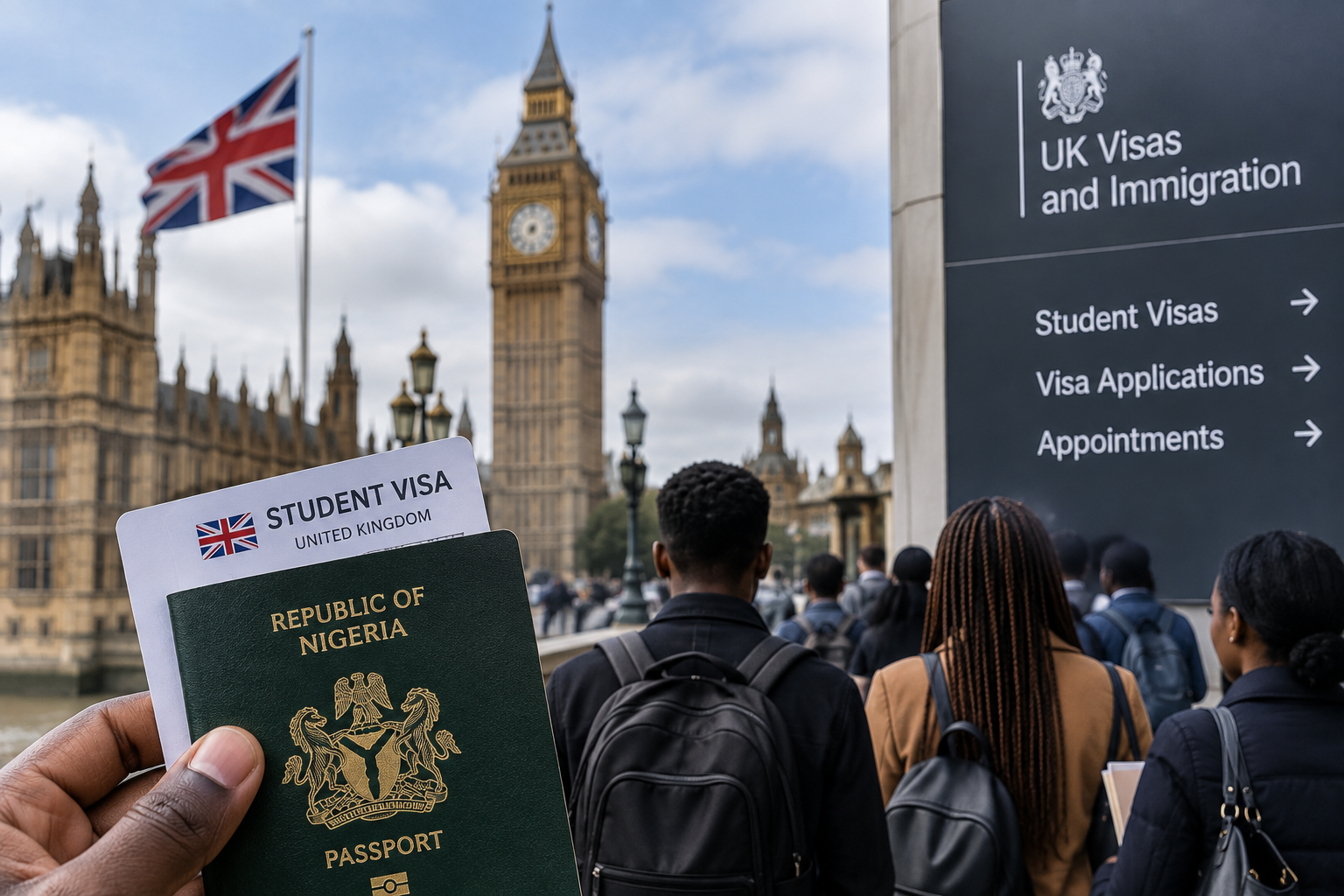
UK tightens student immigration rules
The increase comes as Britain continues to tighten its international student system, building on measures introduced since 2024 to curb what the government describes as abuse of the Student route. Since January 2024, most international students on taught postgraduate courses have been barred from bringing dependants and face restrictions on switching to work visas before completing their studies. The government has also raised concerns about some international recruitment agents accused of misleading prospective students about study and work opportunities in the UK. However, a 2024 Migration Advisory Committee review found no evidence of widespread abuse of the Graduate visa route, although it flagged concerns about some agents and sub-agents.
The Home Office says the latest maintenance increase is instead tied to support available to domestic students
The new thresholds have been aligned with maintenance loans for home students for the 2026/27 academic year and are expected to be reviewed annually. Beyond the higher maintenance threshold, applicants must also account for tuition fees, which are separate from the living-cost requirement and may need to be covered as part of the visa application. The required funds must be held for at least 28 consecutive days, with the closing balance dated no more than 31 days before the visa application is submitted.
Applicants must also pay a £558 Student visa fee and a £776 annual Immigration Health Surcharge.
















Comments (0)
No comments yet. Be the first to share your thoughts!