


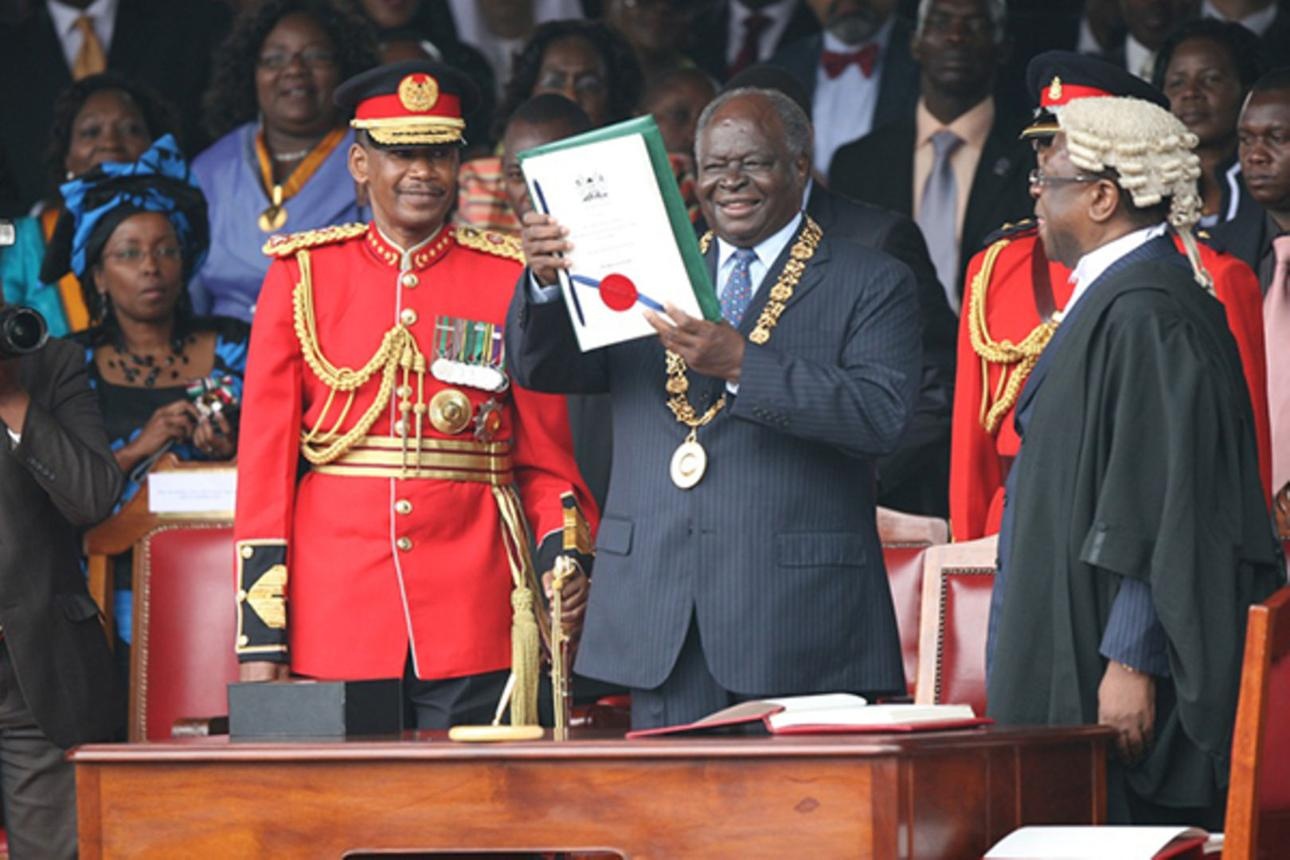
Sixteen years after Kenya promulgated its transformative 2010 Constitution, the country has made major changes in governance, devolution, human rights and citizen participation. But as Kenyans mark Katiba Day, a bigger question remains: has the country fully delivered on the promises of the Constitution, or is too much of its promise still on paper?

Kenya is marking 16 years since the promulgation of the Constitution of Kenya, 2010, a document that fundamentally changed the country’s political and legal system.
Promulgated on August 27, 2010, the Constitution replaced the previous constitutional order after years of political struggles, demands for reform and public pressure for stronger democratic institutions.
Today, August 27 is observed as Katiba Day, giving Kenyans an opportunity to look beyond celebrations and ask a difficult question: How well has the Constitution actually worked?
President William Ruto used this year’s celebrations at the Kenyatta International Convention Centre in Nairobi to make a similar point.
“Katiba Day must be more than an anniversary; it must be a day of national accounting,”
Ruto said, urging leaders and institutions to focus on turning constitutional promises into improvements in the lives of ordinary citizens.
A Constitution That Put Citizens at the Center
One of the biggest changes introduced in 2010 was the recognition that sovereign power belongs to the people.
The Constitution established national values including democracy, public participation, human rights, social justice, transparency, accountability and the rule of law.
It also significantly strengthened the Bill of Rights.
For example, Article 37 gives every person the right to peacefully assemble, demonstrate, picket and petition public authorities. Article 35 provides citizens with a right to access information held by the State.
These provisions have changed the relationship between citizens and government. Kenyans can challenge government decisions in court, demand information and use constitutional rights to question the exercise of public power.
But having rights in the Constitution and enjoying those rights in practice are not always the same thing.
Devolution: One of the Biggest Successes
Perhaps the most visible transformation since 2010 has been devolution.
Kenya moved from a highly centralized system to one with 47 county governments, bringing political decision-making and public services closer to communities.
Article 174 says devolution should promote accountable government, public participation, equitable sharing of resources and accessible services.
The United Nations has described devolution as one of the Constitution’s key innovations, noting that functions such as health, water and sanitation, agriculture and early childhood education were brought closer to the people.
There have been clear gains.
Counties have created new administrative structures, increased local political participation and taken responsibility for services that were previously heavily controlled from Nairobi.
The national government says it has continued increasing transfers to counties. For the 2025 financial year, President Ruto said counties received KSh415 billion, compared with KSh387 billion the previous year.
Yet devolution is far from perfect.
Research by the Kenya Institute for Public Policy Research and Analysis has found significant differences in performance between counties, with some still facing serious shortages in health workers and education services.
Corruption, weak financial management and accountability problems also continue to affect county governments.
Devolution has therefore brought government closer to the people, but it has not automatically made government more accountable.
The Judiciary Became a Stronger Check on Power
The 2010 Constitution also strengthened the Judiciary and gave courts a clearer role in protecting constitutional rights.
Article 160 states that the Judiciary is subject only to the Constitution and the law and should not be controlled or directed by another person or authority.
The power of the courts became particularly visible in 2017, when the Supreme Court annulled the presidential election and ordered a fresh election.
That decision demonstrated that Kenya’s constitutional institutions could challenge even the highest office in the country.
But judicial independence remains an important part of the current constitutional debate.
Former Chief Justice David Maraga, who presided over the 2017 Supreme Court decision, has repeatedly argued that Kenya’s problem is not necessarily the Constitution itself, but the failure to fully implement it.
On this year’s 16th anniversary, Maraga warned that the Constitution was facing serious pressure.
“Sixteen years ago, Kenya promulgated a new Constitution. It was not a gift from the powerful, but a hard-fought assertion of our sovereign will.”
He urged Kenyans to remain vigilant and said the coming political choices should be judged by their commitment to constitutionalism.
His comments reflect a wider concern among constitutional lawyers and civil society groups that institutions must be allowed to operate independently and that government decisions must remain subject to the law.
Public Participation: A Promise Still Being Tested
The Constitution did not intend Kenyans to participate in government only during elections.
Public participation is a constitutional principle.
Parliament is required to conduct its business openly and facilitate public participation in legislation. County assemblies have similar obligations.
This has changed the way Kenyans engage with government.
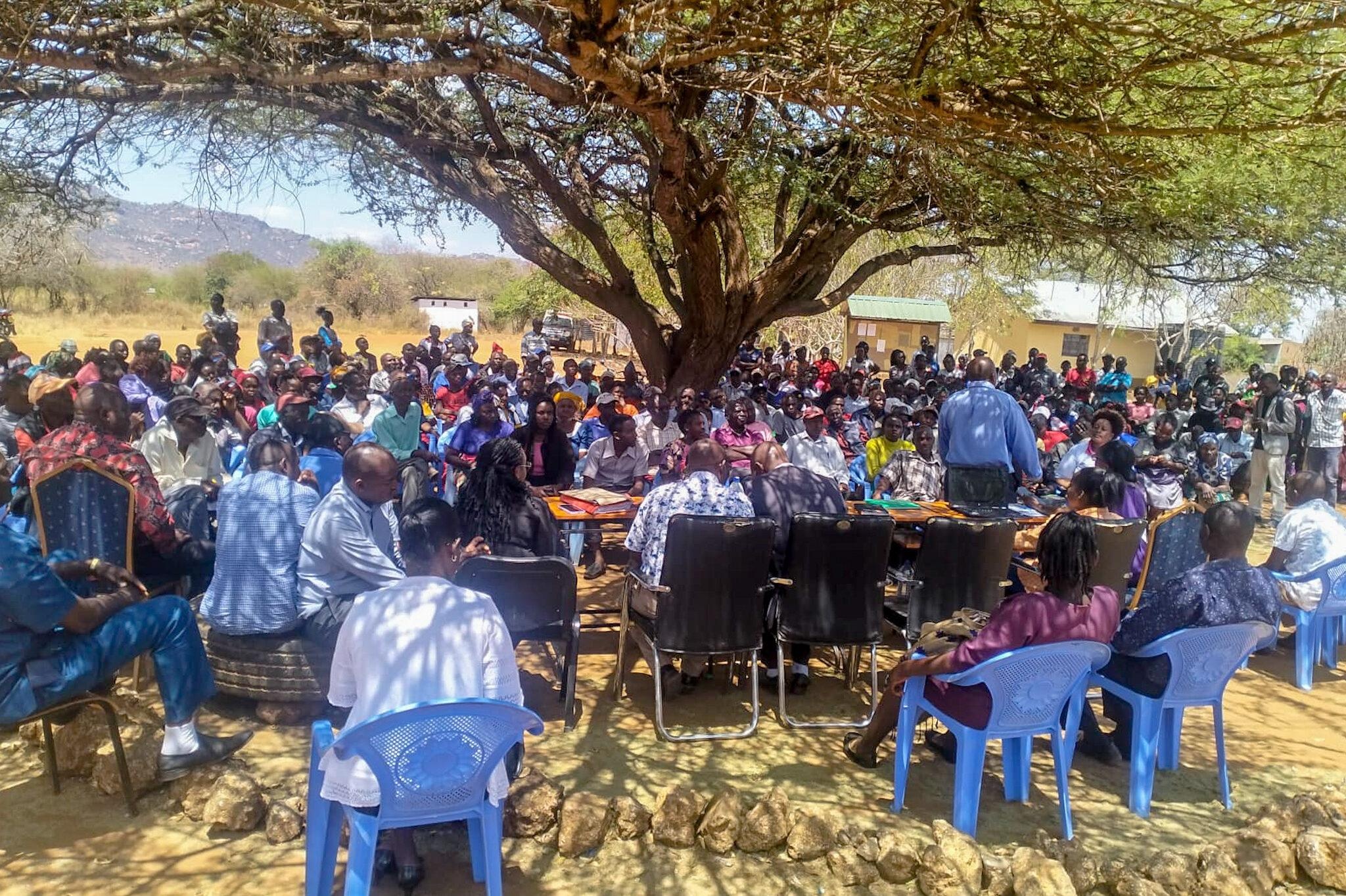
Citizens now participate in public hearings, budget processes, parliamentary consultations and court cases. Social media has also created a powerful new platform for public debate.
But participation is sometimes criticized for being rushed, inaccessible or conducted after major decisions have effectively already been made.
That raises an important question: Is public participation meaningful if citizens are heard but their concerns do not influence the final decision?
What About Human Rights and Police Accountability?
The Constitution created strong protections for human rights, but this remains one of its most difficult areas of implementation.
Article 21 places a duty on the State to respect, protect, promote and fulfill rights and fundamental freedoms.
Recent demonstrations have put those protections under intense public scrutiny.
Amnesty International Kenya, marking the 16th anniversary today, said the country has made important progress in constitutional awareness and citizen participation but raised concerns over alleged violations of rights, police brutality and the shrinking of civic space.
These concerns are especially important because Article 37 explicitly protects peaceful assembly and demonstrations.
The challenge is therefore not simply whether Kenya has constitutional rights, but whether those rights are protected when citizens use them against powerful interests.

Parliament and the Fight Against Corruption
The Constitution also created stronger institutions intended to prevent the concentration of power.
Parliament has a legislative and oversight role, while independent commissions and offices such as the Auditor-General and other accountability institutions are designed to scrutinize the use of public resources.
Yet corruption remains one of Kenya’s biggest governance challenges.
The problem is not that Kenya lacks laws against corruption. The bigger question is whether institutions have enough independence, resources and political support to enforce those laws consistently.
The Constitution’s values of integrity, transparency and accountability require more than speeches. They require consequences when public resources are misused.
So, Has Kenya Lived Up to the Constitution?
The answer is neither a simple yes nor no.
Kenya today is different from the Kenya of 2010.
Devolution has changed governance. The Bill of Rights has empowered citizens. Courts have demonstrated greater constitutional authority. Public participation has become part of government processes. Kenyans are also far more willing to question leaders and institutions.
But major gaps remain.
Corruption continues to weaken public institutions. Some citizens still struggle to access quality public services. Public participation can be inconsistent. Questions about police accountability and civic space remain. And debates over the independence of constitutional institutions continue.
Amnesty International Kenya, in its assessment released today, described the Constitution as a living framework rather than simply a legal document, arguing that its promises must continue to be defended and implemented.
That may be the most important lesson at 16.

The Constitution Is Only as Strong as Its People and Institutions
The Constitution of 2010 gave Kenyans powerful tools for demanding better government. But it cannot implement itself.
Its success depends on the independence of institutions, the willingness of leaders to obey the law and the readiness of citizens to defend their rights.
President Ruto's message today was that constitutional success should ultimately be measured by what Kenyans experience in their daily lives, including access to healthcare, education, housing, agriculture and social protection.
Maraga and civil society groups, meanwhile, are emphasizing another side of the same question: whether Kenya is protecting the constitutional limits on power, rights and democratic institutions.
Sixteen years later, perhaps the real test of Katiba is not whether Kenya has changed.
It is whether the country is becoming the Kenya that the Constitution promised.















Comments (0)
No comments yet. Be the first to share your thoughts!