



Parts of Nairobi’s Central Business District have been forced into an unusual shutdown as small traders protest a new KRA customs benchmark. The increase from Sh2.5 million to Sh3.2 million for consolidated 40-foot cargo has triggered anger over the rising cost of doing business — and raised a bigger question for millions of Kenyans: will the higher cost of importing goods eventually show up in the prices they pay?

Nairobi wakes up to closed shops and angry traders
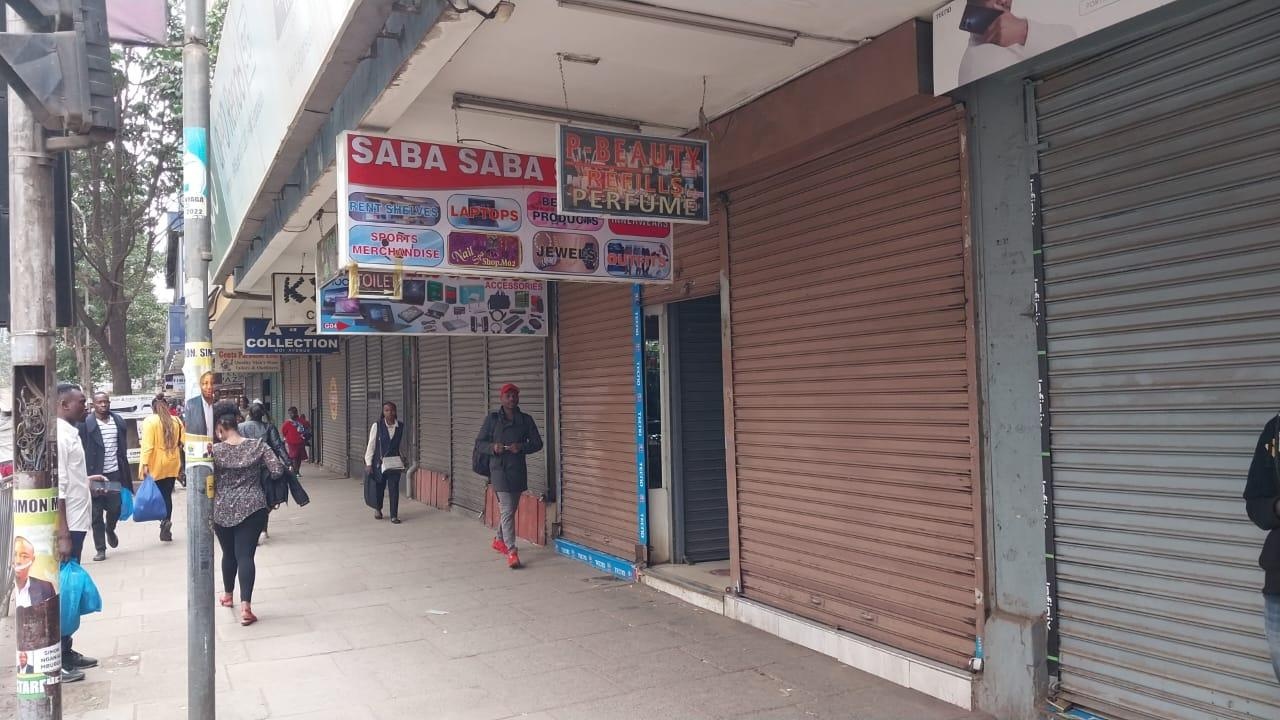
Nairobi’s Central Business District looked different on Friday as sections of shops remained closed and traders took to the streets to protest changes in customs valuation by the Kenya Revenue Authority (KRA).
Traders gathered in parts of the CBD and marched toward the KRA headquarters at Times Tower, demanding a review of the new customs benchmark.
Police used tear gas to disperse some protesters as tensions rose, while hundreds of businesses in central Nairobi closed amid the demonstrations.
The protests are not simply about a number on a customs document.
For small businesses that depend on imported merchandise, the dispute goes to the heart of a much bigger problem: how much does it cost to run a business in Kenya today?
What exactly has KRA changed?
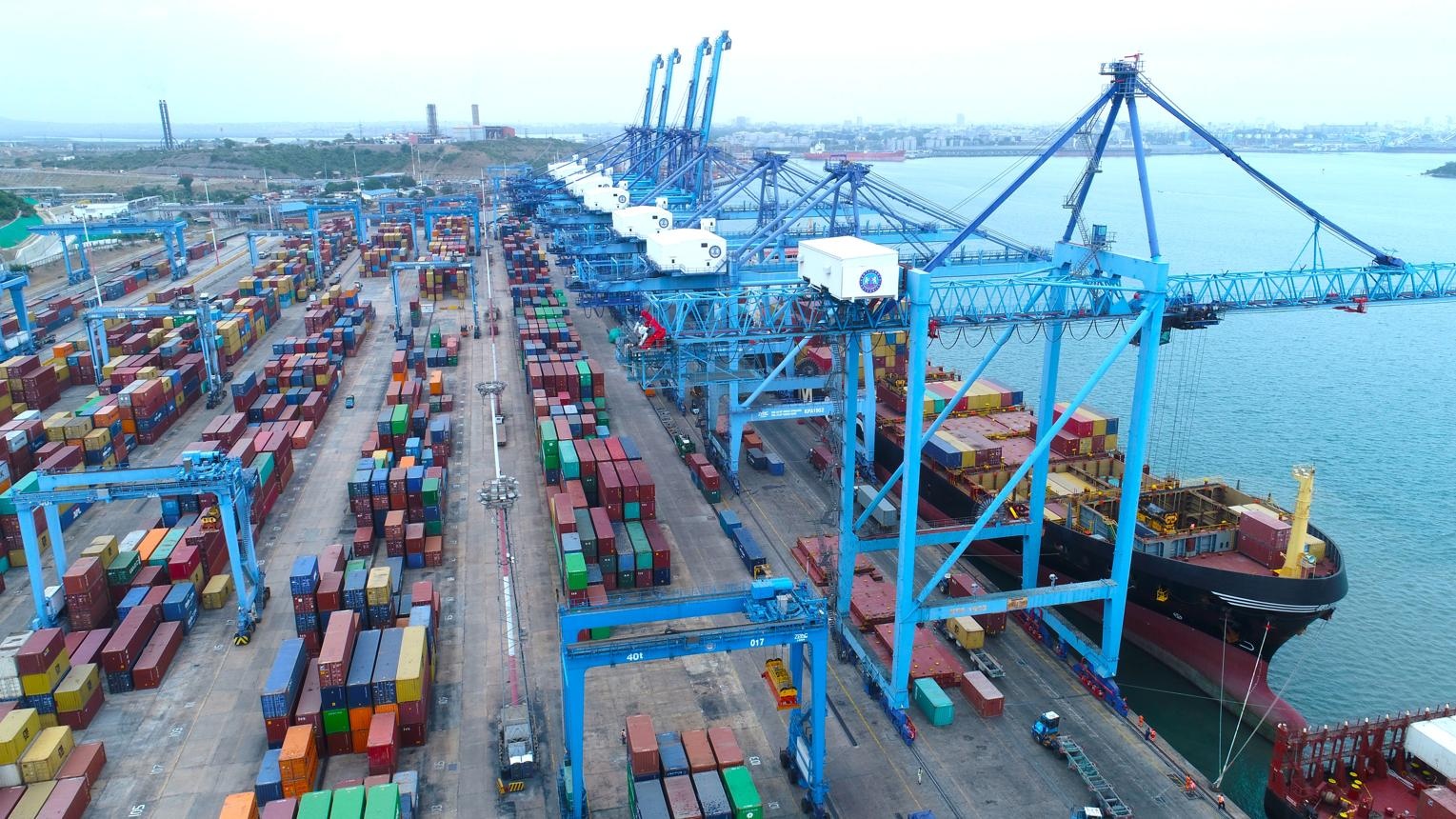
At the center of the dispute is a revised minimum customs benchmark for general containerized consolidated cargo.
KRA increased the benchmark for a consolidated 40-foot container from Sh2.5 million to Sh3.2 million. That is an increase of Sh700,000, or about 28 percent.
The new benchmark took effect on August 20 after consultations involving KRA, freight and warehousing representatives, small traders, cargo consolidators and other stakeholders.
Consolidated cargo is particularly important to small importers because several traders can combine their goods in one container. By sharing shipping and clearance costs, they can import merchandise without having to fill an entire container themselves.
For many traders dealing in goods from China and other major trading markets, this system is an important part of their business model.
That is why the new benchmark has caused such a strong reaction.
The number traders are worried about
To understand the controversy, consider the difference between the old and new figures.
Old benchmark: Sh2.5 million
New benchmark: Sh3.2 million
Increase: Sh700,000
Percentage increase: About 28%
For a large importer, such a change may be manageable.
For a small trader working with limited capital and narrow profit margins, however, any increase in the cost of bringing merchandise into the country can have serious consequences.
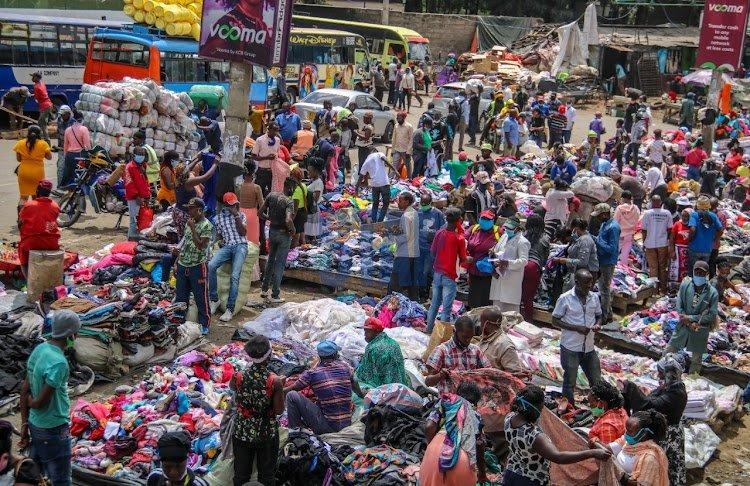
Traders in Nairobi’s Kamukunji, Gikomba and Nyamakima markets have argued that the higher benchmark will increase their operating costs and squeeze their profits.
But KRA says the Sh3.2 million is not a flat tax
This is where the story becomes more complicated.
KRA has pushed back against the interpretation that every small trader importing through a consolidated container will automatically receive a Sh3.2 million tax bill.
The authority says the figure is a minimum customs valuation benchmark and risk-management reference, not a fixed tax charged to every container.
The actual amount payable depends on factors including the nature, value and classification of the goods being imported.
Where the actual value of goods is higher than the benchmark, that higher value must be declared and the appropriate duties paid.
KRA says the change is intended partly to tackle undervaluation, under-declaration and other customs loopholes that allow some importers to pay less tax than required.
The authority has also argued that stronger valuation rules can protect businesses that already comply with the law from unfair competition.
In other words, KRA sees the change as a compliance and revenue measure, while traders see it as another increase in the cost of doing business.
Both sides are talking about the same number — but from very different perspectives.
Why small traders say the new rule could hurt
Small traders often operate on much thinner margins than large companies.
A trader importing clothes, shoes, electronics, household goods or other merchandise has to account for shipping, clearance, storage, transport, rent, employees and other operating costs before making a profit.
When the cost of bringing goods into the country rises, the trader has several choices.
They can absorb the additional cost and accept lower profits.
They can reduce the amount of merchandise they import.
They can negotiate harder with suppliers.
Or they can increase the selling price.
That last option is what could eventually affect ordinary consumers.
From customs costs to higher prices: how the chain works
The concern can be explained through a simple chain:
Higher import costs → higher business expenses → pressure on profit margins → traders adjust prices → consumers may pay more.
This does not mean every product in Kenya will suddenly become 28 percent more expensive.
The actual impact will depend on the type of goods, the trader's costs, the amount of tax payable, competition in the market and whether businesses decide to absorb some of the increase.
But the fear among traders is that continued increases in the cost of importing goods will eventually make their businesses less profitable.
And when businesses face higher costs for long enough, consumers often feel the consequences.
Why the protests matter beyond Nairobi
Friday’s demonstrations are bigger than the dispute between traders and KRA.
They highlight the growing pressure facing Kenya’s small-business sector.
Small businesses provide livelihoods for millions of people, from shop owners and importers to employees, transporters and suppliers.
When the cost of operating a business increases, the effects can travel through the wider economy.
A trader who imports fewer goods may order less from suppliers.
A shop that sells fewer products may need fewer workers.
A distributor moving smaller volumes may make fewer trips.
And a consumer facing higher prices may simply buy less.
This is why taxation and customs policy can have effects far beyond government revenue.
Not every part of Nairobi has shut down
The protest has also not affected every commercial area in the same way.
Parts of Nairobi's CBD recorded significant shop closures on Friday, with businesses along some major streets affected.
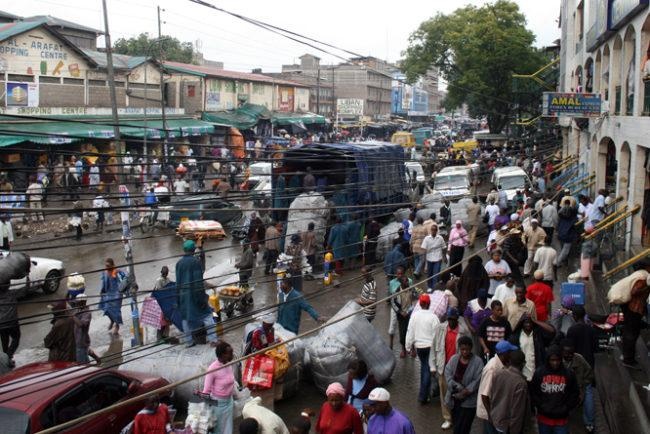
But commercial activity in Eastleigh remained largely normal, with traders continuing to operate despite the wider protests.
The difference is important.
It shows that Kenya's trading community is not responding to the new customs benchmark in exactly the same way.
Some traders have chosen demonstrations and shutdowns.
Others have preferred dialogue with KRA and continued operating.
The Eastleigh Business Community had urged traders in the area to keep their businesses open and pursue dialogue rather than street demonstrations.
KRA faces a difficult balancing act
The government has a legitimate interest in collecting the taxes legally owed by businesses.
Customs undervaluation and under-declaration can reduce government revenue and create an uneven playing field between compliant and non-compliant businesses.
But the government also has to consider what happens when compliance measures become too costly for smaller businesses.
For KRA, the challenge is therefore not simply collecting more revenue.
It is finding a system that improves compliance without pushing legitimate small businesses toward closure, reduced investment or higher prices.
For traders, the challenge is equally difficult.
They need to remain competitive while dealing with taxes, shipping costs, rent, wages and other expenses.
The bigger question: Is Kenya becoming too expensive for small businesses?
The protests have reopened a much larger conversation about the cost of doing business in Kenya.
Taxation is only one part of the equation.
Traders also face commercial rents, transportation costs, electricity bills, wages, financing costs and the wider cost of importing and distributing goods.
For a small entrepreneur, these expenses accumulate quickly.
That means today's protest should not be viewed only as a fight over whether the customs benchmark should be Sh2.5 million or Sh3.2 million.
It is also a warning about how much pressure small businesses can absorb before they begin passing those costs to consumers.
What happens next?
For now, the immediate focus is on whether KRA and traders can find common ground.
Traders want the revised benchmark reviewed and have called for greater consideration of the realities facing small businesses.
KRA, meanwhile, maintains that the new figure is a customs reference point rather than a flat tax and says the revised approach is intended to strengthen compliance and prevent revenue leakages.
The outcome of that conversation could matter well beyond the CBD.
If the new system remains, traders will have to adapt their businesses to it.
If the government changes or reviews the benchmark, it could ease some of the pressure that has triggered the protests.
Either way, Kenyan consumers will be watching closely.
Because behind the technical language of customs valuation, consolidated cargo and minimum benchmarks is a much simpler question:
How much will it cost to buy everyday goods in Kenya tomorrow?

















Comments (0)
No comments yet. Be the first to share your thoughts!