

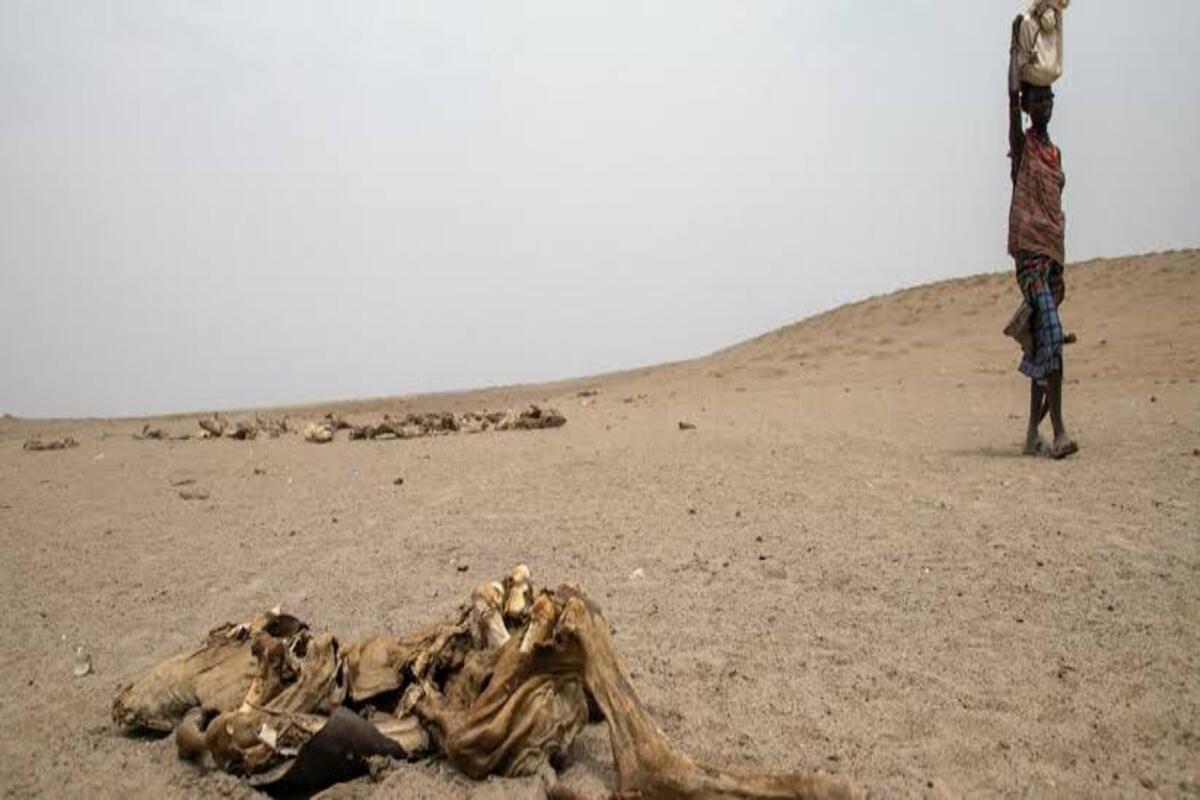
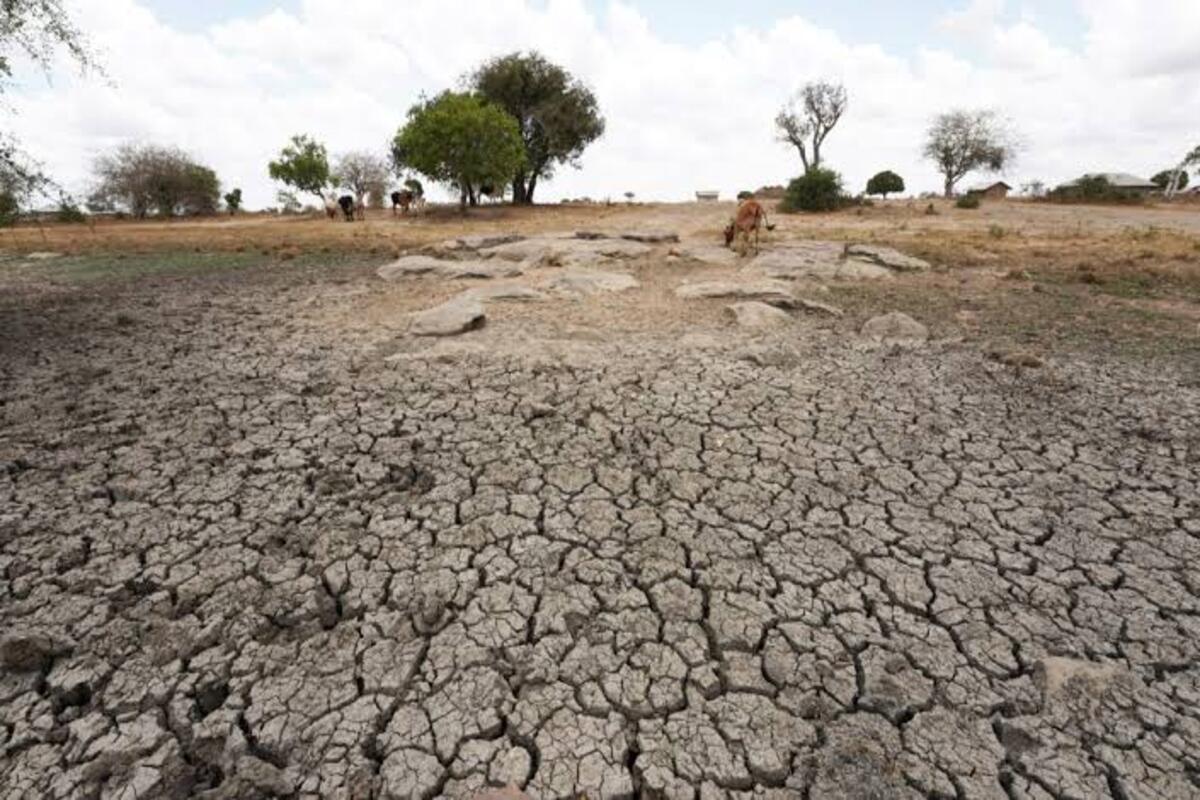
Across the continent, the effects are already being felt. In the Horn of Africa, repeated droughts have put millions of people and livestock under severe pressure, while countries such as Kenya, Ethiopia and Somalia have also experienced destructive flooding during periods of intense rainfall. In Southern Africa, countries including Zimbabwe and Zambia have faced severe drought conditions that have damaged crops and reduced water supplies. Meanwhile, Nigeria and the Democratic Republic of Congo have experienced deadly floods that have displaced communities and destroyed infrastructure.
The contradiction is striking: one region is struggling with water shortages while another is dealing with destructive floods and for millions of Africans who depend on rain-fed agriculture, unpredictable weather has become more damaging than gradual changes in temperature. A late rainy season delays planting, while heavy rainfall washes away crops and fertile soil. Prolonged drought kills livestock and leaves families without reliable income.

Food And Water At Risk
Agriculture remains central to Africa’s economy and livelihoods, making the continent particularly vulnerable to climate shocks.
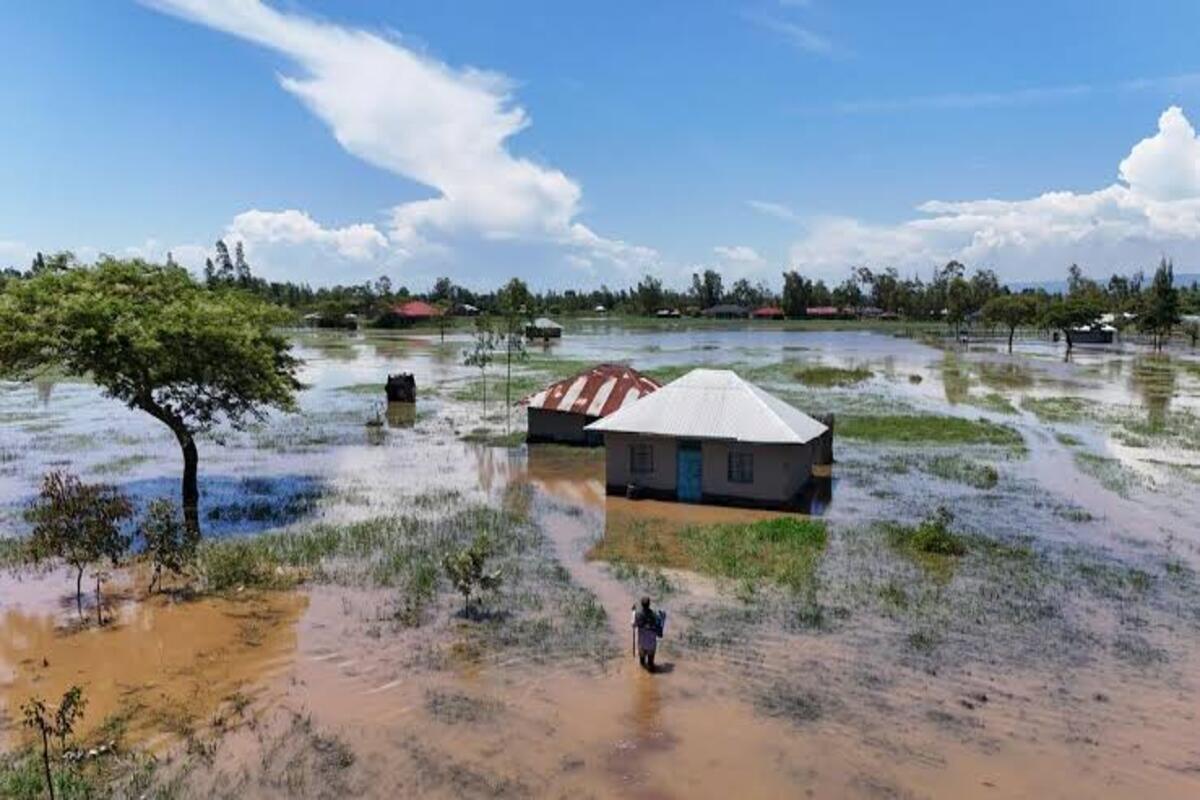
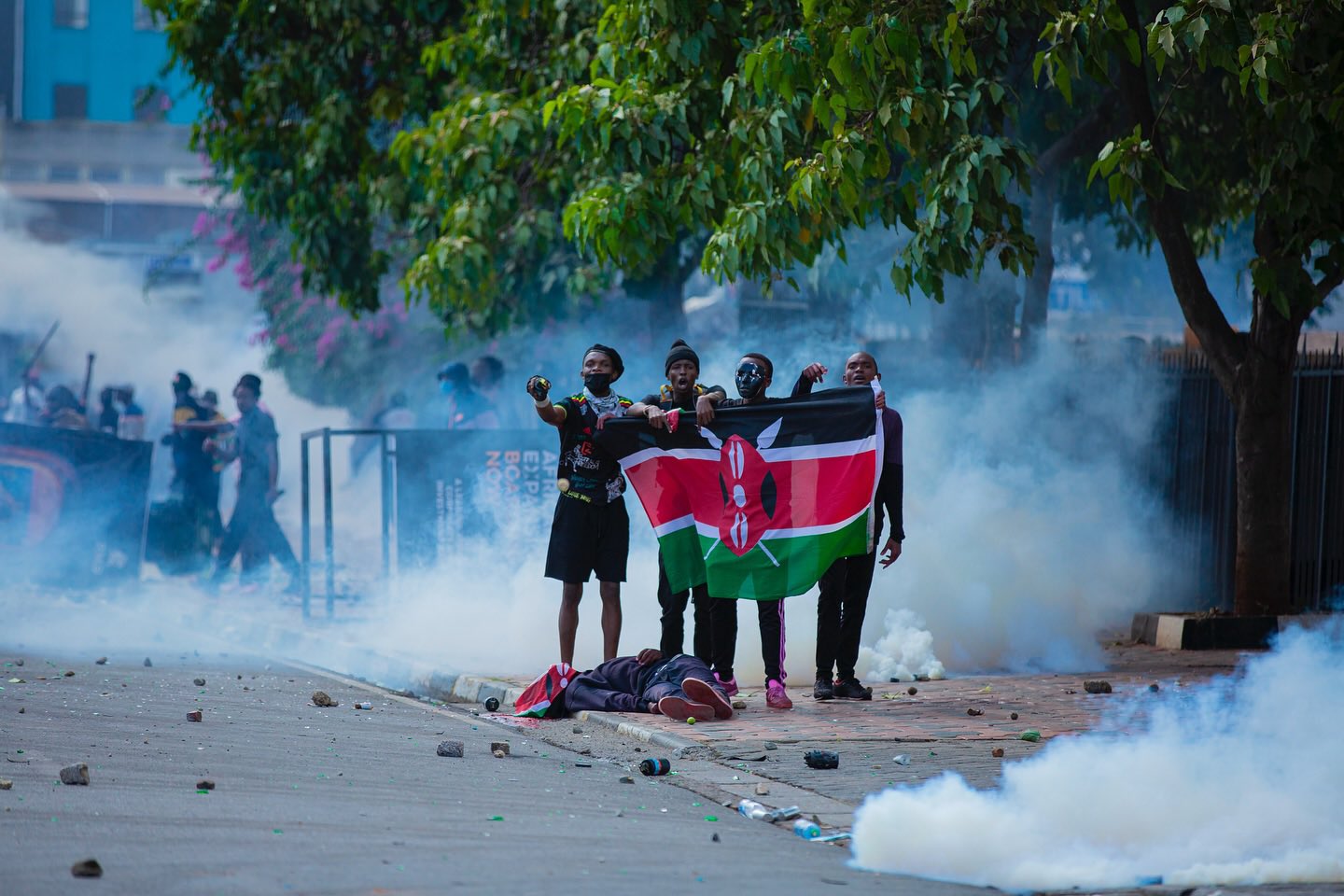
Kenya provides a clear example. The country has endured repeated droughts in its arid and semi-arid regions, putting pastoralist communities under pressure as pasture and water sources disappear. When rains eventually arrive, they have often brought another danger: flash floods that destroy homes, roads, crops and livestock.
The wider Horn of Africa has experienced a similar cycle. Communities that have lost livestock during prolonged droughts have faced the additional challenge of rebuilding their livelihoods when heavy rains return. The result is a climate crisis that does not simply move from drought to recovery, but from one extreme event to another.
Southern Africa has faced its own severe pressures. Zimbabwe declared a national disaster over drought in 2024 after poor rainfall affected agriculture and water supplies. Zambia also experienced severe drought, with low rainfall damaging maize production and putting pressure on electricity generation because of reduced water levels at major hydropower facilities.
When crops fail, food prices rise. When livestock die, household incomes disappear and therefore rural livelihoods collapse, forcing people to move towards cities in search of work.
Water has also become a growing concern. Changing rainfall patterns, prolonged droughts and shrinking water sources are putting increasing pressure on communities, farmers and industries.
In South Africa, recurring water shortages have exposed the vulnerability of major urban and industrial systems, while other countries are struggling to provide reliable water to rapidly growing populations therefore climate change is not creating every problem Africa faces, but it is making existing challenges considerably harder to solve.
African Cities Face A New Threat
Africa’s rapidly expanding cities have also moved to the frontline of the climate crisis.
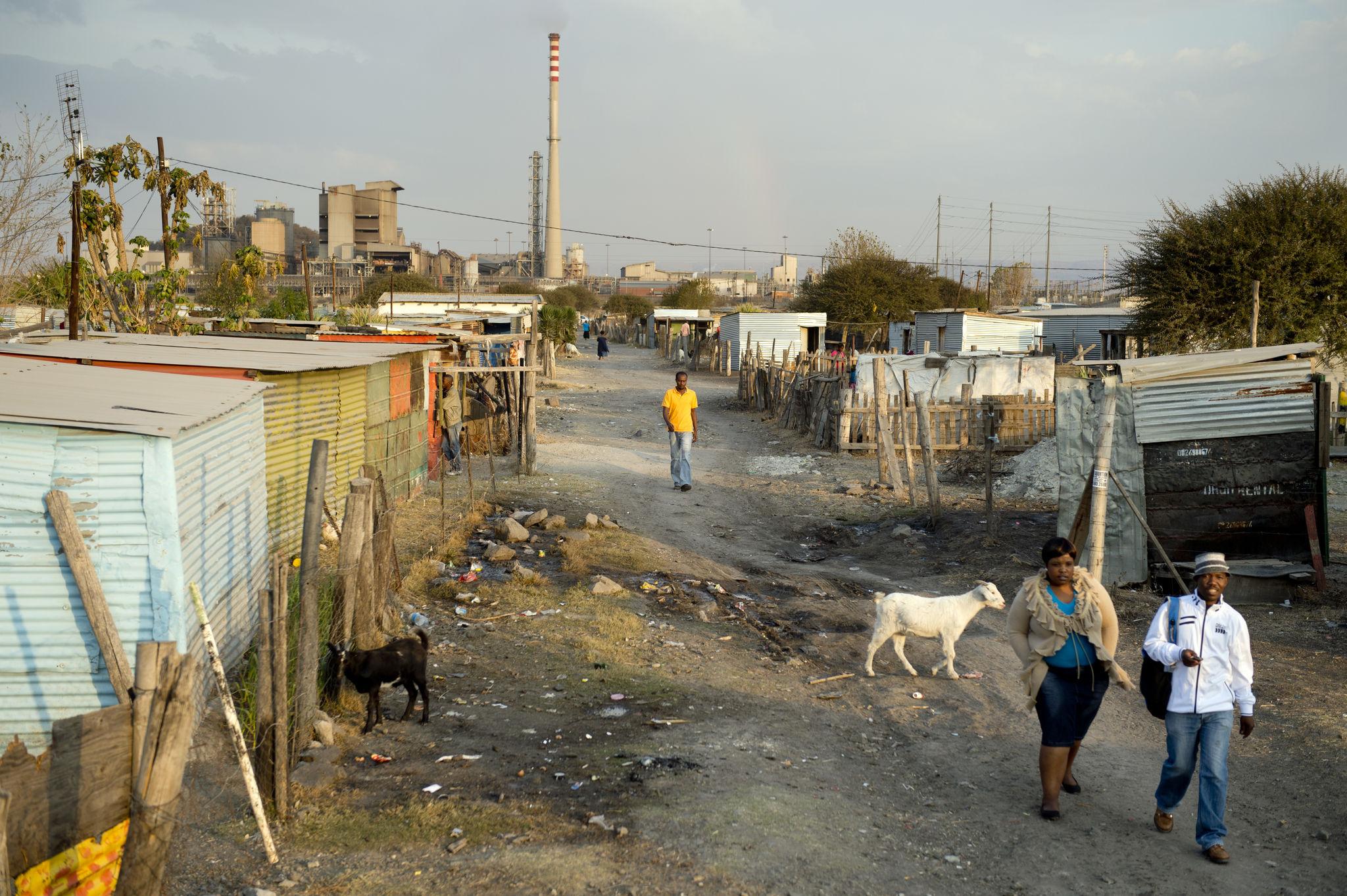
Many urban areas are growing faster than their infrastructure. Roads, drainage systems, housing and water networks are already under pressure. When extreme rainfall occurs, informal settlements and poorly drained neighbourhoods become particularly vulnerable to flooding.
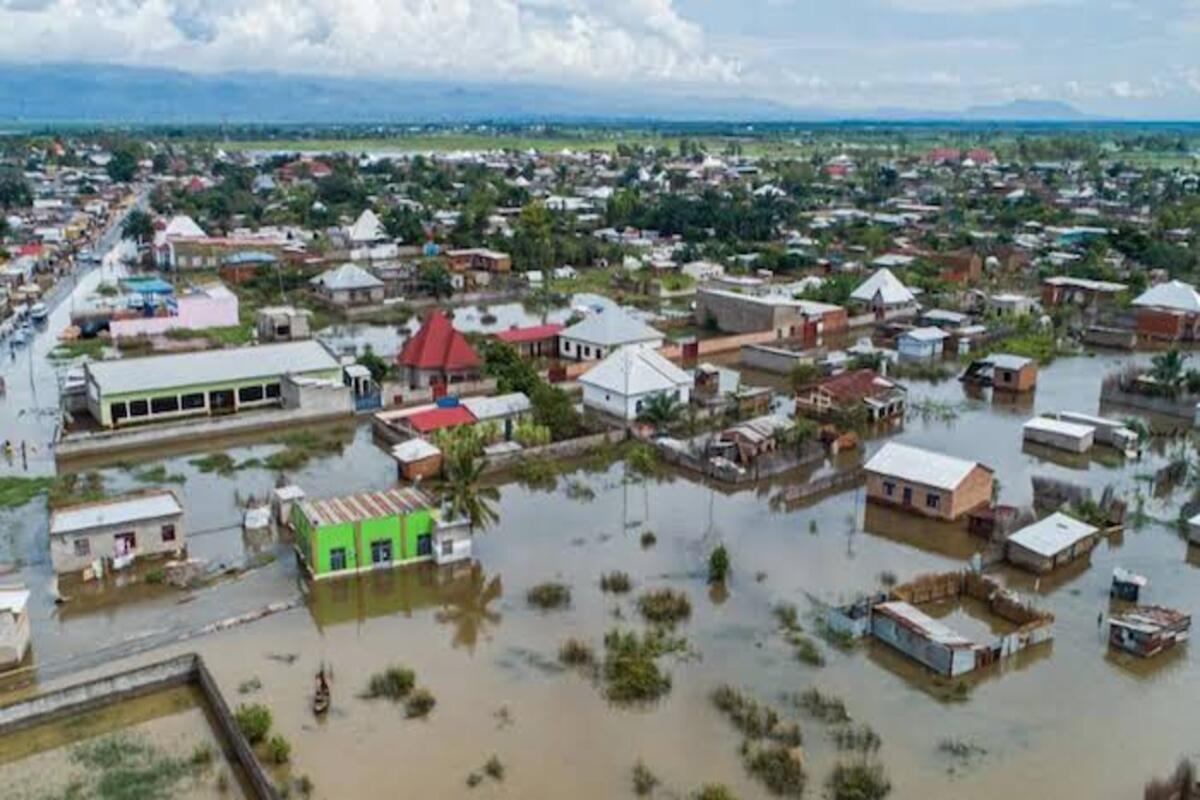
Nigeria has experienced this problem rrepeatedly.Over years the country has experienced Heavy rainfall and flooding which has consistently displaced communities, destroyed homes and damaged farmland, while inadequate drainage and rapid urban expansion have increased the vulnerability of some cities.
In the Democratic Republic of Congo, severe flooding has also displaced communities and exposed the difficulty of responding to climate-related disasters in a country where infrastructure remains limited across large areas.
Heat presents another danger in the continent with Concrete buildings and limited vegetation turning cities into heat traps. For people working outdoors, extreme temperatures reduce productivity and increase health risks, while poorer households often lack access to cooling systems.
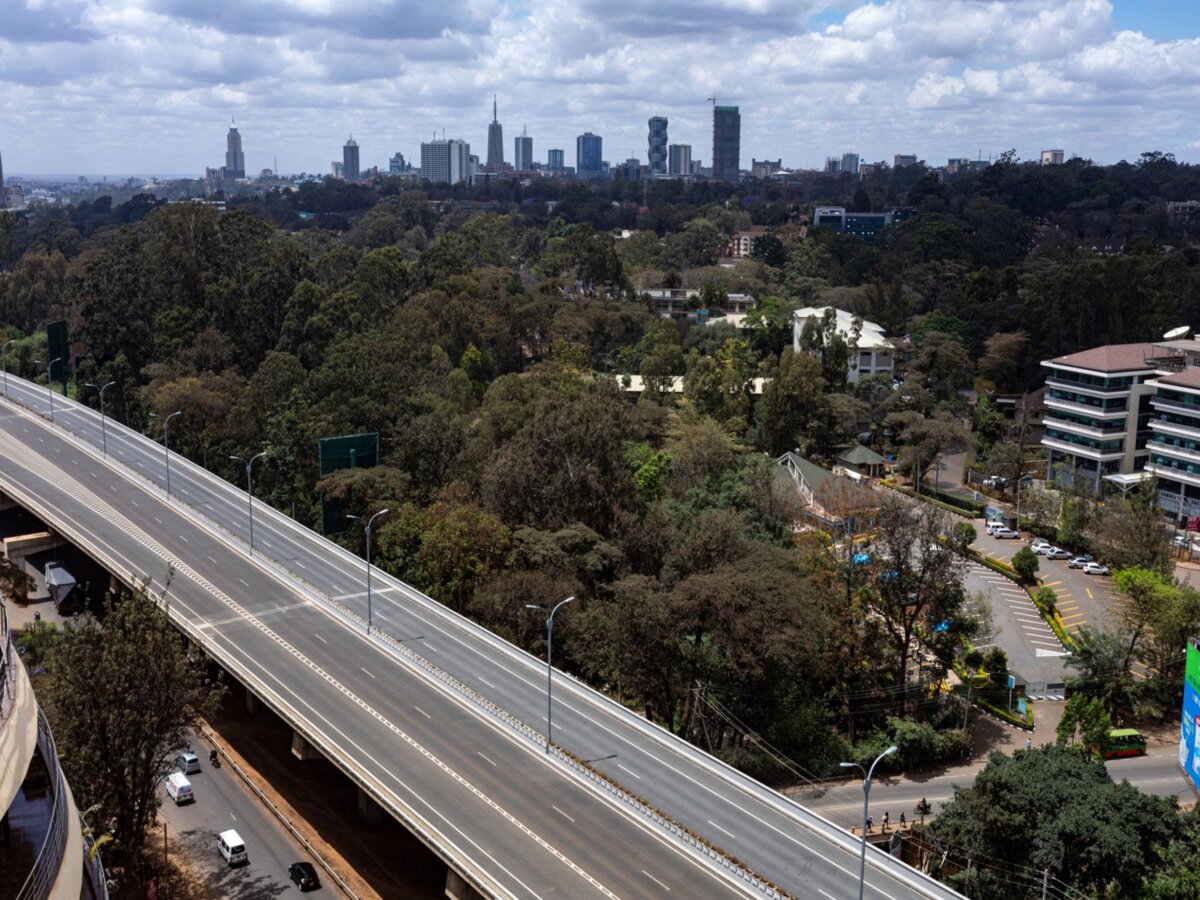
The problem is particularly significant as Africa’s urban population continues to grow. Cities are absorbing millions of new residents, yet many are expanding without the drainage, housing, green spaces and public services needed to cope with increasingly extreme weather.
Coastal Communities On The Frontline
Africa’s long coastline adds another layer to the crisis.
Mozambique is among the countries that have repeatedly faced destructive cyclones and flooding, with coastal communities suffering damage to homes, roads, farms and public infrastructure. The country’s experience demonstrates how extreme weather can overwhelm communities that have limited resources to rebuild after each disaster.
West African coastal cities face similar pressures from flooding, erosion and rising seas. Lagos, one of Africa’s largest urban centres, has extensive communities and infrastructure located close to the Atlantic coast. As sea levels rise and heavy rainfall intensifies, the pressure on drainage and coastal protection systems continues to grow.
For countries whose economies depend heavily on ports, fisheries, tourism and coastal settlements, the consequences extend well beyond individual communities.
The Climate Finance Problem
Perhaps Africa’s biggest challenge is not recognising the problem but paying for the response.
African countries contribute relatively little to historical global greenhouse-gas emissions, yet many face some of the most severe consequences of climate change. At the same time, governments are dealing with poverty, unemployment, debt and major infrastructure shortages.
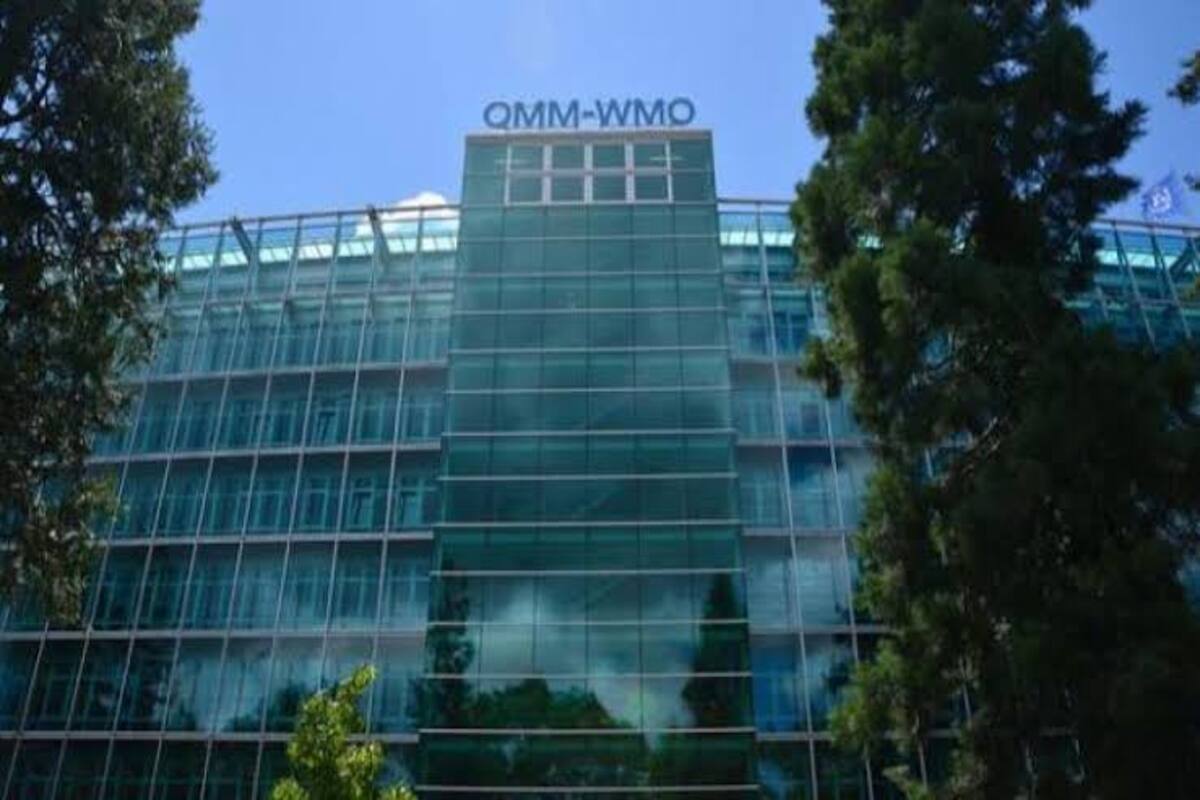
The World Meteorological Organization estimates that African countries lose roughly 2–5 percent of their GDP on average because of climate extremes, while some countries spend as much as 9 percent of their national budgets responding to climate-related disasters.
That has created a vicious cycle. Governments spend scarce resources responding to disasters instead of investing those resources in long-term development.
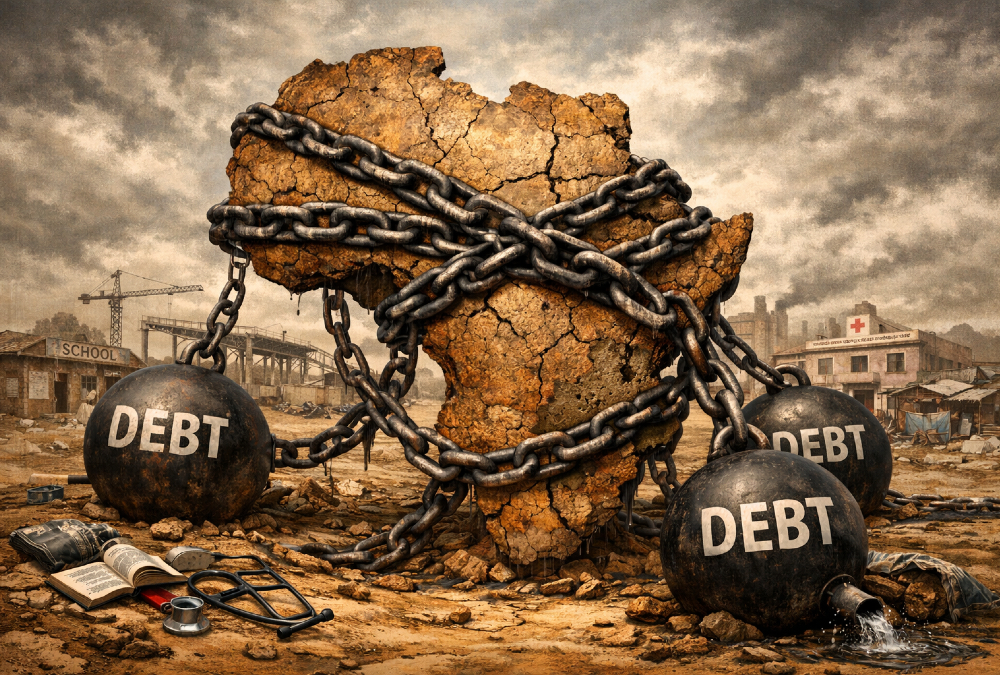
For countries already struggling to finance schools, hospitals, roads and electricity networks, rebuilding the same infrastructure after floods, droughts or storms places another burden on national budgets.
Africa Must Build For The Future
The response cannot simply involve waiting for disasters and acting afterwards.
African governments need infrastructure designed for a changing climate. Roads and bridges need to withstand heavier rainfall. Cities need stronger drainage systems. Farmers need drought-resistant crops, irrigation, insurance and reliable weather information.
Early-warning systems are equally important. When communities receive timely warnings about floods, storms or droughts, governments and emergency agencies have more time to evacuate vulnerable populations and protect critical infrastructure.
A Crisis Can Also Be An Opportunity
Climate change is also pushing Africa to rethink its development model.
The continent has enormous potential in solar, wind, geothermal and hydropower. Kenya has established itself as a major geothermal producer, while countries such as Morocco, Egypt and South Africa are investing heavily in solar and wind energy.
Expanding renewable energy is increasing electricity access in some countries while reducing dependence on fossil fuels. For a continent where hundreds of millions of people still lack reliable electricity, the transition to cleaner energy also represents an opportunity to address one of Africa’s most persistent development challenges.
Africa also possesses minerals critical to batteries, electric vehicles and renewable-energy technologies. The Democratic Republic of Congo, for example, holds some of the world’s most important cobalt resources.
The Cost Of Waiting
The climate crisis is already reshaping Africa,It is visible in Kenya’s pastoralist communities searching for water and pasture, in Zimbabwean farmers struggling after failed rains, in Mozambique’s coastal communities rebuilding after destructive storms and in Nigerian communities recovering from devastating floods.
It is also visible in African cities, where extreme heat, flooding and water shortages are placing additional pressure on infrastructure that was already struggling to keep pace with population growth.
The choice facing African leaders is becoming clearer, Governments that continue reacting to disasters after they happen will face rising recovery costs, while those investing in resilience, better planning and climate-smart development will be better prepared for what lies ahead.
Africa did not create the climate crisis, but it is already paying a heavy price for it.
The continent now faces a difficult balancing act because it must protect vulnerable communities from a changing climate while continuing to create jobs, expand industries, build cities and lift millions of people out of poverty.
That makes climate action more than an environmental obligation. It is a development imperative.





Comments (0)
No comments yet. Be the first to share your thoughts!