


Today, this may seem ordinary. But it was not ordinary when Kenya pioneered it. Long before mobile payments became a familiar feature of everyday life in much of Europe and the United States, Kenya had already demonstrated that a simple mobile phone could become a financial tool for millions of people.
That is one of Kenya's most important technological achievements, yet it is surprisingly easy to overlook.

The M-Pesa Revolution
When Safaricom launched M-Pesa in March 2007, Kenya was not merely introducing another telecommunications product. It was helping to redefine what a mobile phone could do. The idea was revolutionary precisely because it was so simple: people could use an ordinary mobile phone to move electronic money without needing a conventional bank account. Customers could deposit and withdraw cash through agents and send money to other users using their phones.
And Kenyans embraced it at extraordinary speed. Within its first month, M-Pesa had already registered more than 20,000 customers, exceeding its initial expectations. Within 14 months, it had 2.7 million users and almost 3,000 agents.
The rest of the world eventually realised what Kenya had discovered.
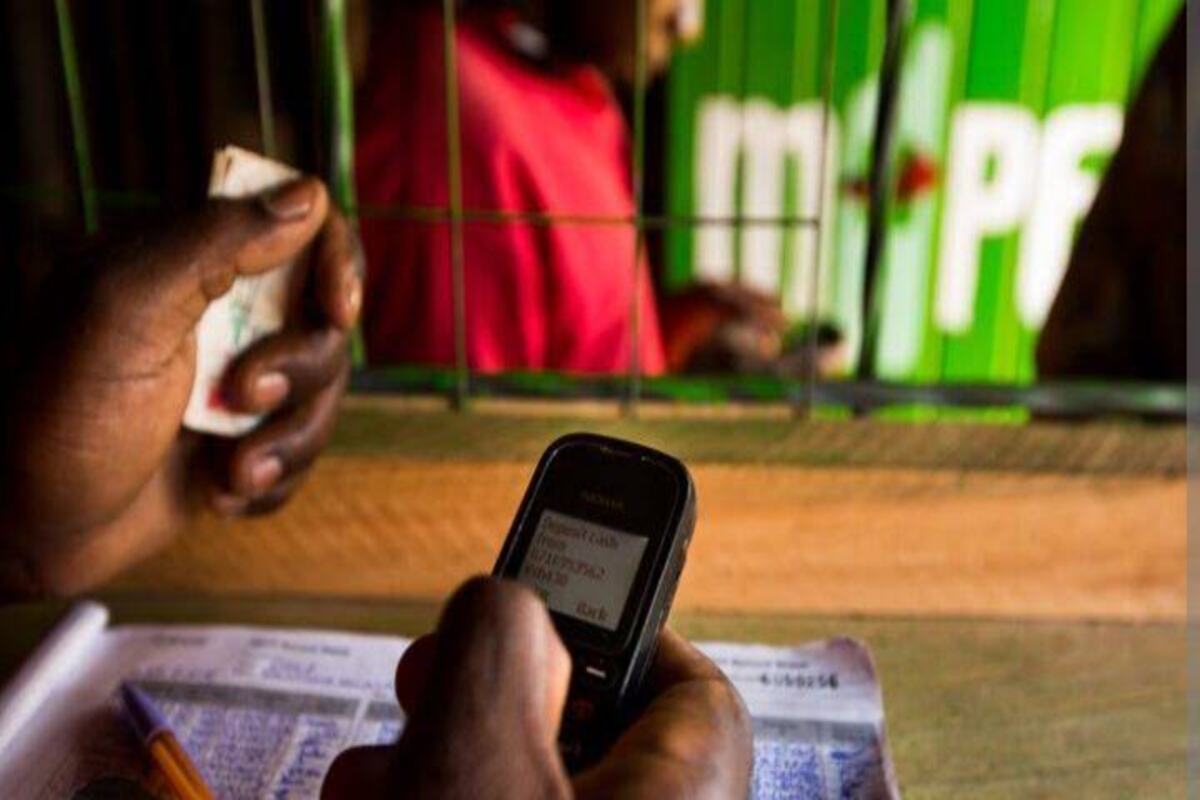
The Kenyan solution was built around the phone people already owned.
Kenya Did Not Wait for Smartphones
Perhaps the most remarkable part of the story is that Kenya achieved this without smartphones. There were no sophisticated apps, no fingerprint scanners, no digital wallets with colourful interfaces and no ubiquitous 4G networks. M-Pesa was designed to work on basic feature phones.
That matters because it challenged a powerful assumption about technological innovation: that the future belongs to countries with the most advanced devices. Kenya demonstrated something different. Innovation could come from designing technology around the needs of ordinary people rather than designing technology simply because more advanced technology was available.
The Kenyan solution was built around the phone people already owned. And it solved a very Kenyan problem. Millions of Kenyans lived and worked far from their families. Money constantly moved from cities to rural areas. Traditional banking infrastructure did not reach everyone, while sending cash through friends, relatives or bus drivers was slower and less secure.
M-Pesa offered another possibility: money could travel electronically. Suddenly, geography became less important. A worker in Nairobi could send money home without travelling. A parent could receive funds from a child working in another town. A small trader could receive payment without requiring a bank terminal. Kenya had effectively created a financial system that could travel wherever the mobile network travelled.
The World Was Still Figuring It Out
This is where Kenya's story becomes particularly interesting. Mobile money existed elsewhere before M-Pesa—the Philippines launched an early service in 2001—so Kenya cannot accurately claim to have invented the concept itself. But M-Pesa became the breakthrough that demonstrated its enormous potential at national scale. GSMA has described the 2007 Kenyan launch as the watershed moment that first demonstrated how mobile technology could transform access to financial services in emerging markets.
That distinction is important. Kenya did not necessarily invent every component of mobile money. Kenya proved that it could work at scale. That is arguably the more important achievement.
By 2010, M-Pesa had reached 9 million customers—around 40 percent of Kenya's adult population—and was processing more domestic transactions than Western Union was processing globally, according to a World Bank analysis at the time. Imagine what that meant. While much of the developed world was still accustomed to bank branches, cards and cash, millions of Kenyans were already using their mobile phones as everyday financial instruments.
The phone was becoming the bank. And the shopkeeper was becoming the branch.
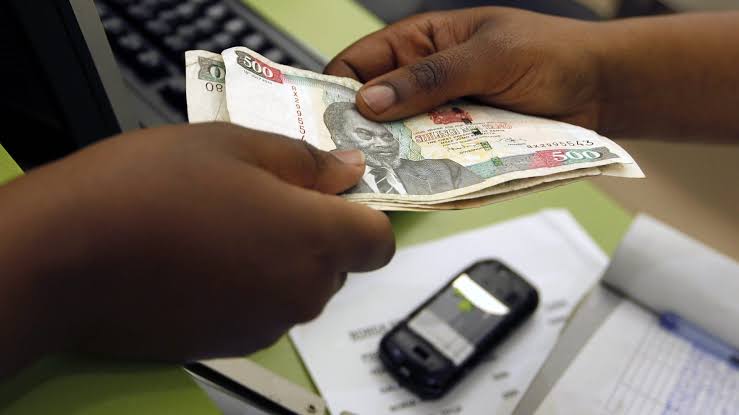
Kenya Built a Bank Without Building Banks
This may be the most brilliant part of the Kenyan model. Instead of constructing thousands of expensive bank branches, the mobile-money system created a network of agents. Small shops became financial access points. The agent network grew rapidly—from thousands of outlets in the early years to tens of thousands. These businesses provided the physical connection between digital money and physical cash.
In other words, Kenya did not simply digitise banking. It reimagined financial infrastructure. A traditional bank asks the customer to come to the bank. Kenya's mobile-money model effectively brought financial services to the neighbourhood.
That was particularly powerful in rural communities where conventional banking infrastructure was limited or expensive to maintain. The World Bank noted that mobile money reached people in areas where banks had found it uneconomical to build branches.
This is why Kenya's achievement deserves to be viewed as more than a successful telecommunications story. It was an infrastructure revolution.

Then Came the World of Fintech
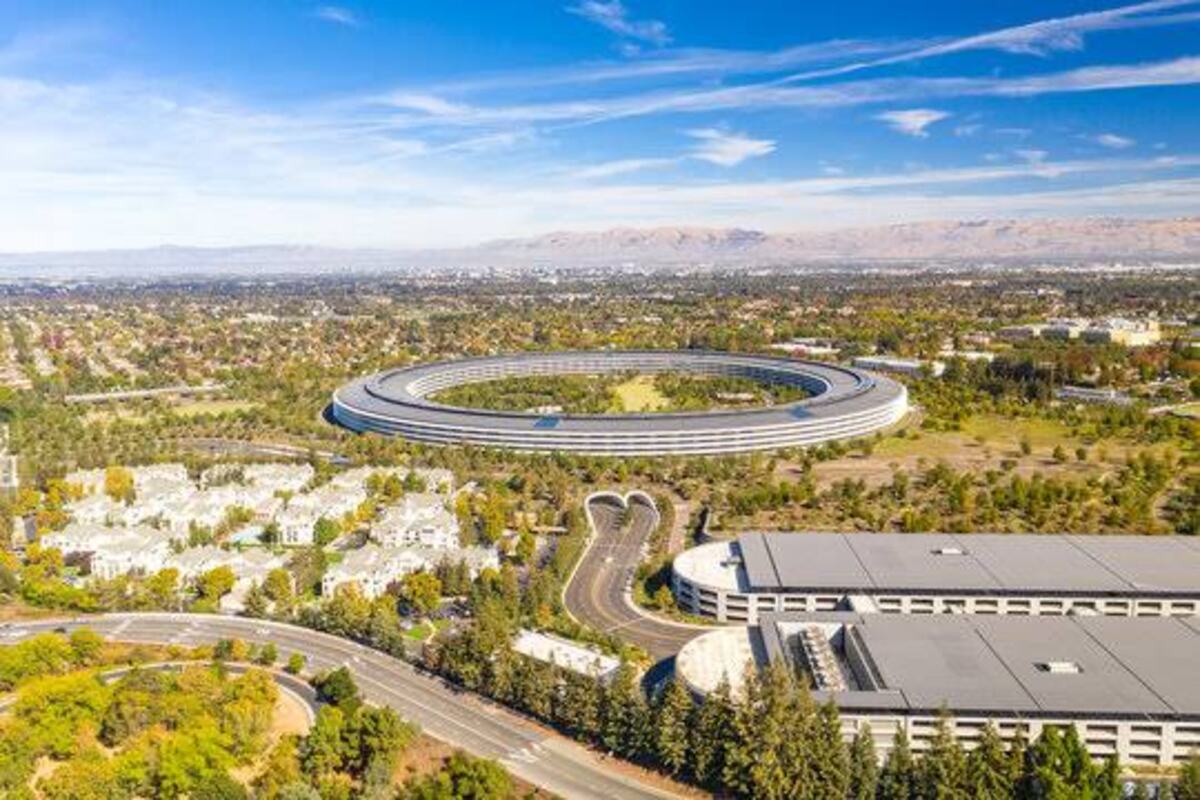
Today, Silicon Valley and financial institutions across Europe and North America talk constantly about fintech, digital wallets, cashless payments and financial inclusion. Those technologies are important. But Kenya was already living parts of that future.
Apple Pay launched in 2014. Google Wallet evolved through the 2010s. Venmo became a major American peer-to-peer payment platform during the 2010s. Kenya had already spent years normalising phone-based money transfers. And perhaps the irony is that a country often described as a developing economy ended up providing a lesson to some of the world's richest economies.
Kenya's Lesson to the World
The greatest lesson from Kenya's mobile-money revolution may therefore have little to do with mobile phones. It is about innovation.
Kenya showed that a country does not have to wait for the richest economies to invent the future. Sometimes the future emerges where the problem is greatest. Where traditional banking was difficult to access, the mobile phone became the alternative. Where bank branches were expensive, small agents filled the gap. Where sending money across the country was cumbersome, a few commands on a basic phone could accomplish it.
Necessity created innovation. And ordinary Kenyans proved willing to adopt it.
That is why Kenya's place in the history of mobile money should not be reduced to a story about M-Pesa. It is a story about a country that found itself at the intersection of telecommunications, finance, entrepreneurship and necessity—and built something the rest of the world eventually recognised as revolutionary. Kenya did not wait for the digital financial future to arrive. It started living it long before.











Comments (0)
No comments yet. Be the first to share your thoughts!