


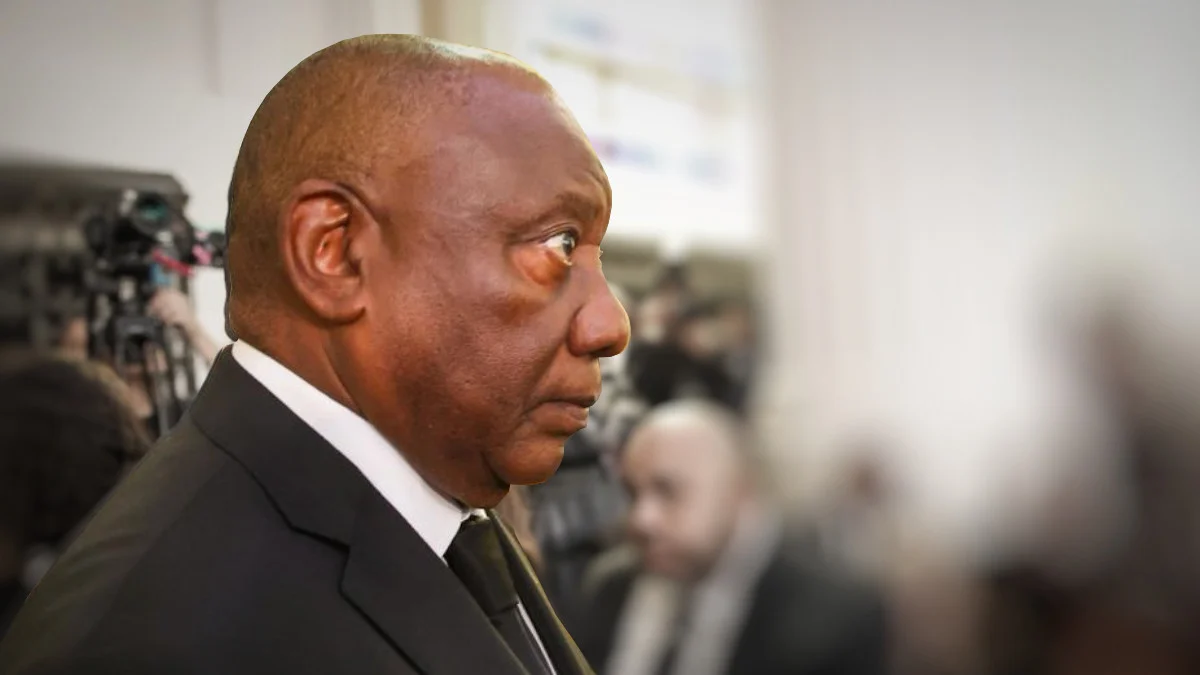
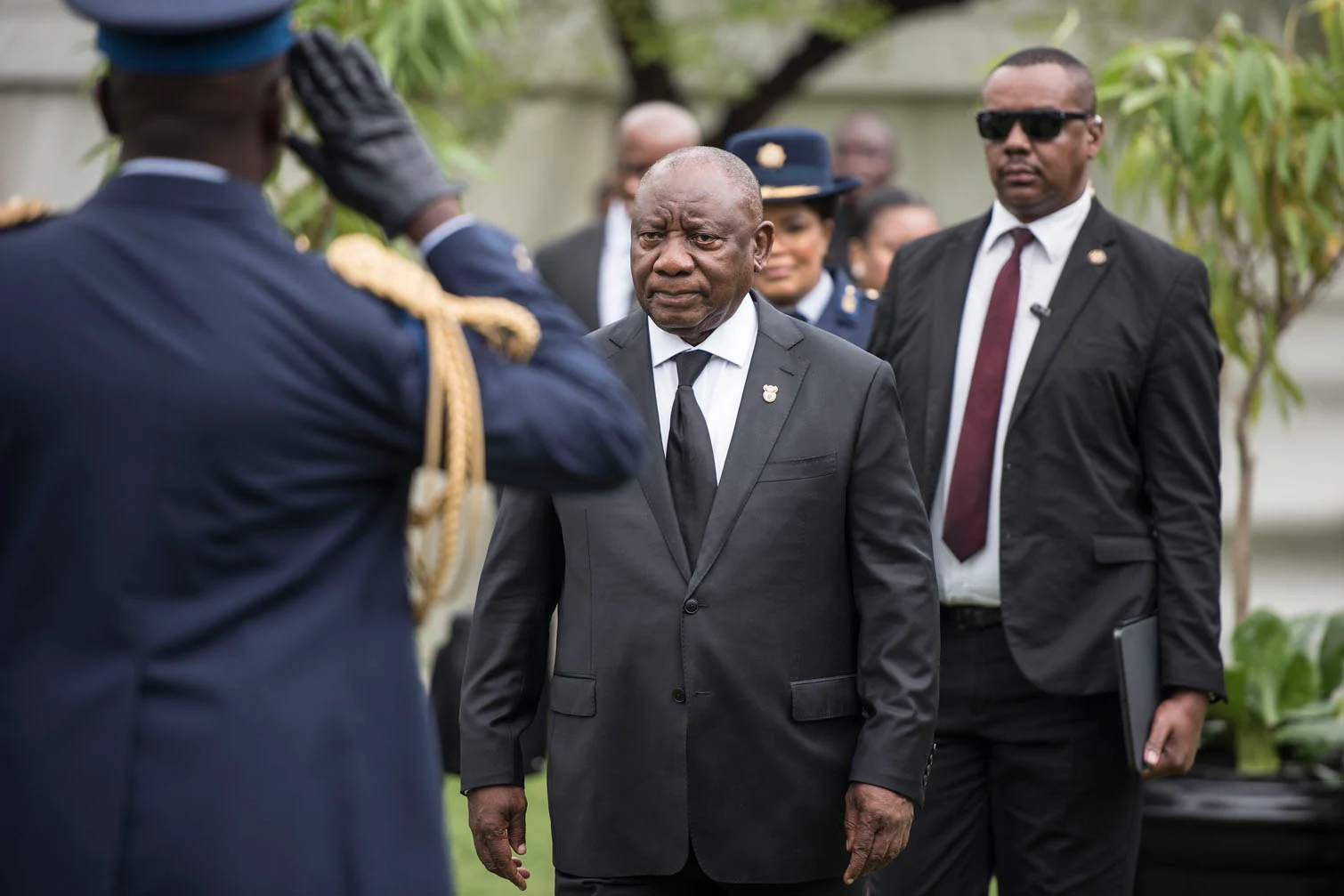
Delivering the keynote address at the First Ordinary Session of the Seventh Legislature of the Pan-African Parliament in Midrand on Monday, 27 July, Ramaphosa said migration had become one of the key issues that Africa must confront if it hopes to achieve greater unity and integration.
"We have seen how unmanaged migration can undermine the sovereignty, security and social order of countries," the president said.
A Sensitive Issue Across the Continent
Ramaphosa's comments come as South Africa continues to grapple with heated public debate over illegal immigration, border security and pressure on public services. He acknowledged that migration remained a sensitive issue across the continent, including in South Africa.

"Today, many parts of our continent are confronted by the challenge of migration," he said.
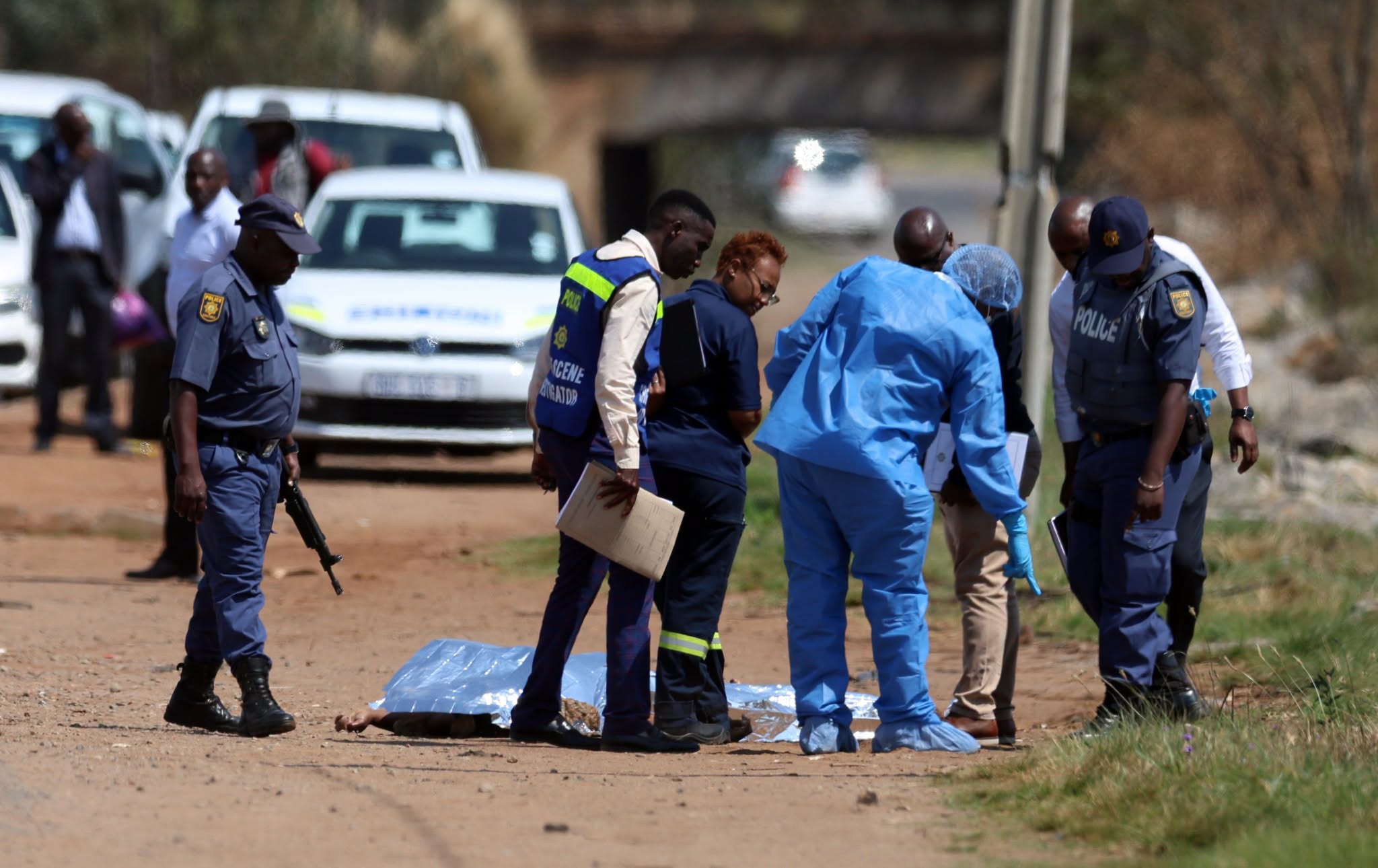
"Here in South Africa, as has been the experience of other countries, we have witnessed outbreaks of anti-migrant sentiment and incidents of intimidation and violence directed at foreign nationals."
He said these incidents had been fuelled partly by "misinformation and prejudice" but also reflected "a genuine concern among some South Africans about the social and economic burden of illegal migration."
Government's Firm Stance Against Violence
Ramaphosa stressed that South Africa rejects violence and vigilantism directed at foreign nationals and said the government remains committed to enforcing immigration laws while protecting people's rights.
"As the South African government, we have taken a firm stance against any form of intimidation, vigilantism or violence directed at foreign nationals," he said.
"We have taken steps to strengthen and enforce our laws, to defuse tension and to ensure that all persons within our borders respect the rights of all."
The president also warned against treating all migrants as though they were in the country unlawfully, saying there is an important distinction between legal migrants, refugees, asylum seekers and those who violate immigration laws.
"We must not conflate lawful migrants, refugees and asylum seekers with people who enter or remain in countries in violation of immigration laws," Ramaphosa said.
He added that migrants should not become convenient targets for broader social and economic frustrations.
"Nor should migrants be made scapegoats for unemployment, crime or shortcomings in the delivery of public services," he said.
Root Causes of Migration
While calling for stronger immigration management, Ramaphosa directed much of his message at African governments, arguing that migration cannot be solved through border controls alone.
He stressed that countries across the continent must work together to address the conditions that force people to leave their homes.
"As African countries, we have to acknowledge and address the conditions that drive migration in the first place," he said.
"We need to work together to address issues like conflict, instability, governance failure, poverty and social discord. We need to create equal economic opportunity across Africa."
He added that African leaders must work for a future where Africans migrate out of choice and not necessity. Ramaphosa said achieving that goal will require stronger cooperation between African countries, greater economic development, improved governance and continued efforts to promote peace and stability across the continent.
A Coordinated Regional Approach
The President's address to the Pan-African Parliament follows weeks of anti-migrant protests in South Africa where xenophobic groups have accused undocumented migrants of fuelling crime, worsening unemployment and placing additional pressure on public services.
Tens of thousands of African migrants have left South Africa over the last two months, with countries including Ghana, Nigeria and Malawi helping to repatriate their citizens. More than 160,000 foreign nationals have departed South Africa over the past two months, according to an AFP tally based on figures from repatriating governments, in one of the country's largest recent migrant exoduses.
Ramaphosa has previously announced that he would send envoys to a number of sister African countries to outline the measures being implemented to manage migration. He has also called on the Southern African Development Community and the African Union to play a role in finding a lasting solution to the migration challenge.
Ramaphosa said the final part of the government's response to the migration challenge is to work with other countries in the region and across the continent. South Africa, he said, will continue working with its sister countries to build an Africa in which people move by choice and not by desperation.
With reporting from BusinessTech, African News Agency, GhanaWeb, Newswatch, Channel Africa, SAnews.gov.za and AFP.



Comments (0)
No comments yet. Be the first to share your thoughts!