

A powerful El Niño is developing in the Pacific and could become one of the strongest on record. For Africa, the warning is not simply about hotter days or less rain. It is about maize, water, electricity, jobs, household budgets and the ability of governments to respond before the worst impacts arrive.

Africa is approaching another major climate test.
A strong El Niño is developing over the tropical Pacific Ocean, and international climate agencies are warning that it could strengthen significantly in the coming months. The World Meteorological Organization said in July that a strong El Niño was developing and expected to intensify between August and October. The U.S. National Oceanic and Atmospheric Administration has since put the probability of a very strong event during the Northern Hemisphere autumn and winter at more than 90 percent.
The term “super El Niño” is widely being used to describe the potential scale of the event, although it is not a formal scientific category. What matters for ordinary people is simpler: a powerful El Niño can disturb normal rainfall and temperature patterns, and Africa is one of the continents where the consequences can be particularly severe.
The African Union has already begun coordinating preparations. In July, the AU warned that the effects could include droughts, floods, heatwaves, water shortages, food insecurity, disease outbreaks and disruptions to energy production.
The biggest question now is not whether Africa will experience unusual weather. It is how severe the effects will be, where they will occur and whether governments and communities can prepare early enough.
What exactly is El Niño?
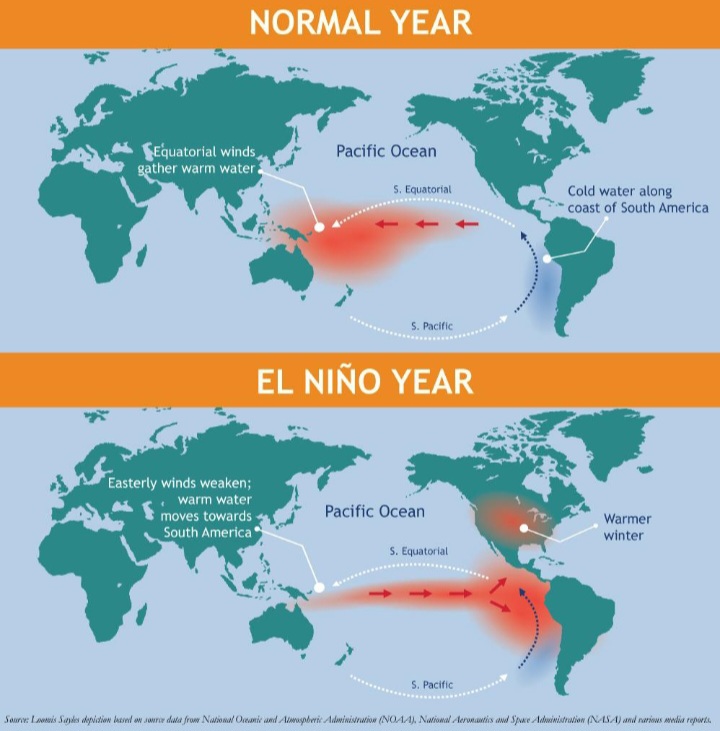
El Niño is a natural climate phenomenon that begins with unusually warm ocean temperatures in the central and eastern tropical Pacific.
Normally, trade winds push warm surface water towards the western Pacific. During El Niño, these winds weaken, allowing warmer water to spread eastward. That shift changes the movement of heat and moisture through the atmosphere.
The result is a worldwide rearrangement of weather patterns where Some countries receive more rain. Others become much drier. Some experience heatwaves, while others face flooding. The effects are not identical during every El Niño, which is why scientists use seasonal forecasts rather than saying that every country will experience the same conditions.
The current event is particularly concerning because it is developing rapidly. WMO said there was an 80 percent probability of El Niño conditions during June–August 2026, rising to around 90 percent through the September–December period.
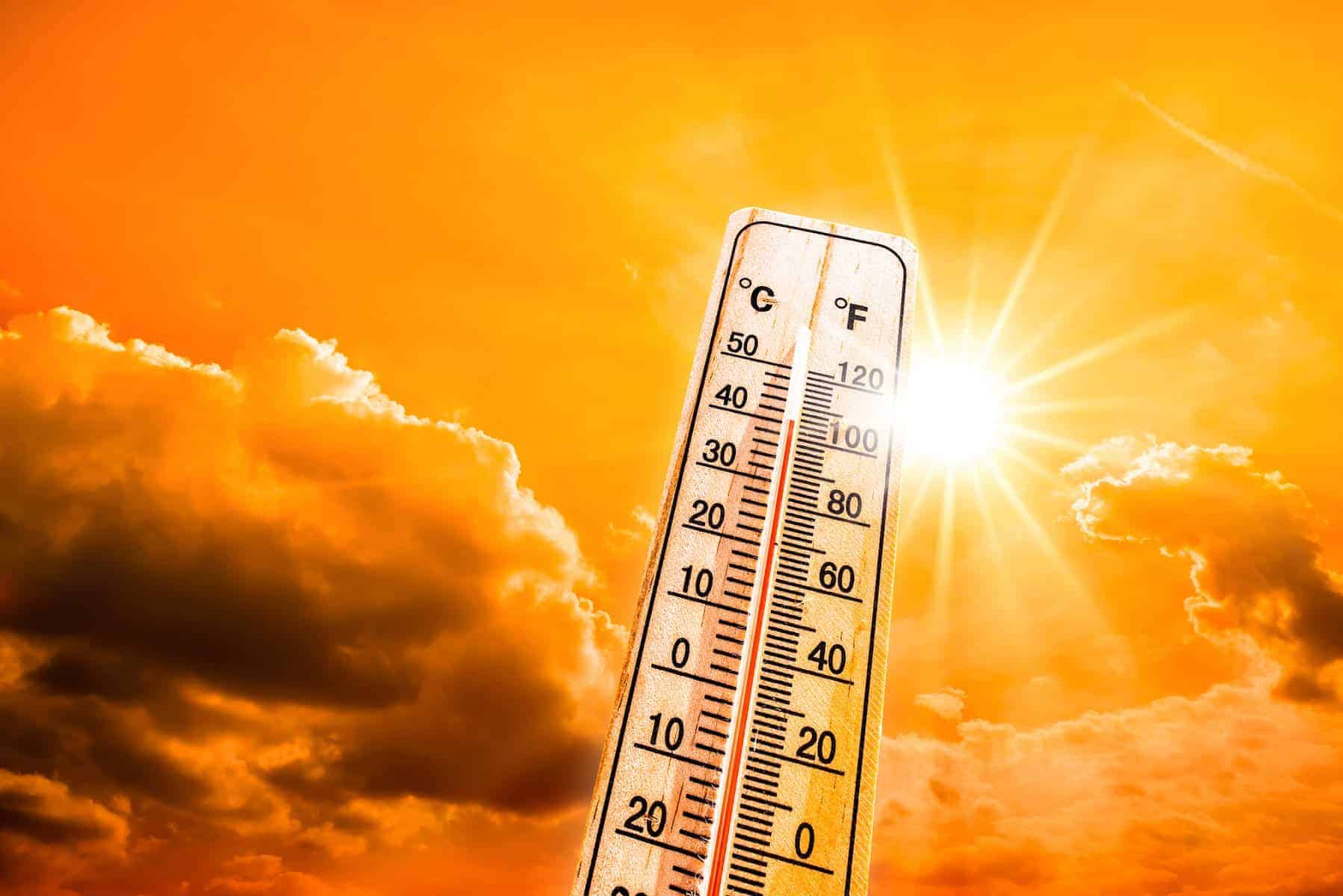
El Niño also arrives on top of a warming planet.That matters because higher background temperatures can make droughts, heatwaves and water stress more damaging. In other words, El Niño is not creating every climate problem from scratch. It can act as an additional shock on systems that are already under pressure.
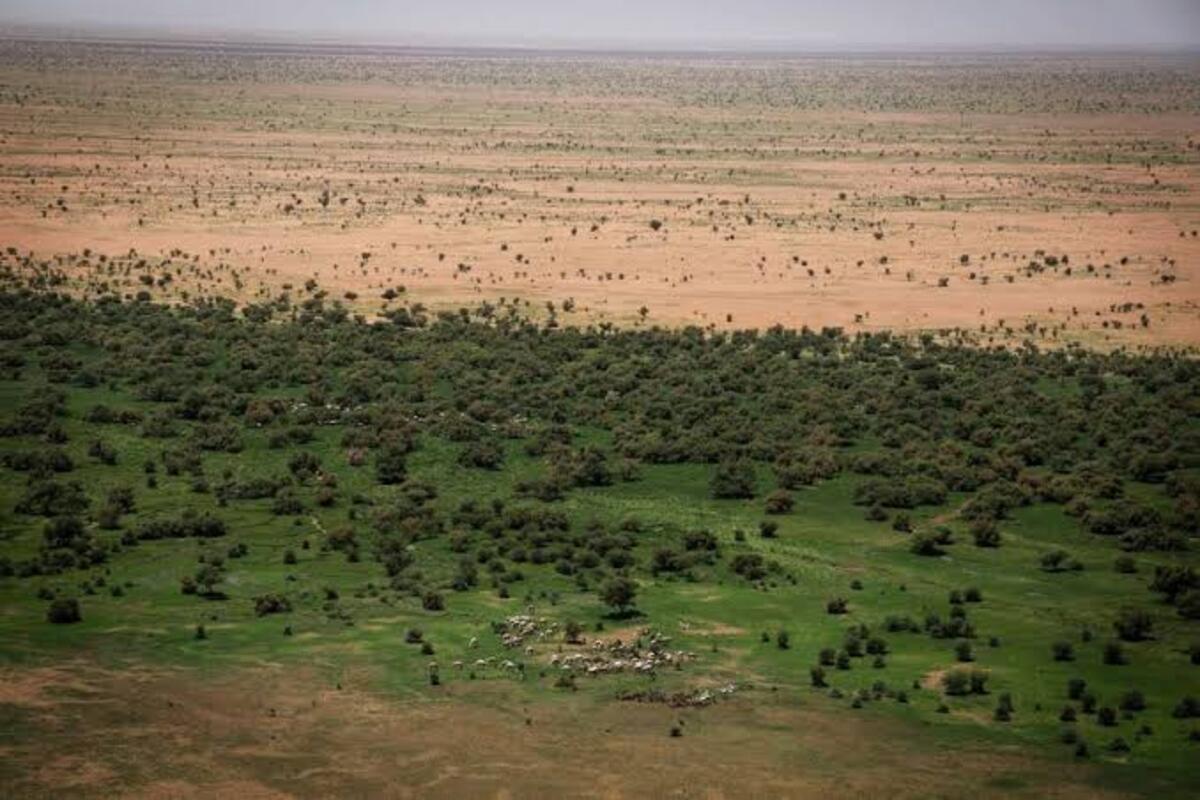
Southern Africa could face the biggest drought risk
For Southern Africa, the greatest concern is the coming rainy season.
Countries such as Zimbabwe, Zambia, Malawi and southern Mozambique have strong historical links between El Niño and below-average rainfall. FEWS NET currently rates the region as having a high level of food-security concern linked to El Niño, with below-average rainfall and extreme heat among the main risks.
This is especially important because agriculture across much of Southern Africa depends heavily on seasonal rainfall.
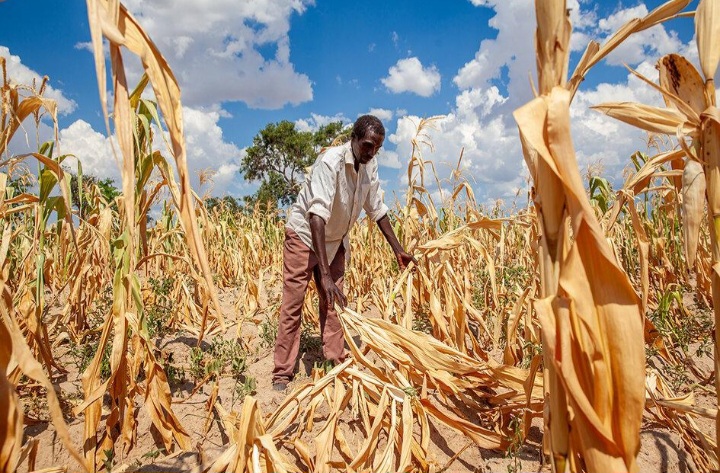
If rains arrive late, stop early or become irregular, farmers can struggle to plant crops at the right time. If rainfall is poor during critical stages of crop growth, yields can fall sharply.
And Africa has recent experience of what this can look like.
During the 2023–24 El Niño, Southern Africa experienced one of its worst droughts in decades. Six countries — Botswana, Lesotho, Malawi, Namibia, Zambia and Zimbabwe — declared national disasters. Agricultural production fell, food insecurity increased and hydropower generation suffered.
The coming season does not automatically mean a repeat of 2023–24. Forecasts can change, and some countries currently have stronger food stocks than they did during previous crises.
But the warning signs are serious enough that governments cannot afford to wait until crops have already failed.
East Africa faces a different problem: drought first, floods later
East Africa is more complicated.
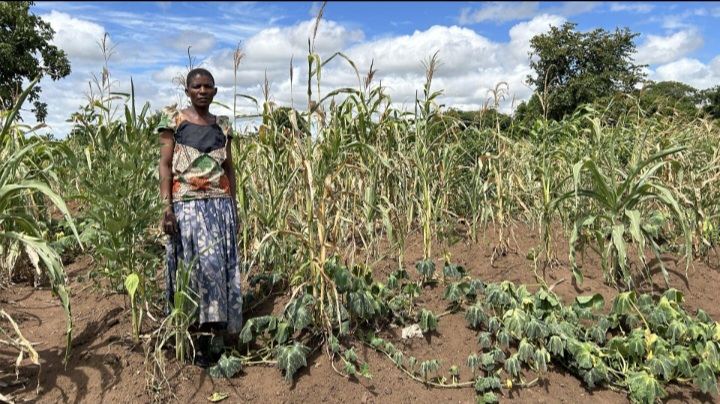
El Niño does not simply mean “less rain” across the region. In parts of East Africa, the danger can shift from dryness to extremely heavy rainfall.
FEWS NET says East Africa faces high food-security concern from El Niño. Western and northern parts of the region are at risk of below-average rainfall during the June–September period, while flood-prone areas of the eastern Horn could face heavy rains later in the year.
That creates a dangerous combination.
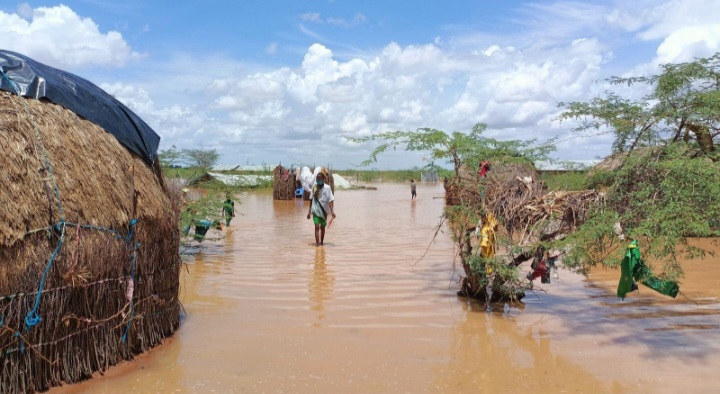
A farmer may first struggle because there is not enough rain to establish crops. Then, months later, intense rainfall can cause flooding that washes away crops, damages roads and destroys stored food.
The risk is particularly significant during the October–December rainy season.
Kenya, Uganda, Somalia and parts of Ethiopia are among the countries being closely watched. In Kenya, authorities have activated disaster preparedness measures ahead of potentially heavier October–December rains.
Ethiopia presents another example of how complicated the situation can become. Forecasts indicate that some southern and southeastern areas could receive above-average to well-above-average rainfall, increasing the risk of flash and river flooding along major river basins.
So Africa should not think about El Niño as one giant drought. It is better understood as a climate disruption that can produce drought in one place and floods in another.
The maize question: why a weather event can become a food crisis
Few crops illustrate the danger better than maize.
For millions of African households, maize is not just another agricultural commodity. It is a staple food, a source of household income and an important part of regional trade.
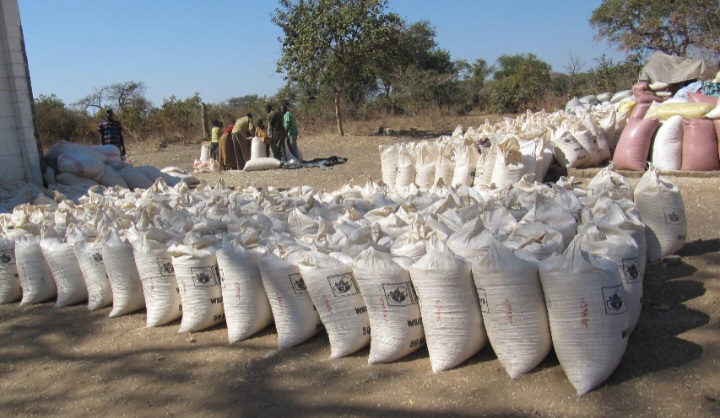
When maize production falls, the consequences spread beyond farmers. Less maize can mean higher prices at markets. Higher prices mean households must spend more money to buy the same amount of food. Poor families are hit hardest because food already takes up a large share of their household budgets.
FAO has warned that maize production in Southern Africa could fall below average if water stress associated with El Niño affects the 2026–27 season.
But the picture is not uniformly negative. The European Commission's Joint Research Centre reported in July that some Southern African countries were actually entering the 2026 season with strong production prospects. South Africa was forecast to produce about 10 percent more maize than its five-year average, while Zambia was forecasting nearly 4.94 million tonnes. Zimbabwe was also expecting an increase.
This is an important reminder: El Niño is a risk, not a guarantee of crop failure.
What happens next will depend heavily on where and when rainfall occurs.
Still, markets can react to fear before actual shortages appear. Traders may begin preparing for tighter supplies, while households may face higher transport and production costs.
FEWS NET already reports elevated maize prices in countries including Malawi and Mozambique, while some markets in Zambia and Zimbabwe have benefited from better harvests.
In Kenya, meanwhile, a recent East African analysis warned that the country could face a maize deficit of nearly 486,000 tonnes by the end of September 2026, increasing pressure on imports and domestic prices.
Food prices could become the real shock
Climate disasters rarely stop at the farm gate.
A poor harvest can affect millers, transporters, traders, food manufacturers and retailers. If farmers produce less, markets have less food to move. If roads are damaged by floods, transportation becomes more expensive. If fuel prices remain high, those costs are passed through the supply chain.
That is how a climate event becomes an inflation problem.
The African Development Bank's climate chief has estimated that a severe El Niño could cost Africa between $10 billion and $20 billion, with some of the hardest-hit economies potentially losing 1–2 percent of GDP. He also warned that maize prices could potentially double in some vulnerable countries.
The exact economic cost is impossible to know in advance. But the mechanism is straightforward: lower agricultural output, higher transport costs, damaged infrastructure and increased demand for imports can all push prices higher.
And this could happen while many households are already struggling with high living costs.
Water could become the next pressure point
Food is only one part of the story.
Drought also affects drinking water, livestock, irrigation and industry.
When reservoirs fall, cities and rural communities can face water restrictions. Farmers may have less water available for irrigation. Pastoralists may be forced to move livestock farther in search of grazing and water.
The consequences can become particularly serious in countries where infrastructure is already under pressure.
In Ethiopia, for example, FEWS NET expects water and pasture availability in some northern and central pastoral areas to deteriorate unusually early if rainfall remains below average.
Floods create the opposite problem but can be equally destructive.
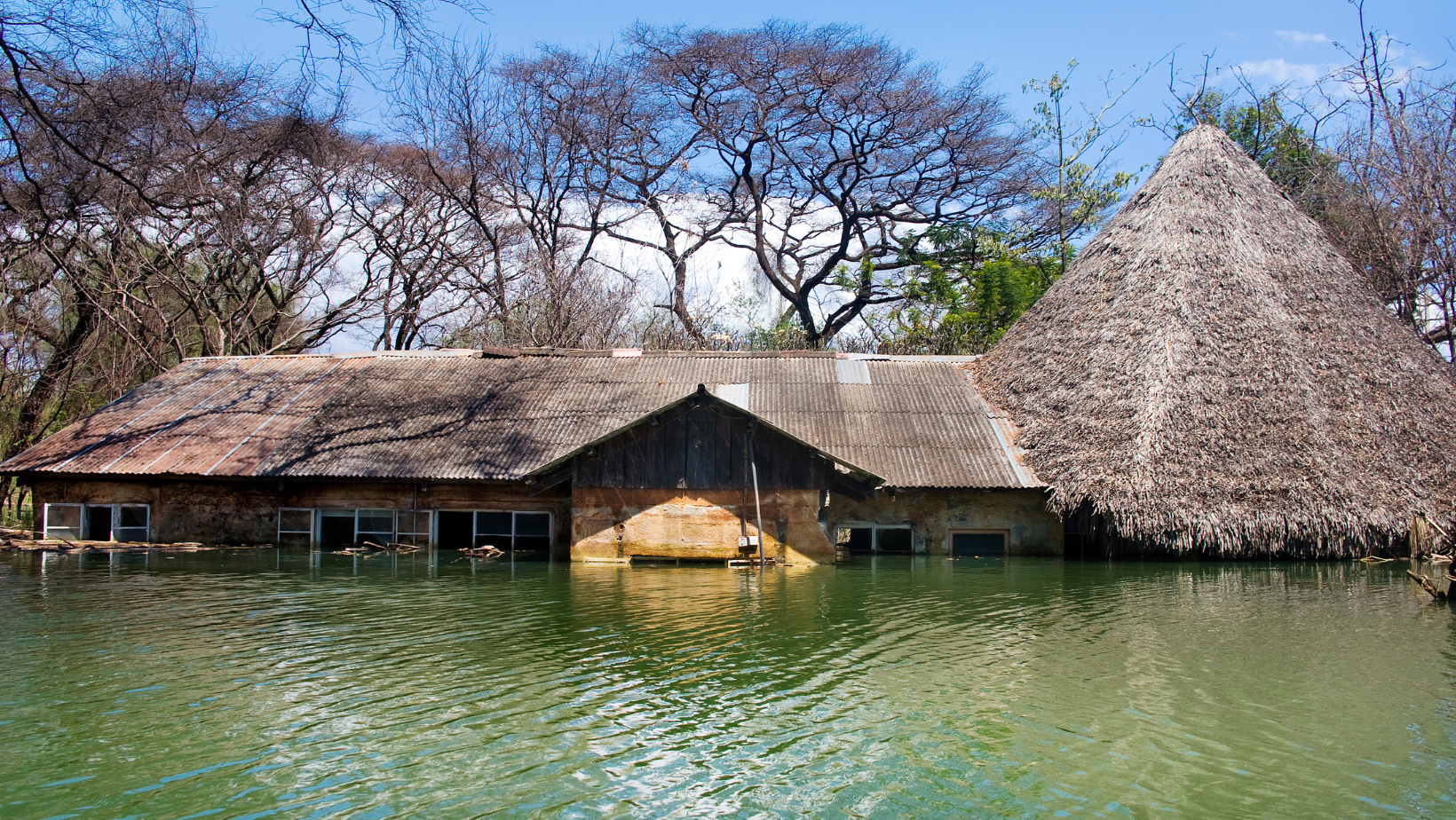
Dirty floodwater can contaminate drinking-water sources. Flooding can damage sanitation systems and increase the risk of waterborne disease. Roads and bridges can become impassable, cutting communities off from markets, schools and health facilities.
So the continent may face a strange contradiction: too little water in some places and too much water in others.
Electricity is another major concern
One of the least discussed consequences of drought is electricity.
Several African countries depend heavily on hydropower. When rivers and reservoirs fall, electricity generation can decline.
Zambia provides a clear example.
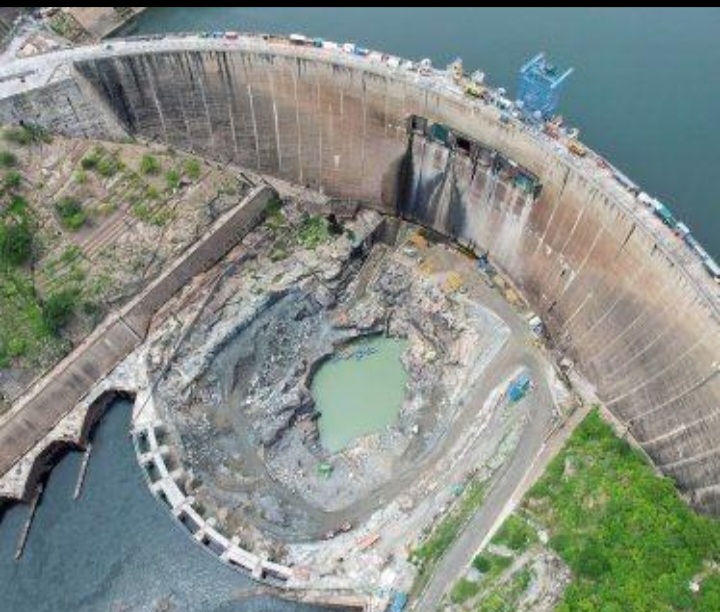
The country suffered severe power shortages during the previous drought because of reduced water availability for hydropower. By June 2026, water storage in Lake Kariba had recovered significantly, helping ease pressure on electricity generation. But scientists are warning that another El Niño could once again threaten rainfall in the Zambezi basin.
That creates a difficult cycle. Less rainfall can mean less hydropower. Less electricity can increase the cost of running businesses. Companies may reduce production or rely on expensive generators. That can affect jobs and prices.
The effect can spread far beyond the countryside.
A farmer needs electricity to process produce. A factory needs power to operate machinery. A shop needs power to keep equipment running. A hospital needs reliable electricity for essential services.
This is why El Niño is not simply an agricultural story.
What are African governments doing?
The encouraging news is that governments and regional institutions are not starting from zero.
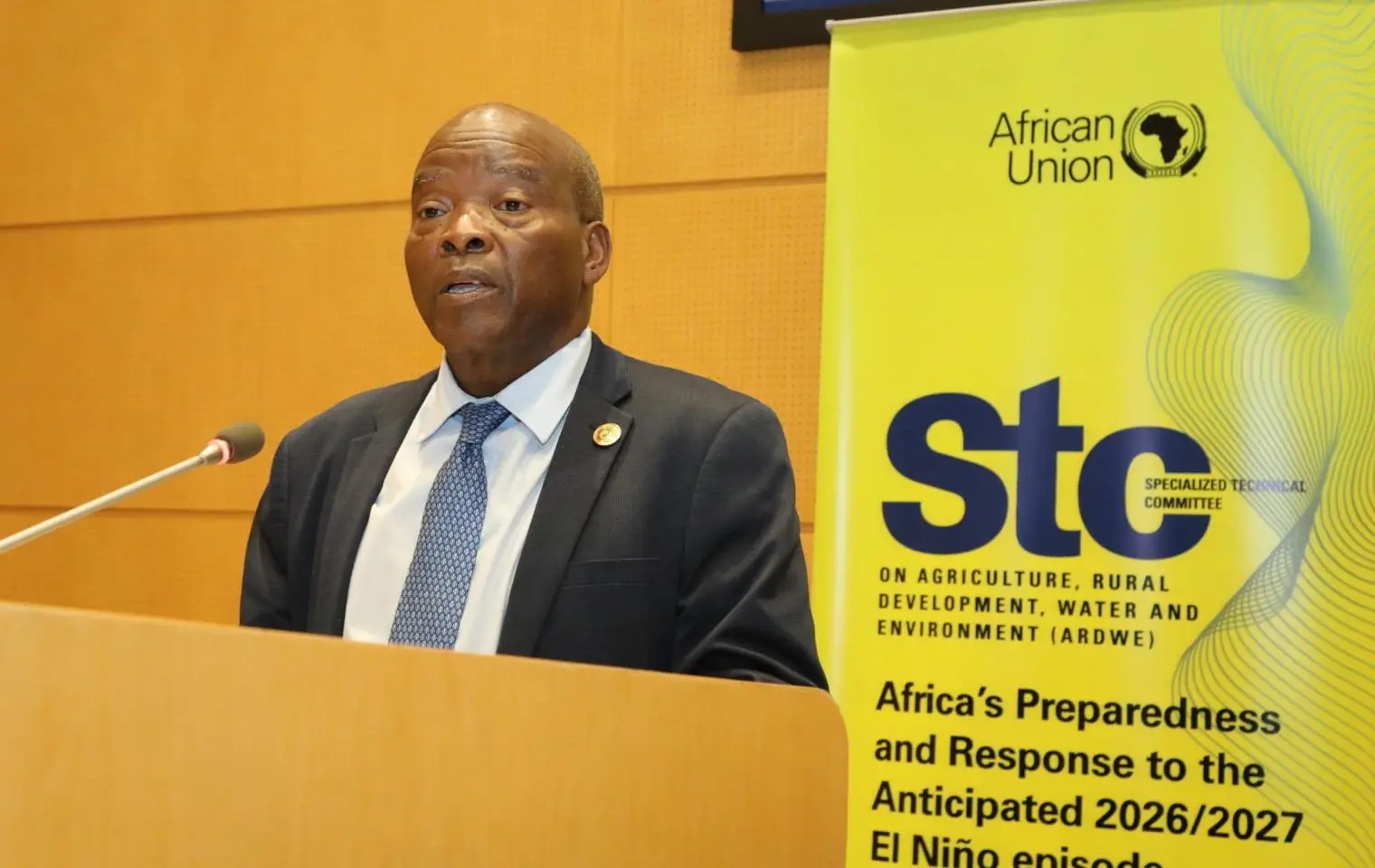
The African Union has been coordinating continental preparations, bringing together governments, regional economic communities, meteorological agencies, humanitarian organisations and climate experts. In June, the AU and partners held a continental climate forum specifically focused on preparing Africa for El Niño 2026–27.
The AU has also called for early action based on forecasts rather than waiting for disasters to occur.
That approach is important.
If governments know months in advance that a region could face drought, they can position food stocks, prepare water supplies, support farmers with appropriate seeds and livestock measures, inspect dams and strengthen emergency response systems.
If flooding is expected, authorities can clear drainage channels, prepare evacuation centres, pre-position relief supplies and warn communities living near rivers and flood-prone areas.
WFP says it and its partners are already taking anticipatory action, including preparations for droughts and floods, because acting before a crisis generally reduces the humanitarian cost.
But preparedness also has to reach ordinary people. A national plan is only useful if warnings reach the farmer, trader, family or small business that needs to act on them.
What ordinary Africans should prepare for
For households, preparation does not mean panic-buying food or assuming that every country will experience a disaster.
It means paying attention to reliable weather warnings and preparing for the specific risks in your area.
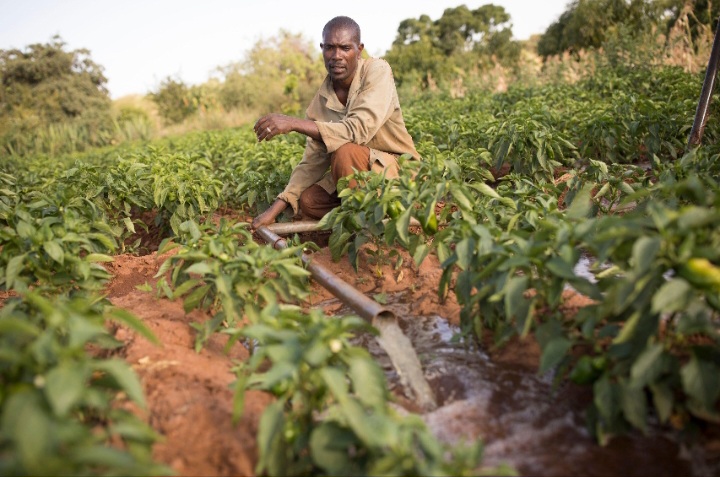
Farmers should follow seasonal forecasts and local agricultural advice rather than relying only on traditional expectations of when rains will arrive. Where possible, they can consider drought-tolerant crops, water conservation, soil-moisture practices and diversified income sources.
Households in flood-prone areas should know where they would go if evacuation became necessary. Important documents should be protected from water, and families should avoid building or storing valuables in areas known to flood.
Where water shortages are possible, households can plan how they will store safe water and reduce unnecessary consumption.
Small businesses should also think about electricity—Businesses that depend heavily on power or refrigeration can review backup arrangements and protect essential equipment where possible. Farmers and traders should consider how a poor harvest, higher transport costs or electricity interruptions could affect their income.
And consumers should understand that food prices may move unevenly.Not every staple will rise at the same time, and not every country will experience shortages. But when weather damages production or transport, prices can change quickly.
The biggest lesson: Africa still has time
The most important fact about this El Niño is that the worst impacts have not happened yet.
That is precisely why preparation matters.
WMO says forecasts provide a window for early action. The African Union is urging coordinated preparedness. FAO is calling for anticipatory action on agriculture and food security. FEWS NET is tracking regional risks, while WFP is preparing humanitarian responses.
There is also an important lesson from the previous El Niño.
Africa should not wait for empty reservoirs, failed crops, rising food prices and displaced families before responding.
The 2023–24 experience showed how quickly a climate shock can move from the weather system to the economy and then into people's homes. Southern Africa suffered drought, crop losses and power shortages, while parts of East Africa experienced devastating floods.
The coming event could be different. Some countries may have good harvests. Some regions may even receive beneficial rainfall.
But the risks are large enough to demand attention. A warning, not a prophecy
Calling the coming event a “super El Niño” can make it sound as though disaster is guaranteed.
Climate forecasts describe probabilities, not certainties. Even during a strong El Niño, rainfall varies from place to place. Good government planning, strong food stocks, functioning markets, resilient infrastructure and early humanitarian action can substantially reduce the damage.
That is why the most useful way to view the 2026–27 El Niño is not as a prophecy of catastrophe. It is a warning window.
Africa has several months in which governments can strengthen food systems, farmers can adjust plans, communities can prepare for floods and drought, and businesses can reduce their exposure to power and water disruptions.
The Pacific Ocean may be thousands of kilometres away from Africa. But the heat building there could eventually show up in a farmer's field, a family's food bill, a company's electricity costs or a city's water supply.
The question is therefore no longer simply, “Will El Niño affect Africa?”
The more important question is: “How prepared will Africa be when it does?




Comments (0)
No comments yet. Be the first to share your thoughts!