


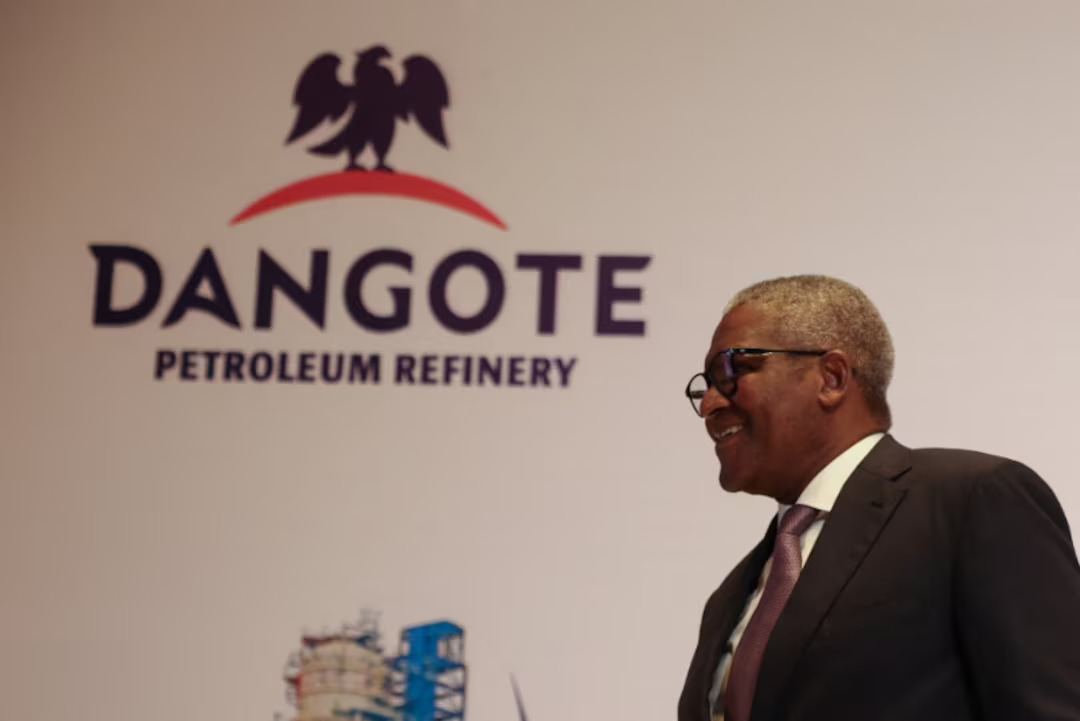
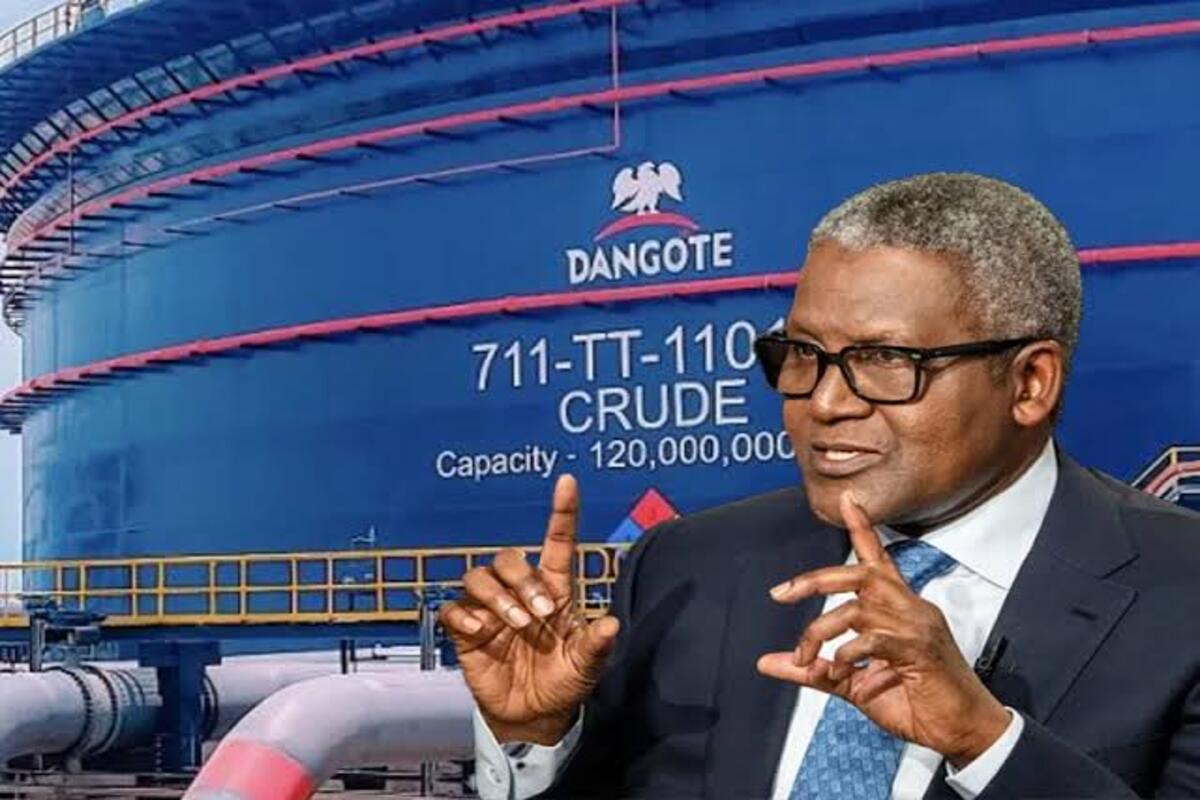
The Dangote Petroleum Refinery and Petrochemicals is offering 4.1 billion ordinary shares at N525 each, with the subscription period running from September 14 to October 13, 2026. Retail investors can participate with a minimum purchase of just 10 shares, valued at N5,250.
A Historic Moment for Nigeria's Capital Market
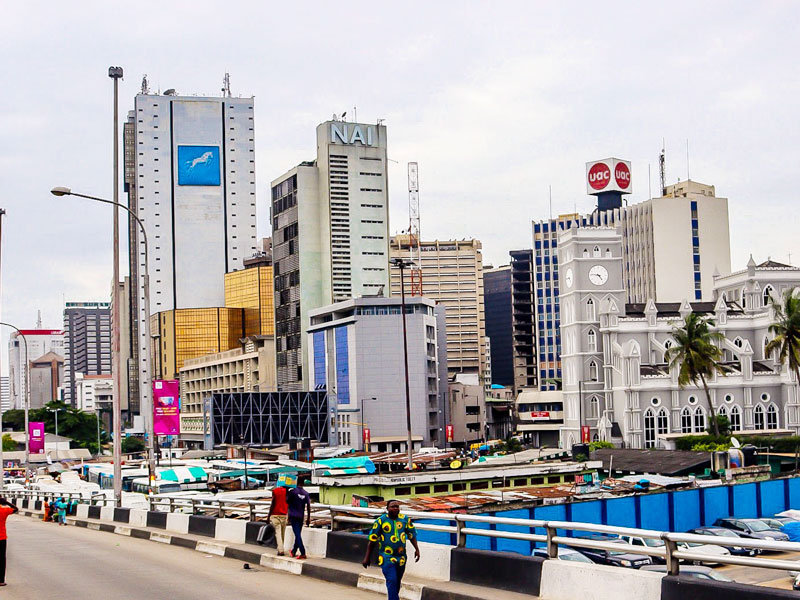
The ceremony at the Nigerian Exchange in Lagos marked a milestone for the 66-year-old exchange: Dangote Refinery became the first refinery ever offered to investors on the Nigerian stock market. Aliko Dangote himself sounded the gong to formally open the offer, describing it as "the beginning of a new chapter in the history of Dangote Refinery and indeed, in the economic future of our nation."

The transaction values the refinery at approximately $49 billion, which would make it the single largest company on the NGX by a wide margin once listed. Analysts estimate the refinery could account for roughly a quarter of the exchange's total market capitalisation.
"This offering is about more than raising capital; it is about creating an opportunity for ordinary Nigerians, Africans and investors across the globe to participate directly in one of the most transformative industrial projects ever built on the continent," Dangote said.
The Expansion Plan: From 650,000 to 1.4 Million Barrels Per Day
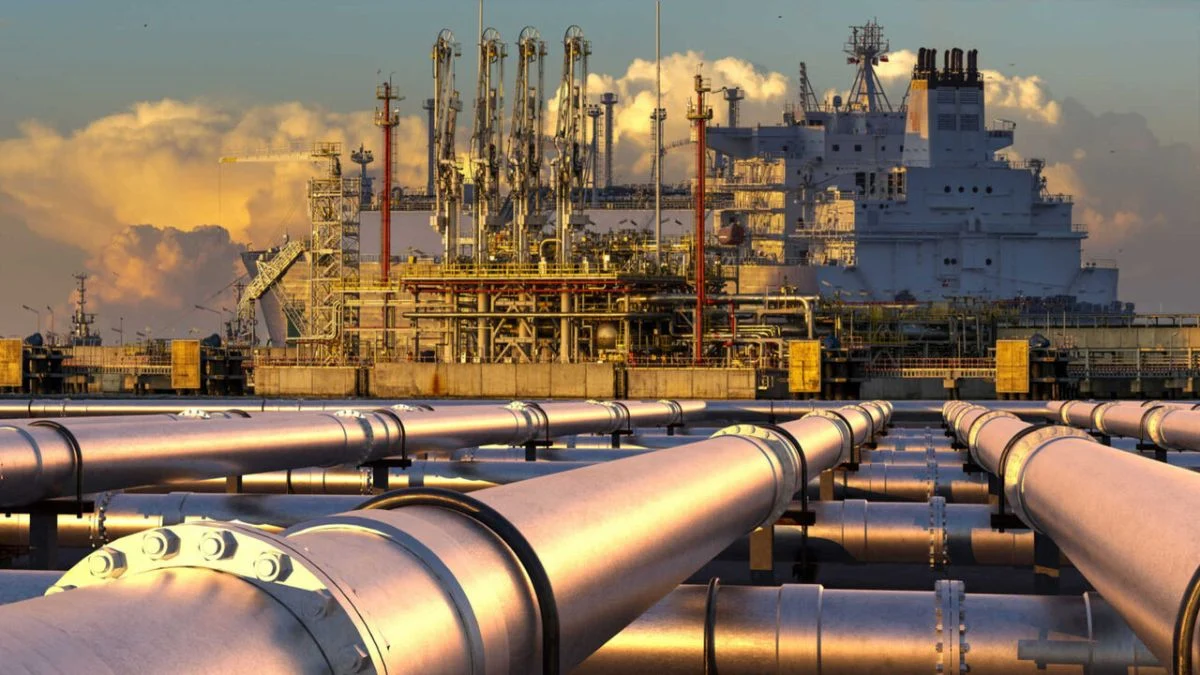
The refinery, which began operations in 2024, currently processes around 650,000 barrels of crude oil per day. Proceeds from the IPO will support plans to double capacity to about 1.4 million barrels per day within the next two and a half years.
If realised, that expansion would make the Dangote refinery the world's largest refinery, surpassing India's Reliance Jamnagar complex. Dangote told CNN that after reaching that capacity, the company plans to seek a listing on a US stock exchange to broaden its investor base further.
Dollar Dividends: A Powerful but Risky Pitch
One of the most notable features of the IPO is Dangote's pledge that investors may receive dividends in US dollars. The refinery's business model is substantially dollar-linked, given that crude oil and refined products are priced internationally.
For Nigerian investors, this offers a measure of protection against naira depreciation. But some analysts warn that the promise also reveals something uncomfortable: when a company must promise its own citizens returns in a foreign currency to persuade them to hold its shares, it signals that the local currency is not seen as a reliable store of value.
"You buy in naira, but you get your dividends in dollars," Dangote said, describing it as a way to preserve value despite exchange rate fluctuations.
Transforming Nigeria's Energy Landscape
The refinery has already begun reshaping Nigeria's downstream oil sector. Before its launch, Nigeria—despite being Africa's largest crude producer—was almost entirely dependent on costly imported refined petroleum products. The Dangote refinery now meets nearly 80 percent of domestic petrol demand and has made Nigeria an exporter of refined fuels.
The refinery has also become a significant supplier of jet fuel to Europe, with exports reaching the Amsterdam-Rotterdam-Antwerp trading hub. By June 2026, nearly half of its export cargoes consisted of jet fuel destined for European markets, directly challenging established suppliers from Kuwait, India and the United States.
The Economist Intelligence Unit noted that the refinery's operations have strengthened Nigeria's balance of payments through lower import demand and rising exports, and contributed to S&P Global Ratings' upgrade of Nigeria's sovereign credit rating—the first in 14 years.
Questions of Ownership and Valuation
Despite the IPO's retail-friendly framing, Dangote will retain approximately 87 percent ownership of the refinery after the offering. Some analysts have questioned whether an IPO that places only about 3 percent of the company in public hands can truly be described as "for the people."
The refinery's $49 billion valuation has also drawn scrutiny. That figure is more than twice what it cost to build the facility, and sits at a steep premium to traditional global refining benchmarks, which typically price capacity at $15,000 to $30,000 per barrel per day. Dangote officials have denied that the valuation is inflated, pointing to the refinery's vertical integration and regional market dominance.
What Comes Next
The success of the IPO will be closely watched as a test of whether Africa's domestic savings pools can finance industrial projects of this scale without relying on foreign capital. Domestic investors accounted for 89 percent of NGX participation in the first half of 2026, but this offering requires fresh money rather than recycled allocations.
For Dangote, the ambition extends beyond Nigeria. The group has proposed building a $17 billion refinery in Lamu, Kenya, and a 1.6-million-barrel storage terminal in Walvis Bay, Namibia, to supply fuel to Botswana, Zimbabwe, Zambia and parts of South Africa.
"You are buying the future," Dangote told prospective investors. "You are not investing in a story. You are investing in an operating business with significant assets, revenues and growth opportunities."
The offer closes on October 13, 2026, with listing on the NGX expected in November.
With reporting from CNN, Bloomberg, Reuters, Nairametrics, BusinessDay, TheCable, Premium Times, The Economist Intelligence Unit and the Nigerian Exchange Group.












Comments (0)
No comments yet. Be the first to share your thoughts!