


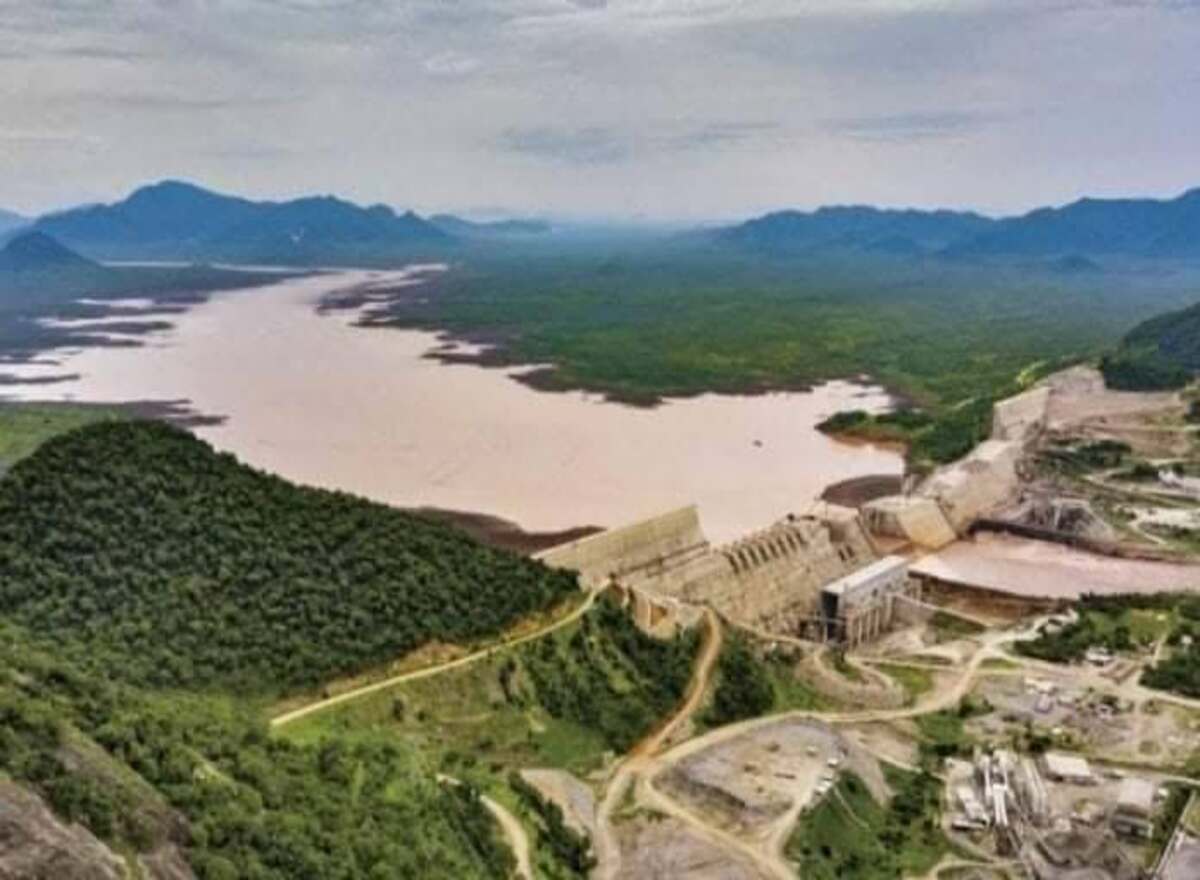
However, the completion of GERD has not ended the disagreement between the two countries. Instead, reports that Ethiopia could advance three additional hydropower projects on the Blue Nile — Karadobi, Mandaya and Beko Abo — are opening a new chapter in the dispute.
Together, the proposed projects have been reported to have a potential generating capacity of about 5,700 megawatts, although their designs and specifications could still change. Furthermore, their development would reinforce Ethiopia’s ambition to turn its enormous hydropower potential into a foundation for economic growth and regional electricity exports. For Egypt, however, the concern goes beyond the construction of individual dams. Cairo is increasingly focused on what a future network of large reservoirs and hydropower facilities could mean for the management and flow of the Blue Nile downstream.

A New Chapter In The Nile Dispute
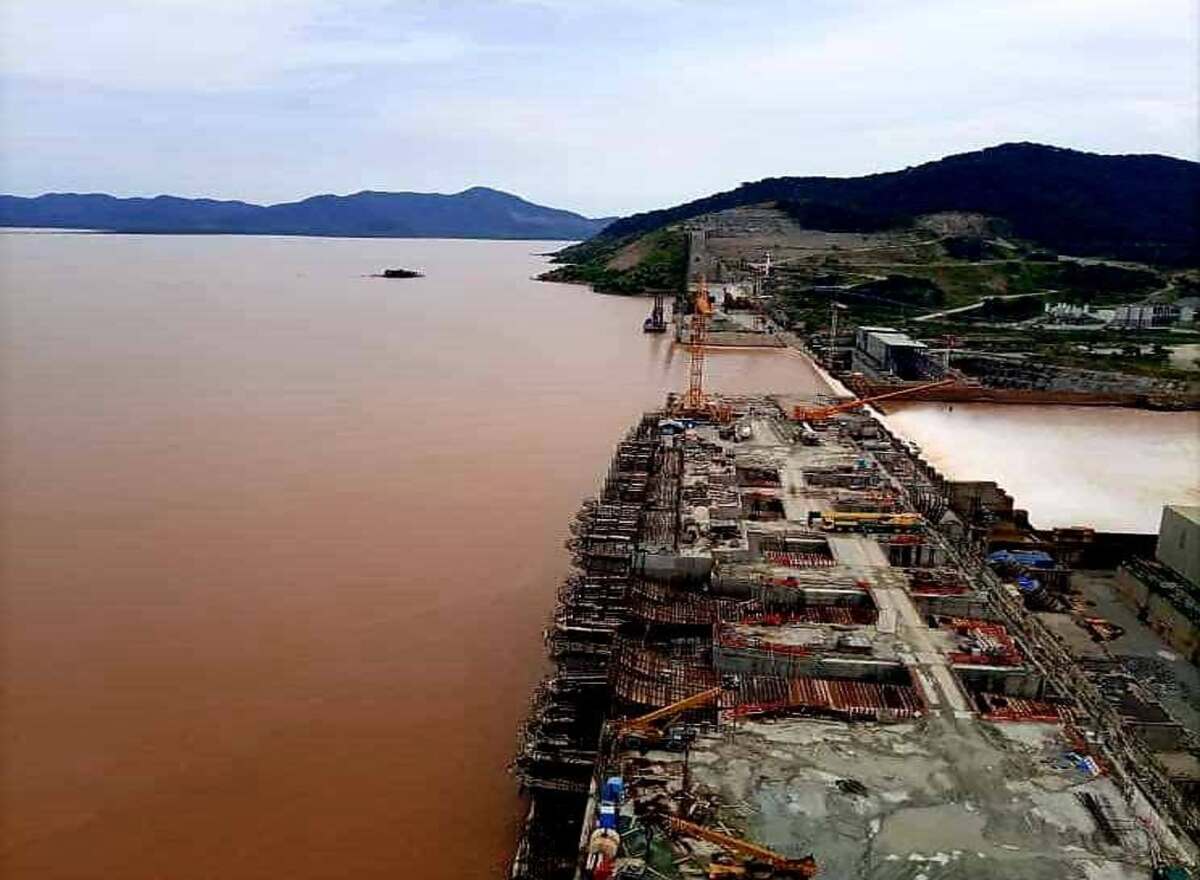
The GERD fundamentally changed the balance of power around the Nile. For decades, Egypt had enjoyed considerable influence over discussions surrounding the river, partly because of its historical dependence on the Nile and longstanding water agreements. Ethiopia, however, increasingly challenged the idea that historical arrangements should prevent an upstream country from developing its own water resources. The construction of GERD became the clearest demonstration of that changing relationship, as Ethiopia proceeded with the project despite sustained opposition from Cairo.
Ethiopia presented the dam primarily as a development project designed to expand electricity generation and support economic transformation. The country has enormous hydropower potential, yet millions of people have historically lacked reliable access to electricity, making energy development a major national priority. Egypt, on the other hand, feared that the filling and operation of GERD could affect water reaching its territory, particularly during prolonged periods of drought. Consequently, years of negotiations involving Egypt, Ethiopia and Sudan failed to produce a comprehensive agreement governing the long-term operation of the dam.
With GERD now operational, therefore, Cairo faces a more complicated challenge. The question is no longer simply how the first major Ethiopian dam will affect Egypt, but how several projects could collectively influence the river. In addition, the prospect of further construction raises questions about data sharing, drought management, water releases and the ability of the three countries to coordinate during periods of severe water stress.
Why The Next Dams Matter To Egypt
Egypt’s concern is not necessarily that every additional Ethiopian dam would automatically reduce the volume of water reaching its territory. Rather, Cairo is increasingly worried about the cumulative effect of infrastructure along the Blue Nile and the greater control it could give Ethiopia over the timing and management of water releases. A series of reservoirs could allow Ethiopia to regulate flows more extensively, particularly during periods when rainfall and river levels are unusually low. For Egypt, where agriculture, drinking water and industry depend heavily on the Nile, predictability is almost as important as volume.
Egyptian officials have consequently adopted increasingly firm language on the issue. Foreign Minister Badr Abdelatty has said Egypt would not accept additional Ethiopian dams on the Nile and has described the protection of the country’s water resources as a national security priority. Furthermore, Cairo has continued to call for legally binding arrangements covering the management of Nile infrastructure and the exchange of information between the countries. Such demands reflect Egypt’s desire to ensure that future decisions made upstream do not leave it exposed to unexpected changes in downstream water availability.
The pressure on Egypt’s water resources makes the issue even more sensitive. The country is experiencing rising demand driven by population growth, urbanisation and economic activity, while climate change is increasing uncertainty around water availability. The Nile is therefore not simply an important natural resource for Egypt; it is central to the country’s agriculture, economy and population centres. Consequently, any prospect of greater upstream control over the river is likely to remain a major strategic concern for Cairo.
Ethiopia Sees A Development Opportunity
For Ethiopia, however, the argument is fundamentally different. The country sees hydropower as one of the most important tools available to expand electricity access, support industrialisation and strengthen its economy. Additional dams on the Blue Nile could provide more electricity for domestic consumption while also creating opportunities to export power to neighbouring countries. Furthermore, Ethiopia argues that development should not be permanently constrained by the interests of downstream states.
The GERD itself was built around this broader vision. It represents Ethiopia’s attempt to transform its natural resources into economic power while reducing dependence on traditional energy sources. Supporters of additional projects argue that the country should be able to use its rivers for development in the same way that other countries exploit their natural resources. From this perspective, accepting extensive restrictions imposed by downstream countries could create a precedent that limits Ethiopia’s future development options.
The dispute, therefore, is about much more than individual dams. At its core is a disagreement over how a shared river should be governed and who should have the authority to determine its future. Egypt emphasises downstream water security and the need to prevent significant harm, whereas Ethiopia stresses equitable use, national sovereignty and the right to develop resources within its territory. Furthermore, both positions have become deeply embedded in domestic politics, making compromise increasingly difficult for leaders in Cairo and Addis Ababa.
Can Egypt Still Influence Ethiopia?
Egypt’s ability to influence Ethiopia is now more complicated than it was before GERD. Cairo still possesses significant diplomatic influence and can work through African institutions, international partners and regional alliances to push for negotiations. It can also strengthen cooperation with Sudan, which has its own interests in how Ethiopian dams are operated. In addition, renewed international involvement could provide another platform for Egypt and Ethiopia to address their differences.
However, diplomacy alone may not be enough to prevent Ethiopia from pursuing projects it considers essential to its development. The experience of GERD demonstrated the limitations of efforts to stop major Ethiopian infrastructure through prolonged negotiations and international pressure. Despite years of discussions, construction continued and the dam ultimately became a reality. Therefore, Egypt may now need to focus less on preventing every new project and more on influencing how future projects are designed and operated.
That could mean pushing for stronger arrangements on data sharing, drought management, dam operations and advance notification of major changes in water releases. Such agreements would not necessarily prevent Ethiopia from developing its hydropower sector, but they could provide Egypt and Sudan with greater certainty about what is happening upstream. Furthermore, a predictable system for exchanging information could reduce the risk of misunderstandings during periods of drought or unusually low river flows. In practical terms, this may offer Cairo a more achievable diplomatic objective than trying to stop Ethiopia’s hydropower ambitions altogether.
From Confrontation To Cooperation
The greatest danger is that the Nile dispute could become increasingly securitised. Egypt has repeatedly described water security as a matter of national security, while Ethiopia regards control over its development resources as closely connected to sovereignty and economic independence. Consequently, additional dam projects could intensify nationalist rhetoric on both sides. If that happens, negotiations could become more difficult precisely when cooperation is most necessary.
Yet the Nile is too important for either country to manage the relationship permanently through confrontation. The river crosses borders and supports hundreds of millions of people across the wider Nile Basin, while Egypt, Ethiopia and Sudan all have major economic and political interests tied to its waters. Ethiopia needs the river to expand electricity generation and economic activity, while Egypt needs predictable water supplies to sustain its population and agricultural sector. Sudan, meanwhile, stands between the two countries and could be significantly affected by decisions concerning upstream water management.
A more sustainable approach would therefore seek a balance between Ethiopia’s development ambitions and the water-security concerns of downstream countries. Ethiopia should be able to develop its hydropower resources, but Egypt and Sudan also need reliable mechanisms for information sharing and drought management. Furthermore, all three countries would benefit from clear rules governing the operation of major infrastructure during periods of extreme water stress. Such arrangements would not require Egypt to control Ethiopian dams, nor would they require Ethiopia to abandon its development plans.
The Real Test After GERD
The central question facing Egypt is no longer whether it can prevent GERD from being built. That battle has already been decided. Instead, Cairo must determine whether diplomacy, regional partnerships and international law can give it meaningful influence over how Ethiopia’s next generation of Nile projects is designed and operated. For Ethiopia, the challenge is equally important because its growing hydropower ambitions will increasingly affect its relationship with downstream neighbours.
The future of the Nile may therefore depend less on which country wins the next diplomatic confrontation and more on whether both sides can move beyond a zero-sum approach. Ethiopia has demonstrated that it can reshape the region’s energy landscape through major infrastructure projects, while Egypt has demonstrated that the Nile remains central to its national security calculations. Furthermore, Sudan’s position means that any lasting solution must take into account the interests of all three countries rather than reducing the dispute to a bilateral struggle.
GERD changed the balance of power along the Nile, and the proposed dams could change it again. However, another round of confrontation is not inevitable. If Ethiopia can pursue development while providing greater transparency over its water infrastructure, and if Egypt can accept that upstream development is a reality while securing credible guarantees on downstream flows, a compromise may still be possible. Ultimately, the future of the Nile will depend on whether its competing claims become a source of deeper rivalry or a reason for Egypt, Ethiopia and Sudan to build a more cooperative system for managing one of Africa’s most important rivers.












Comments (0)
No comments yet. Be the first to share your thoughts!