



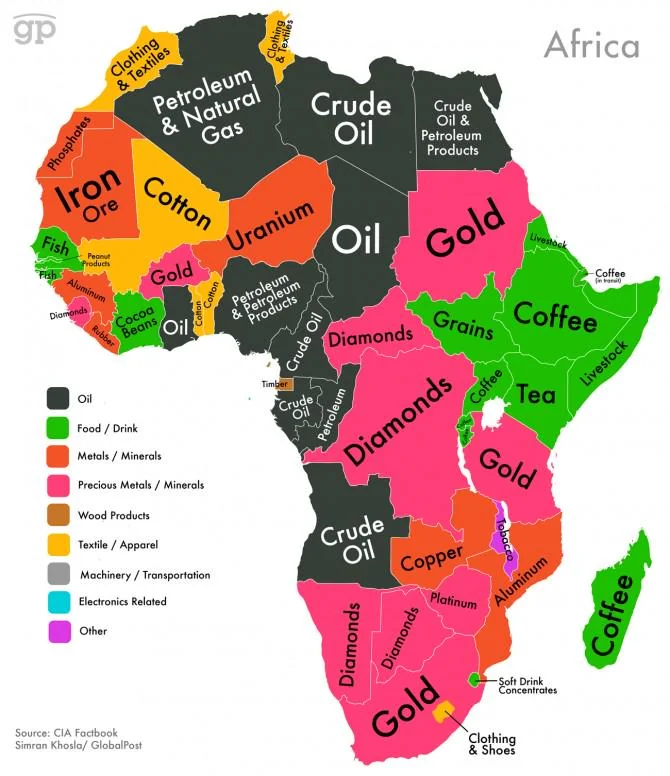
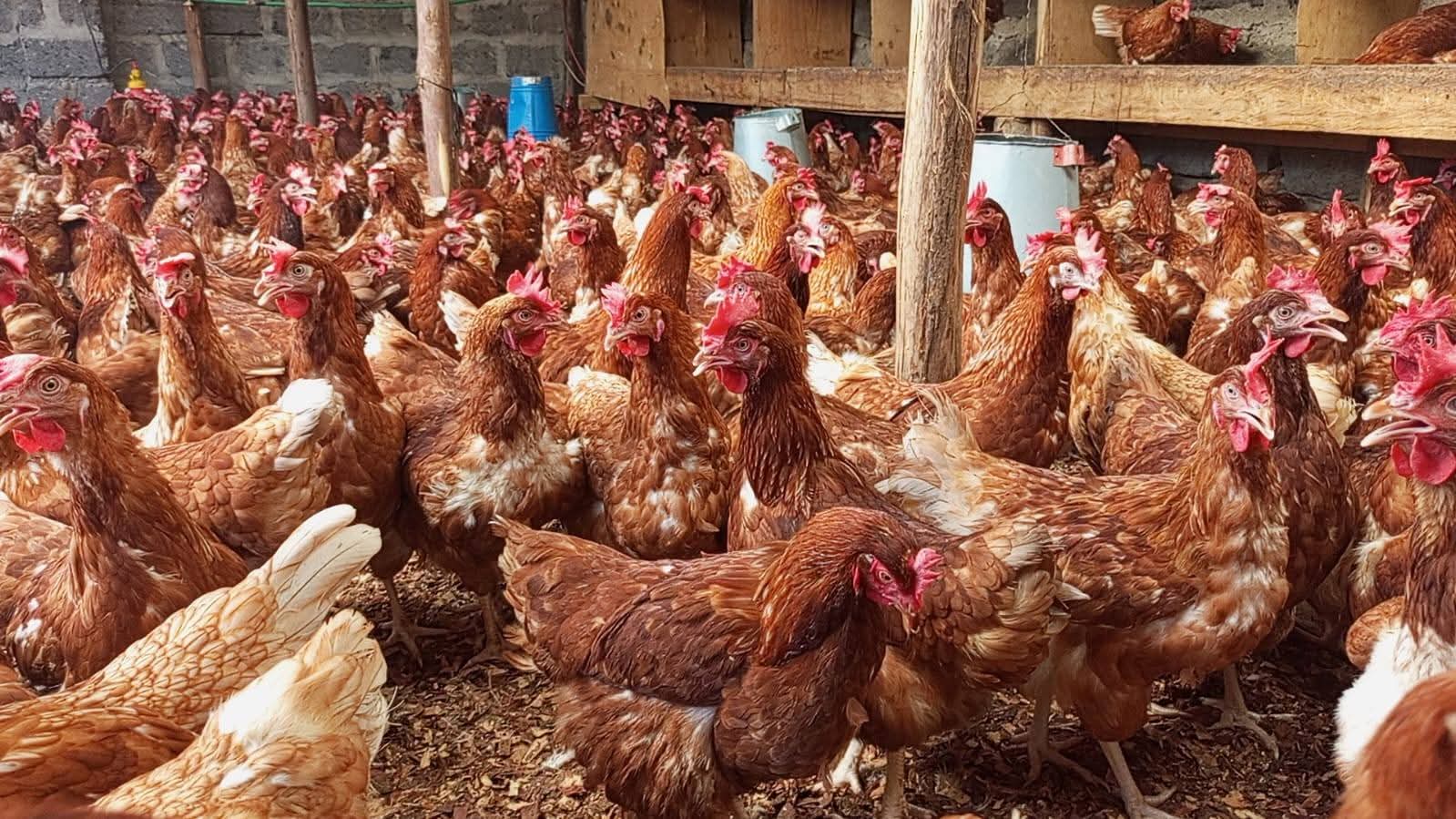
The scale of the contradiction is stark. Africa possesses approximately 60 percent of the world's uncultivated arable land and 60 percent of global cobalt reserves, yet remains a net importer of food, and close to half of the continent's population faces food insecurity. The continent is home to more than 1.5 billion people, yet fewer than 20 percent own a smartphone, and only about 2 percent of African data is stored locally. The continent is rich in resources, but poor in capturing the value those resources generate.
To understand why, we must examine a complex web of historical exploitation, governance failures, elite capture, institutional weakness and structural economic distortions that have kept Africa's wealth out of the hands of its people.

The Resource Curse: A Paradox of Plenty
The concept of the "resource curse" has been central to understanding why resource-rich countries often underperform economically. The term was popularised by economist Richard Auty in the early 1990s and reinforced by empirical studies that identified a negative relationship between resource dependence and long-term economic growth.
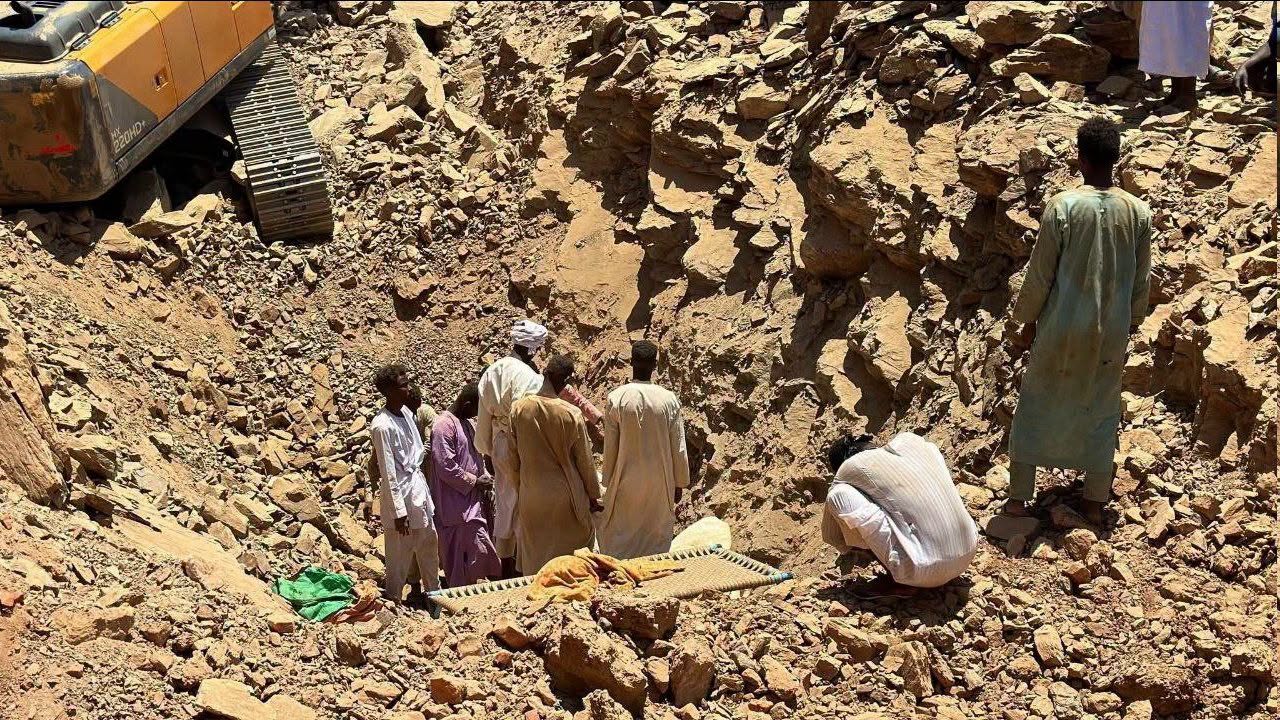
Resource-rich African states often exhibit a pattern of macroeconomic instability, currency devaluation and limited industrialisation, while mining communities frequently remain impoverished. As one analyst put it, the continent is "trapped in a paradox: rich in resources, yet poor in value capture."
The mechanisms through which resource abundance hinders development are well documented. These include exposure to volatile commodity prices, the emergence of rent-seeking behaviour, and the weakening of institutional quality. When resource revenues are concentrated, political elites may have limited incentives to strengthen institutions, promote transparency or pursue inclusive development strategies.
“My generation does not understand this: how can Africa, which has so much wealth, become the poorest continent in the world today and why do African leaders travel the world to beg?”
- Ibrahim Traore (Military Leader of Burkina Faso 🇧🇫)
The Colonial Legacy: Extraction Without Development
The roots of Africa's resource paradox lie deep in the colonial period. For centuries, foreign powers viewed the continent not as a partner but as a prize. Colonial powers divided territories with little regard for tribal, cultural or historical realities. Infrastructure systems—railways and ports—were primarily oriented toward the export of raw materials rather than fostering domestic industrialisation or regional economic integration.
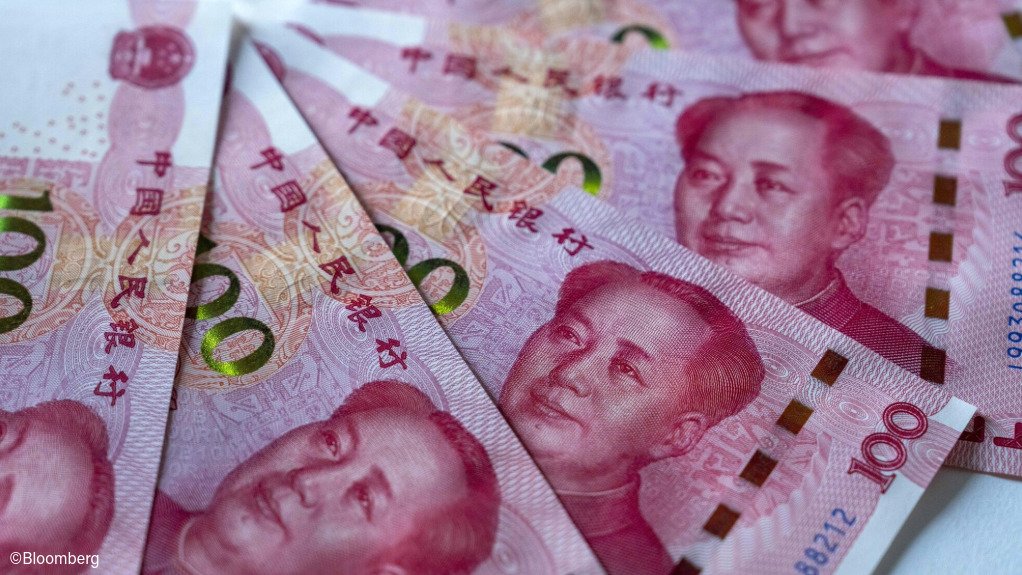
Even after independence, many nations found themselves caught in new forms of exploitation. France's management of the CFA franc zone has been a particular focus of criticism. Under the arrangement, former French colonies in West and Central Africa were required to deposit up to 50 percent of their foreign reserves in the French Treasury, effectively depriving them of the benefits of their natural resource export earnings. The French Treasury offered negative interest rates on these reserves, meaning CFA countries were effectively paying France to hold their money, while their own reserves could not be used as collateral for credit.
As Walter Rodney observed in his seminal work, colonised Africans were "pushed around into positions which suited European interests and which were damaging to the African continent and its peoples." This pattern of extraction has continued in various forms, with foreign corporations often securing minerals at favourable terms while local communities see little improvement in their daily lives.
The Governance Problem: Institutions That Fail
The quality of institutions is perhaps the most critical factor in determining whether resource wealth translates into development or dysfunction. Research has shown that strong institutional quality can systematically mitigate the negative outcomes associated with resource dependence.
However, many resource-rich African countries struggle with weak institutions, corruption and elite capture. The rentier effect—whereby governments derive substantial revenue from natural resource rents rather than taxation—weakens accountability mechanisms. When governments do not need to tax citizens, they have less incentive to respond to their needs.
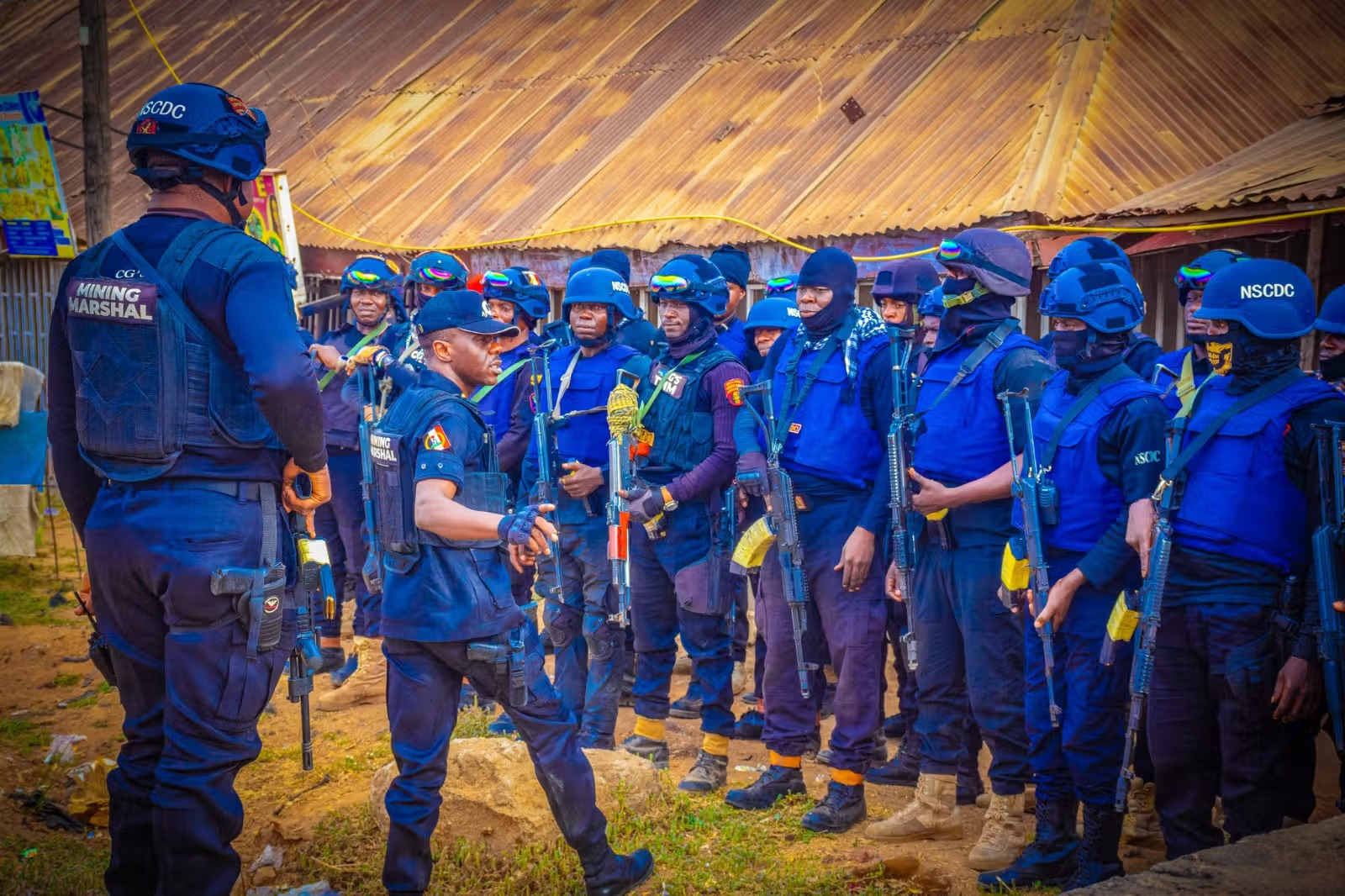
This creates a vicious cycle. Weak institutions fail to regulate the extractive sector effectively, leading to environmental degradation, displacement of communities and loss of revenue through corruption and tax avoidance. The resulting lack of development fuels public discontent, which can manifest in political instability or conflict.
Elite Capture: The Rise of Oligarchic Patterns
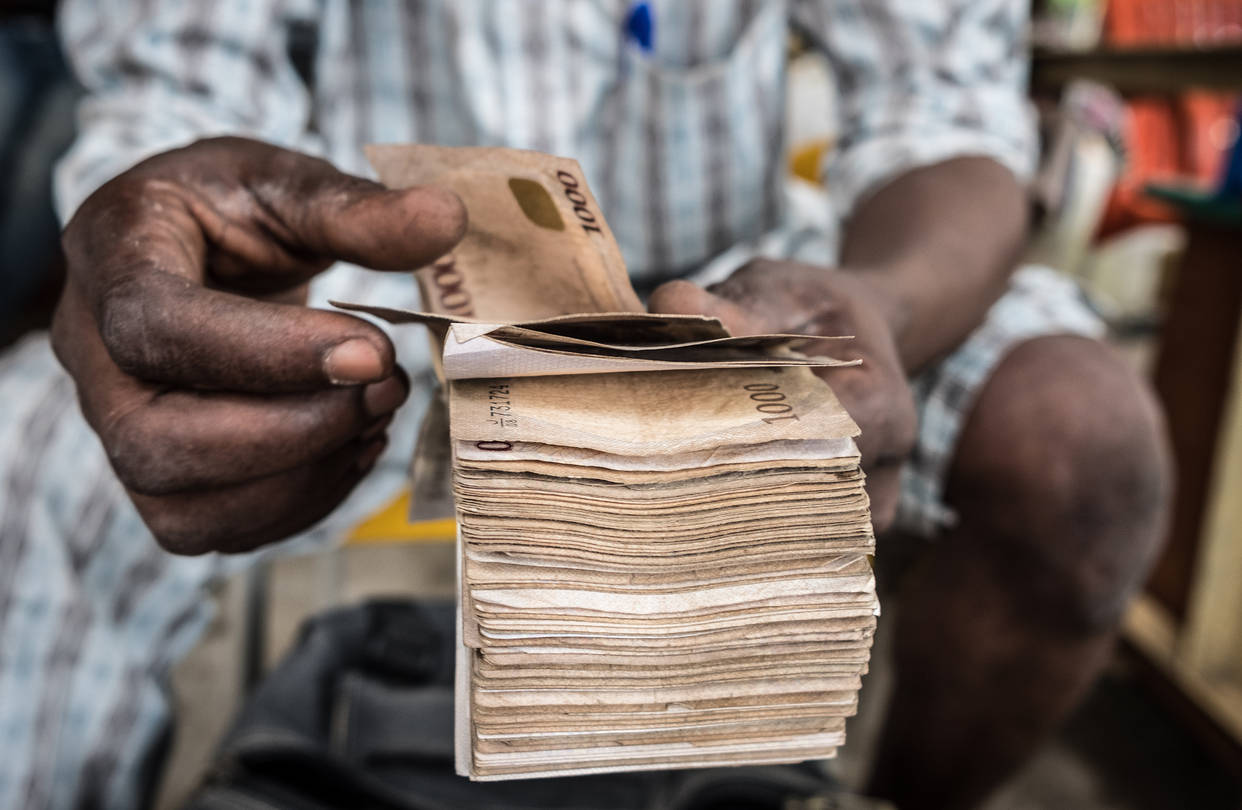
The concentration of wealth among a narrow elite is another key driver of the resource paradox. Africa is home to 23 billionaires whose combined wealth has soared by 56 percent over the past five years, reaching $112.6 billion. According to Oxfam, just four of Africa's richest billionaires hold a combined wealth of $57.4 billion—more than the total wealth of approximately 750 million Africans, roughly half of the continent's population.
Nigeria exemplifies this pattern. The country's five wealthiest individuals, dominating sectors such as oil and gas, banking, telecommunications and real estate, have amassed a combined fortune of nearly $30 billion. Meanwhile, more than 112 million Nigerians, nearly half the population, live in poverty.
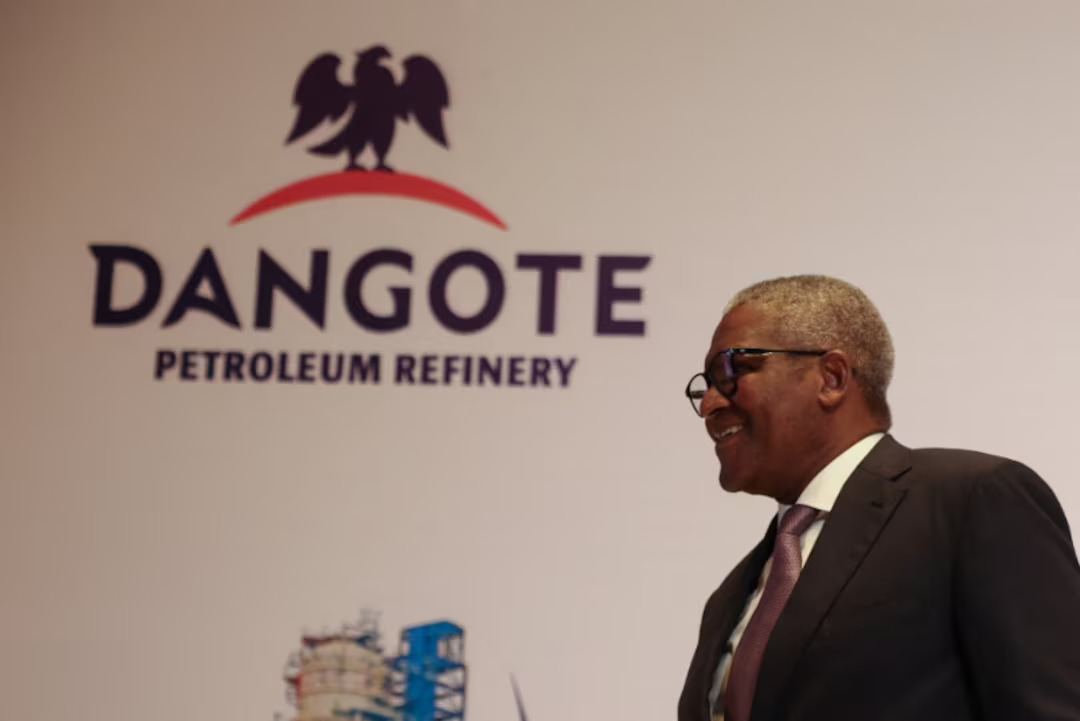
The mechanisms of elite capture often involve close relationships between business and political power. In Nigeria, for example, Dangote Cement reportedly paid an effective tax rate of less than 1 percent on profits of approximately 1 trillion naira between 2010 and 2015. In South Africa, Black Economic Empowerment policies have been criticised for benefiting a narrow elite rather than the broader population. The dysfunctional system that has enabled these patterns is not unique to any one country.
Inequality: The Unaddressed Crisis
Inequality is the thread that connects these various dimensions of the resource paradox. The richest 5 percent of Africans now control nearly $4 trillion in wealth, more than double the combined assets of the remaining 95 percent. One in five Africans lives on less than $2.15 a day.
This inequality is not inevitable. Seychelles has reduced inequality significantly since 2000, with the income share of its poorest 50 percent growing by 76 percent while the richest 1 percent lost two-thirds of their share. The country also offers universal healthcare and free education. Botswana has demonstrated that strong institutions and diversified economic strategies can mitigate the risks of resource dependence.
The African Union has set an ambitious target to reduce inequality by 15 percent over the next decade. By taxing Africa's richest an extra 10 percentage points on income and 1 percent on wealth, African governments could raise $66 billion annually—enough to fund free, quality education across the continent and provide universal electricity access to homes and businesses, with $2 billion to spare.
Structural Distortions: Dutch Disease and Dependency
Resource abundance can also create macroeconomic distortions. The phenomenon of "Dutch Disease" describes how a sudden resource boom can appreciate the national currency, undermining non-resource export sectors and deepening economic dependency. When resource revenues flow in, the local currency strengthens, making other exports less competitive and discouraging diversification.
This dynamic has been evident across Africa. Countries that should be diversifying their economies instead become increasingly dependent on a single resource or a narrow range of commodities. When prices fall, the result is economic crisis, currency devaluation and social unrest.
The Role of the African Continental Free Trade Area
The African Continental Free Trade Area represents a significant opportunity to address these structural challenges. By removing tariff and non-tariff barriers, harmonising mining regulations and facilitating trade in processed minerals rather than raw materials, the AfCFTA could enable African nations to capture more value from their resources.
Through the AfCFTA, Africa must develop intra-African mineral value chains and strengthen cross-border collaboration. This would allow the continent to process, refine and trade minerals within Africa rather than exporting raw materials abroad. The AfCFTA has the potential to unlock $450 billion in economic gains by 2035 and fundamentally reshape the mining sector.
Rethinking Africa's Resource Narrative
There is a growing recognition that Africa's approach to its resources must change fundamentally. The continent's greatest challenge is ensuring that its immense wealth ultimately benefits its own people rather than primarily enriching foreign governments, multinational corporations or political elites.
The path forward requires strengthening institutions, protecting property rights, investing in education and infrastructure, and ensuring that resource revenues are transparently managed and equitably distributed. It requires moving beyond extraction to value addition, beyond dependency to ownership, and beyond inequality to shared prosperity.
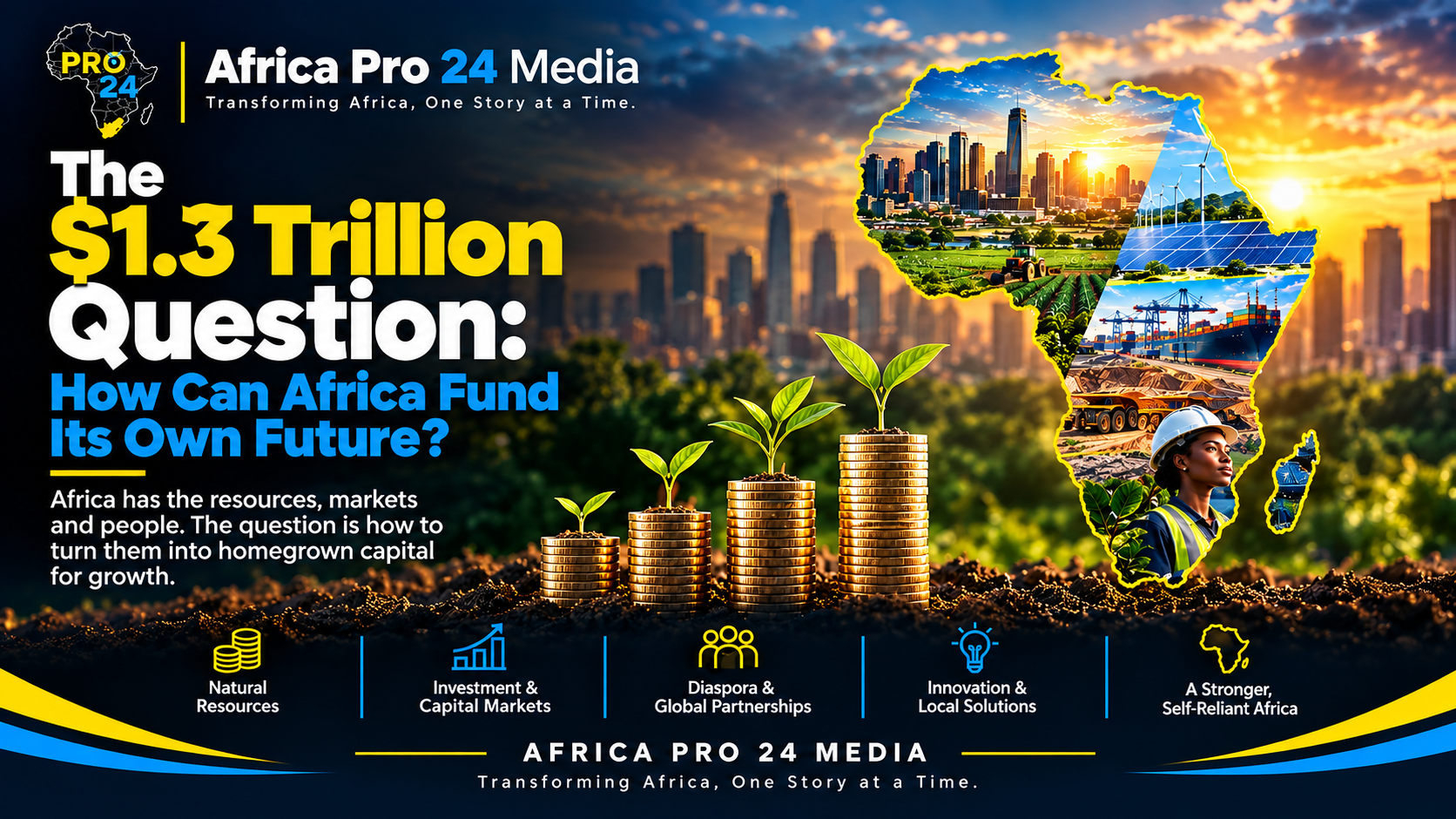
Africa is rich in resources. The question is whether the continent can finally turn that wealth into lasting development for its people.










Comments (0)
No comments yet. Be the first to share your thoughts!